Influence Profile
No genre data available
Genre information will appear here once available
Trending in Pt. Hariprasad Chaurasia’s World
Latest Album
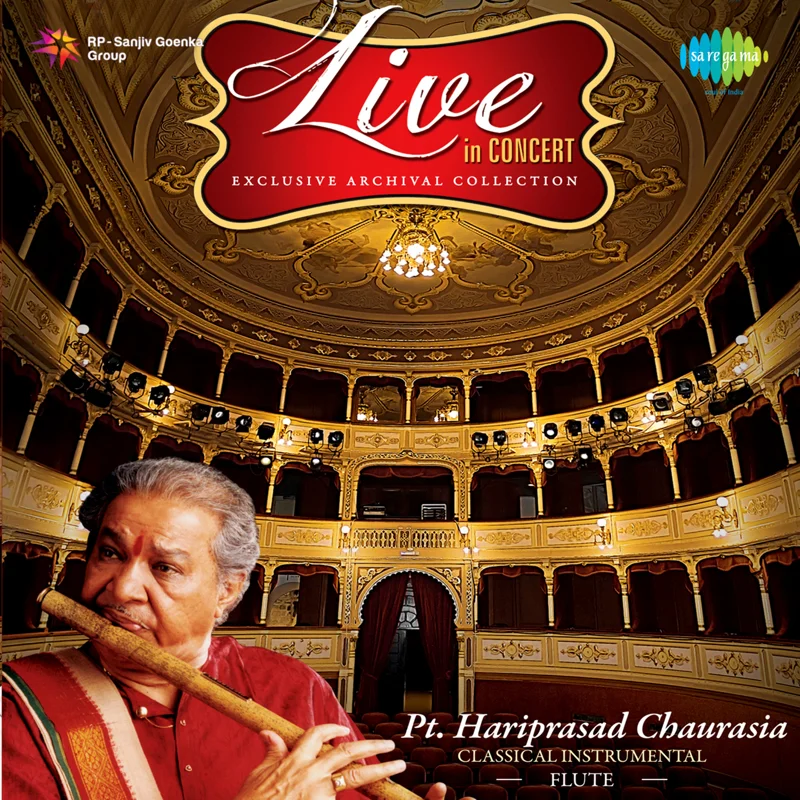
Live in Concert - Exclusive Archival Collection - Pt. Hariprasad Chaurasia
Released Feb 29, 2012
Trending Globally
Album
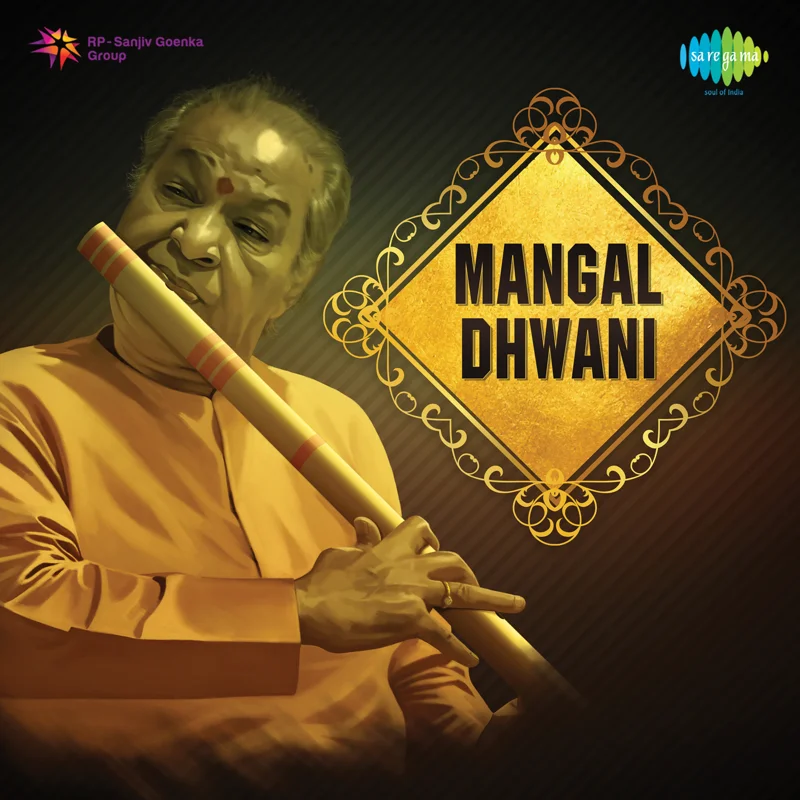
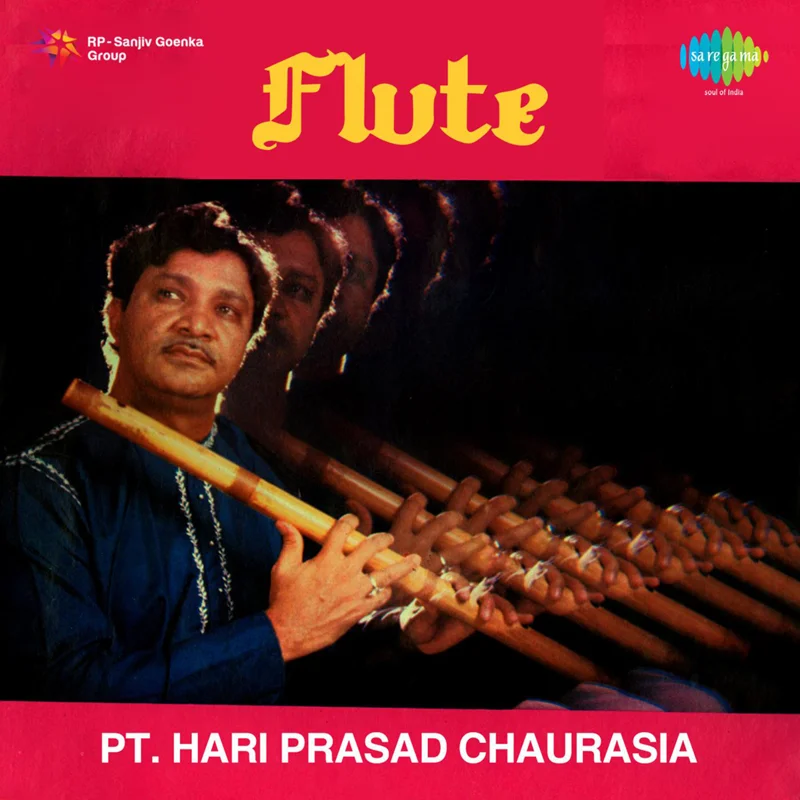

EP
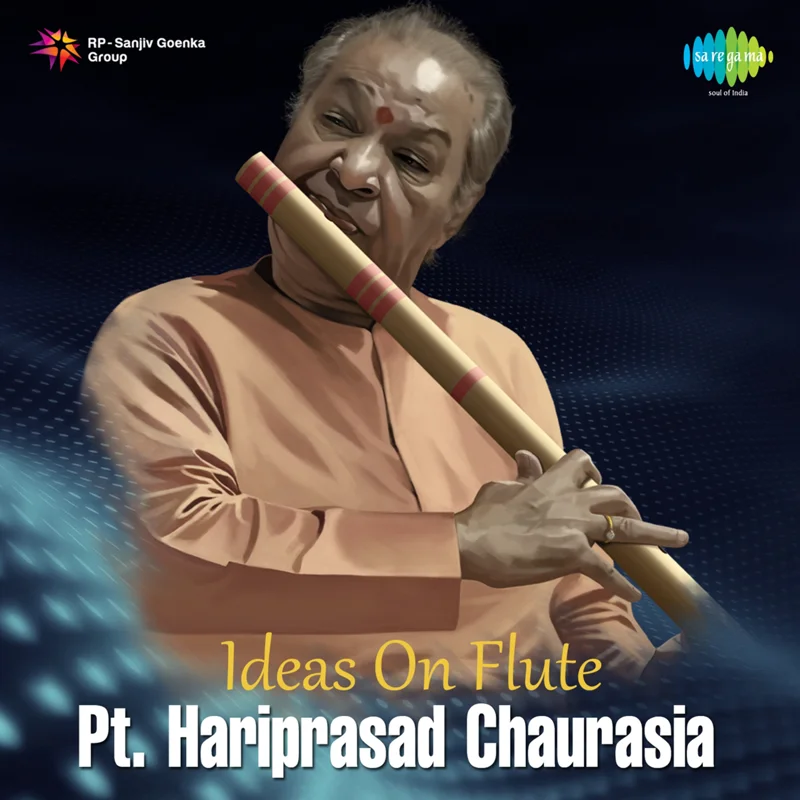

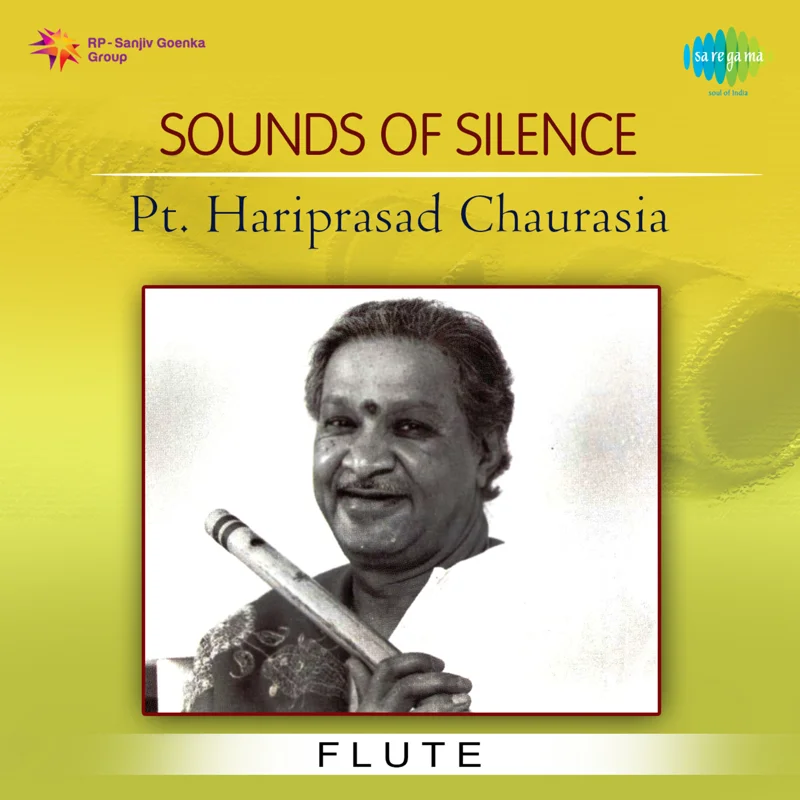

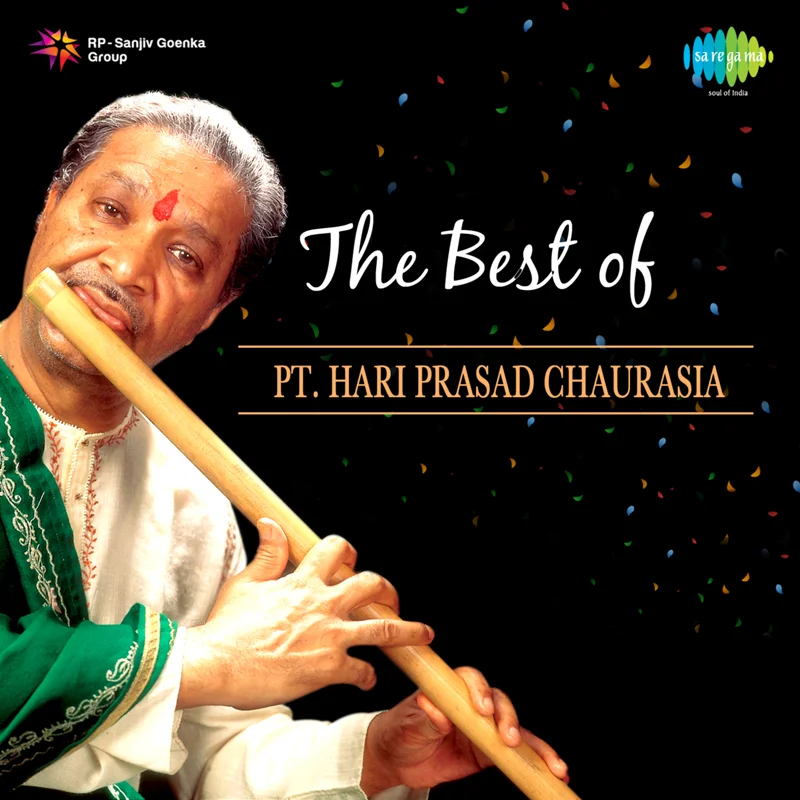
Story
Quick Facts
Born
1938
1938
From
India
India
Journey
Pandit Hariprasad Chaurasia, born in Allahabad, present-day Prayagraj, Uttar Pradesh, is one of India's foremost Hindustani classical flautists and a major figure in the development of the bansuri as a concert instrument. Unlike many musicians of his generation, he was not raised in a musical family. His father was a wrestler and expected him to follow that path, but Chaurasia developed an early attraction to music and began studying classical singing with his neighbour, Pandit Rajaram, at the age of 15.
Chaurasia entered professional broadcasting in 1957 as a staff artiste with All India Radio in Cuttack, working as both performer and composer. His transfer to Mumbai in 1960 brought him into contact with a wider circle of musicians and composers. A particularly important stage in his development came through his association with Annapurna Devi, the distinguished surbahar player and daughter of Allauddin Khan. Her guidance deepened his understanding of musical structure, discipline and interpretation, helping him develop an individual approach to Hindustani flute performance.
Through sustained experimentation, Chaurasia enlarged the expressive vocabulary of the bansuri. His command of breath, phrasing and raga development gave the bamboo flute a powerful presence in the classical concert tradition. His work also crossed into recordings, Indian cinema and international collaborations. With santoor maestro Pandit Shivkumar Sharma, he formed the celebrated composing partnership Shiv-Hari. Their work included film scores for "Silsila," "Chandni," "Lamhe" and "Darr," while their earlier collaborative recording "Call of the Valley" became an important landmark in Indian instrumental music.
He has collaborated with internationally respected musicians and served as Artistic Director of the Indian Music Department at the Rotterdam Music Conservatory in the Netherlands. His commitment to education is equally significant. He established Vrindaban Gurukul institutions in Mumbai and Bhubaneswar, continuing the traditional guru-shishya system and preparing younger generations of bansuri musicians.
Chaurasia's contribution has received some of India's highest cultural honours. He received the Sangeet Natak Akademi Award, the Padma Bhushan in 1992 and the Padma Vibhushan in 2000, followed by the Sangeet Natak Akademi Fellowship in 2012. International recognition has included France's Ordre des Arts et des Lettres and an honorary distinction from the Netherlands.
More than a celebrated performer, Hariprasad Chaurasia has become an influential teacher, composer and cultural ambassador. His career demonstrates how rigorous adherence to Hindustani tradition can coexist with experimentation, collaboration and global engagement. Through his performances, compositions, recordings and students, he has secured the bansuri a lasting place within India's classical musical heritage and helped carry its possibilities to audiences far beyond the Indian subcontinent.