Trending in Ebenezer Obey’s World

Trending Globally

Album







Story
Quick Facts
Born
1942
1942
From
Nigeria
Nigeria
Journey
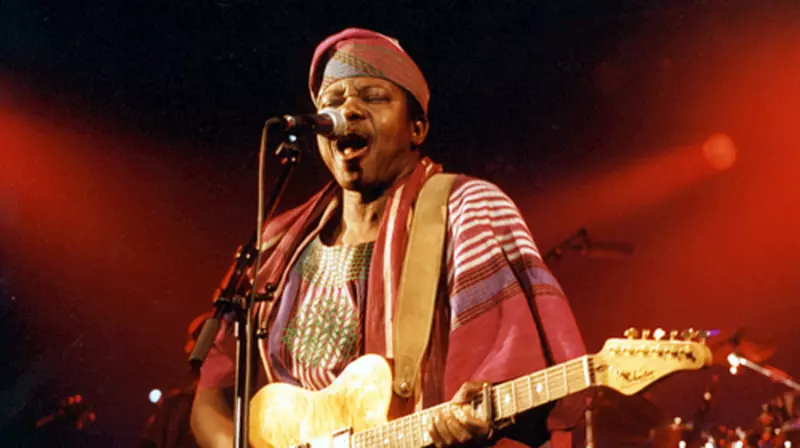
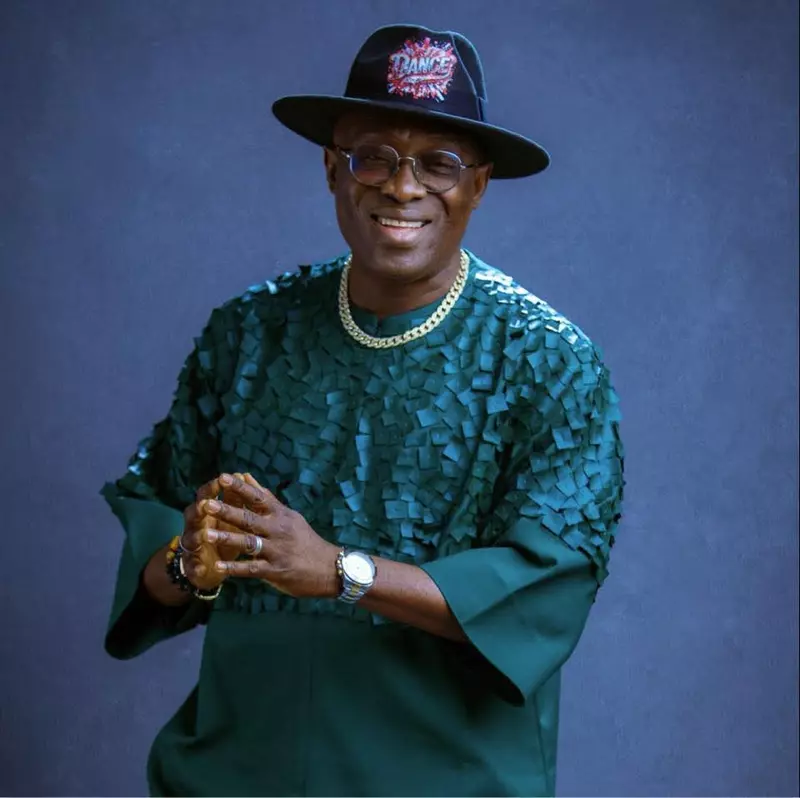
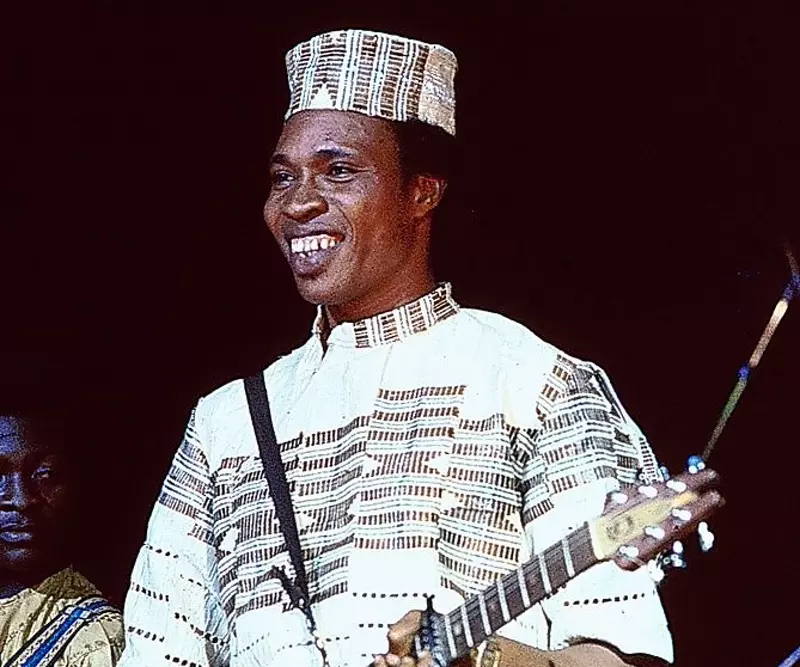
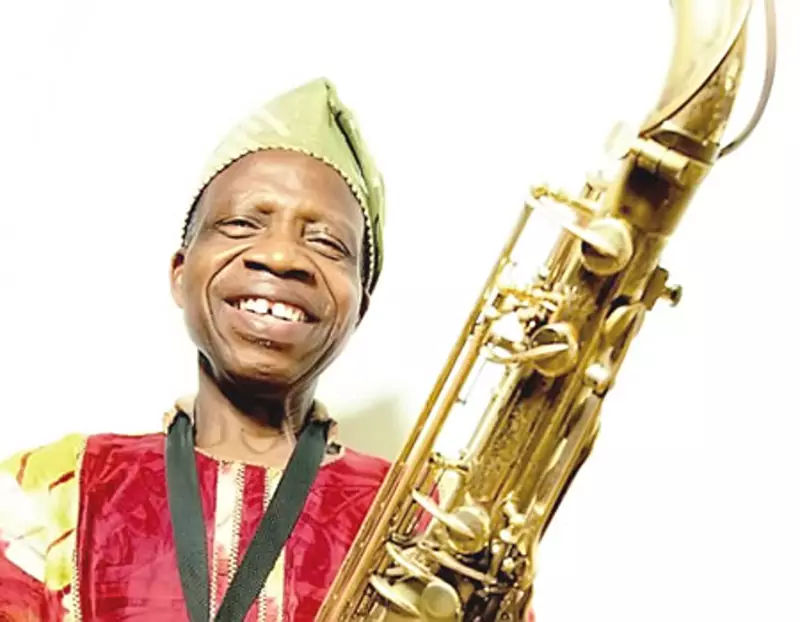
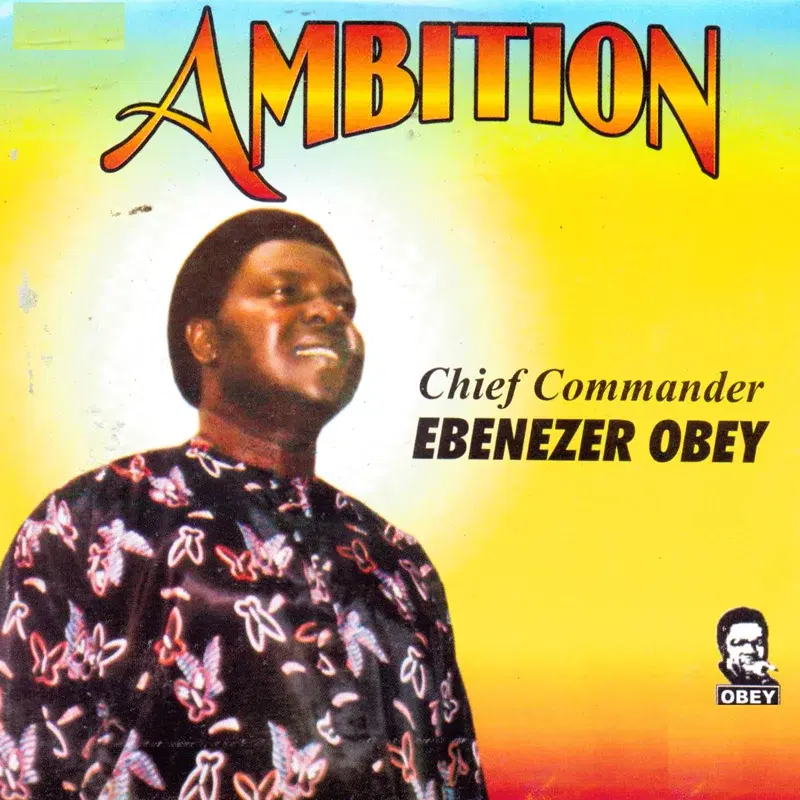
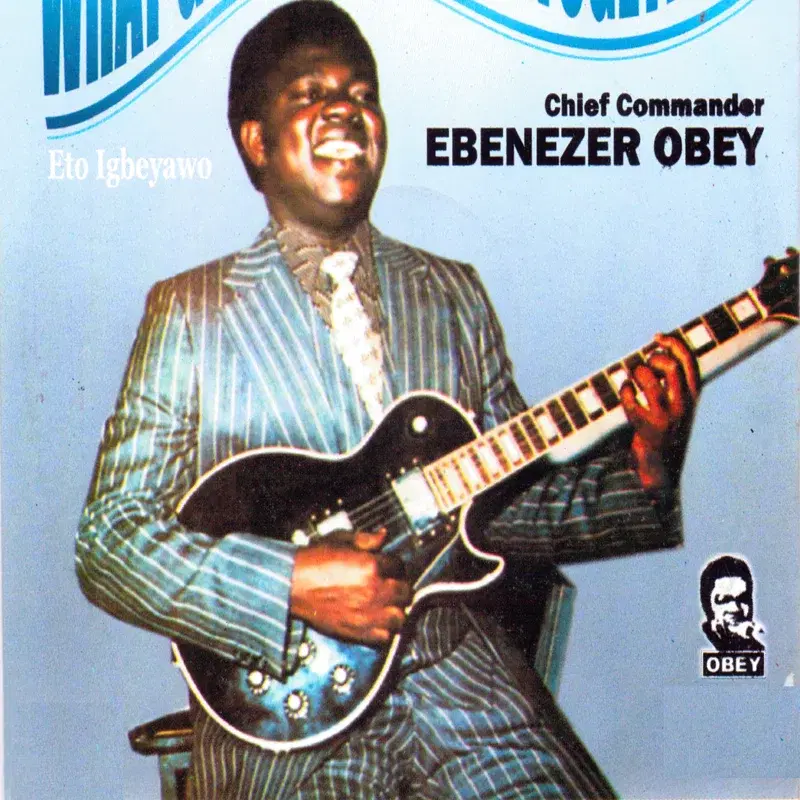
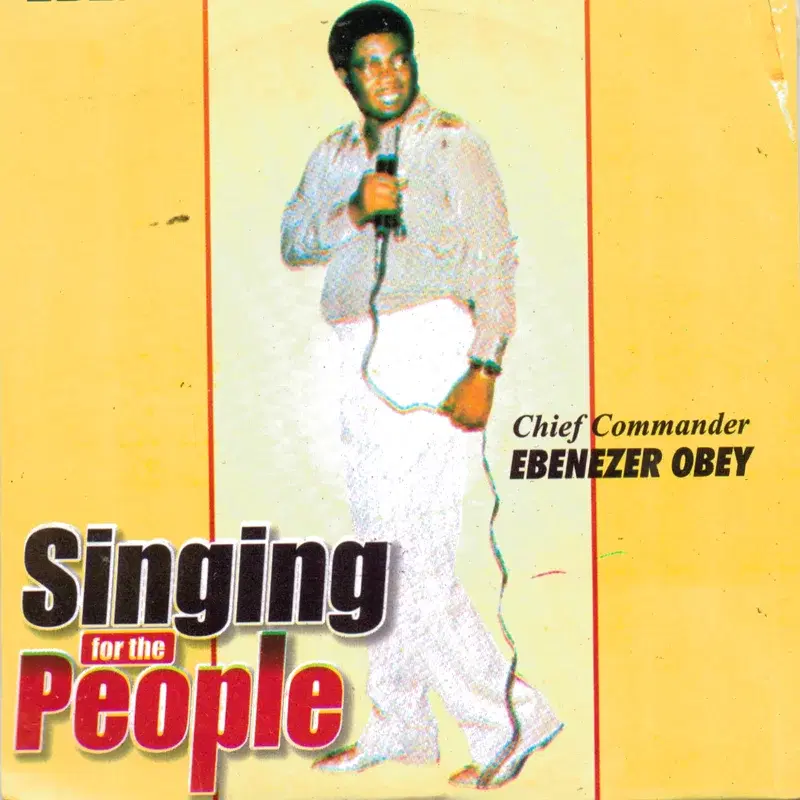
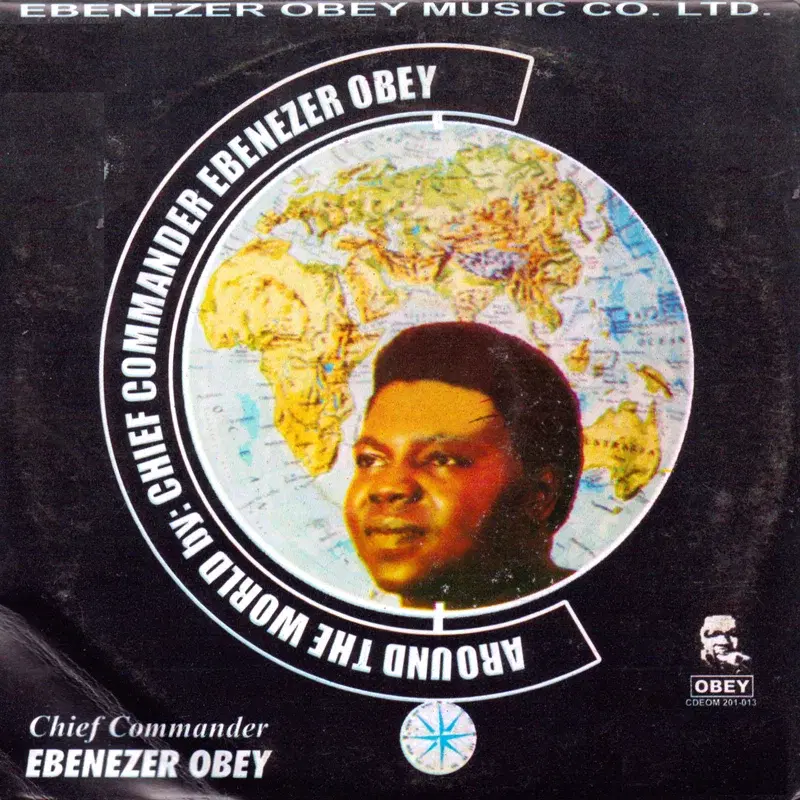
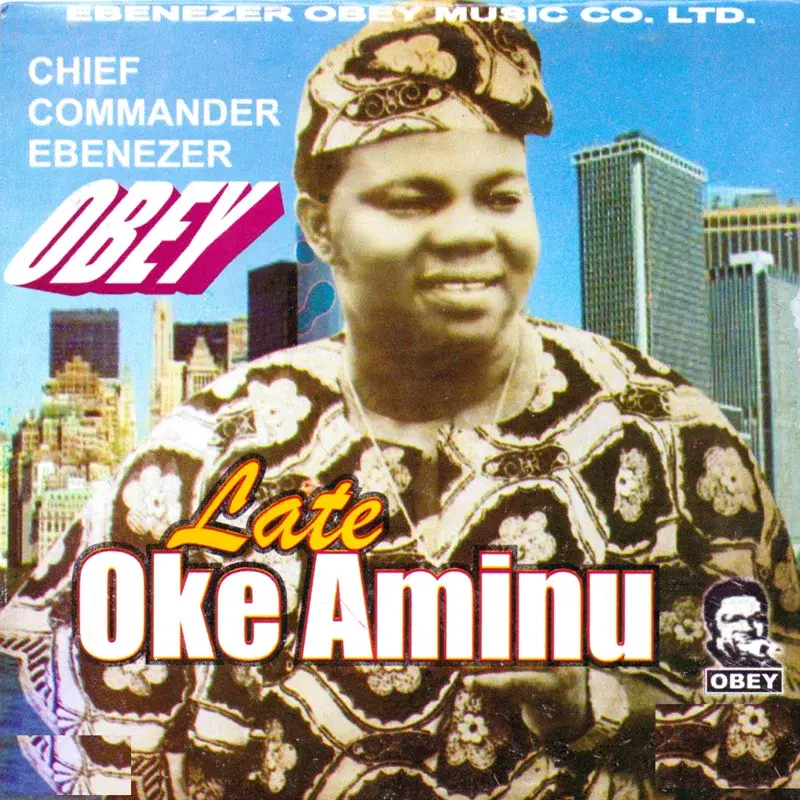
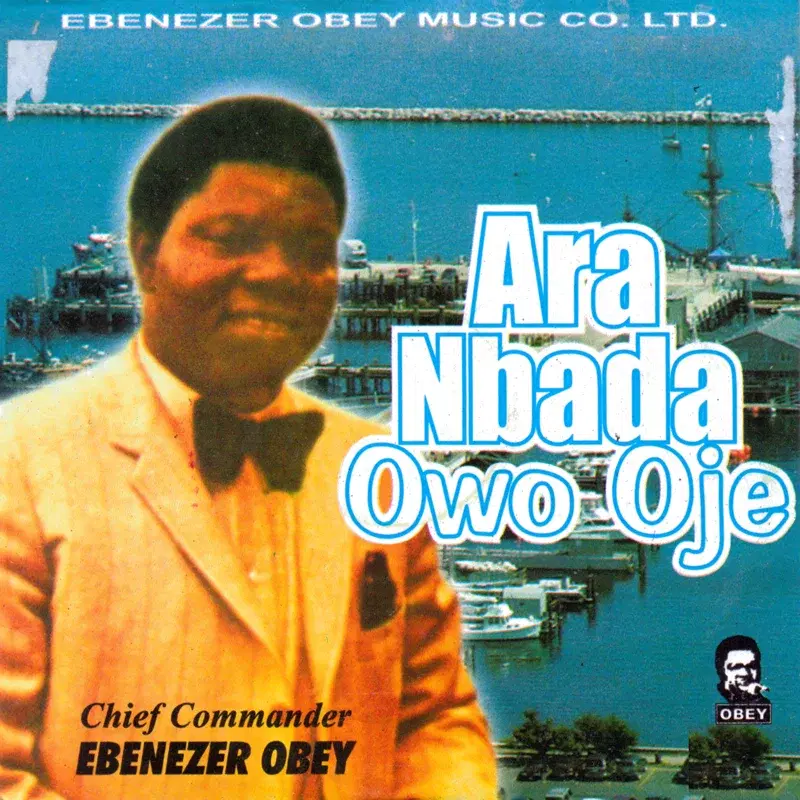
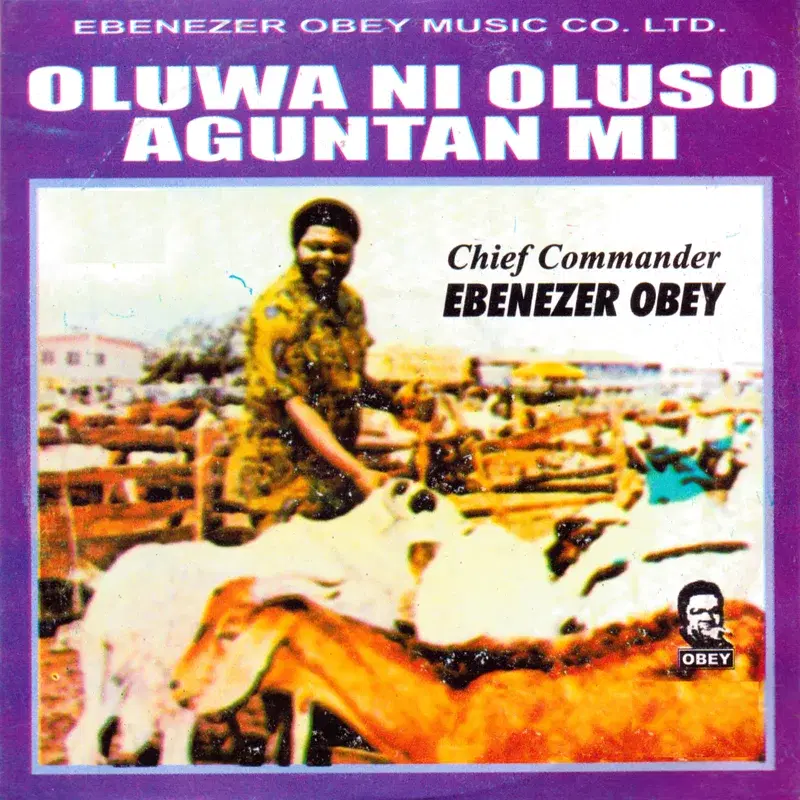
Ebenezer Remilekun Aremu Olasupo Obey-Fabiyi, popularly known as Ebenezer Obey, occupies a singular position in Nigerian music as a composer, guitarist, vocalist, bandleader, and evangelist whose career helped redefine the artistic possibilities of jùjú. Emerging during a period when the genre was evolving beyond its traditional framework, he demonstrated that indigenous Yoruba music could accommodate larger ensembles, intricate instrumental arrangements, and expansive lyrical narratives without losing its cultural foundation. Across more than sixty years of recording and performance, his work has remained rooted in Yoruba language and philosophy while reaching audiences across Nigeria, West Africa, and the global Yoruba diaspora.
Obey was born in Idogo, Ogun State, where he encountered the customs, oral traditions, and ceremonial music that later became integral to his songwriting. His move to Lagos exposed him to Nigeria's rapidly growing entertainment industry and provided an opportunity to learn the practical demands of professional musicianship under jùjú pioneer Fatai Rolling-Dollar. Rather than treating this experience as an endpoint, Obey used it as the foundation for developing an independent musical identity that balanced respect for tradition with a willingness to reshape the genre's musical vocabulary.
The establishment of 'The International Brothers' in 1964 marked the beginning of that vision. As the ensemble later evolved into 'The Inter-Reformers Band,' Obey expanded the conventional jùjú format through carefully arranged guitar sections, talking drums, drum kits, shekere, and other indigenous percussion instruments. Instead of relying solely on repetitive dance rhythms, his recordings unfolded through gradual musical development, allowing instrumental passages, vocal exchanges, and rhythmic variation to share equal importance. This orchestral approach became closely associated with the Miliki style and distinguished his work from that of many contemporaries.
Equally distinctive was Obey's approach to songwriting. His compositions rarely confined themselves to entertainment alone, drawing instead from Yoruba proverbs, historical references, praise poetry, and observations about family life, leadership, prosperity, humility, and spiritual responsibility. These elements gave his catalogue a documentary quality, preserving cultural expressions while addressing issues familiar to everyday listeners. The combination of philosophical reflection and accessible musicianship allowed his recordings to remain relevant across successive generations rather than becoming tied to a single musical era.
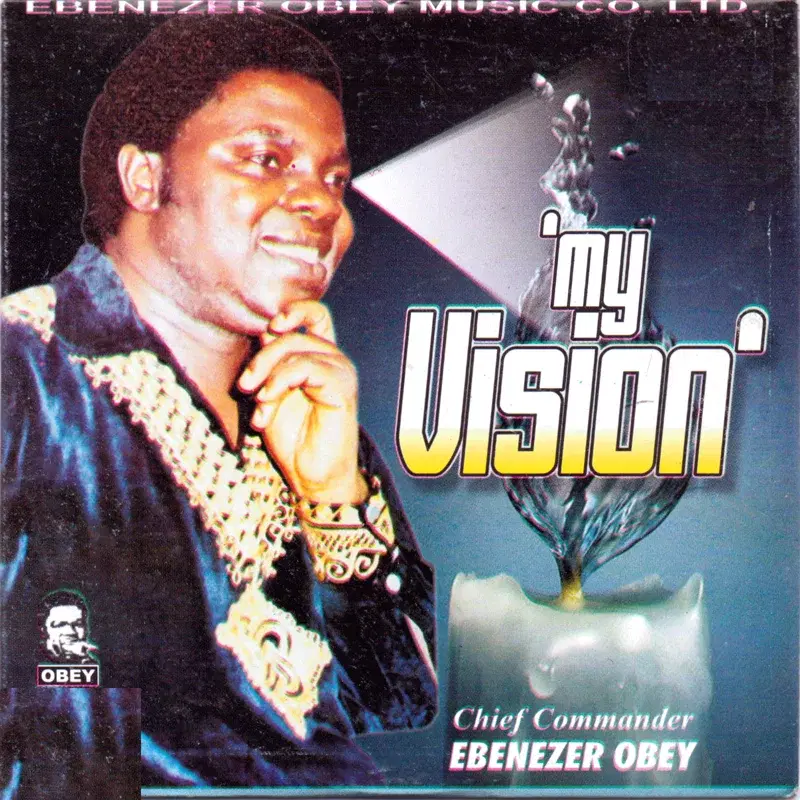
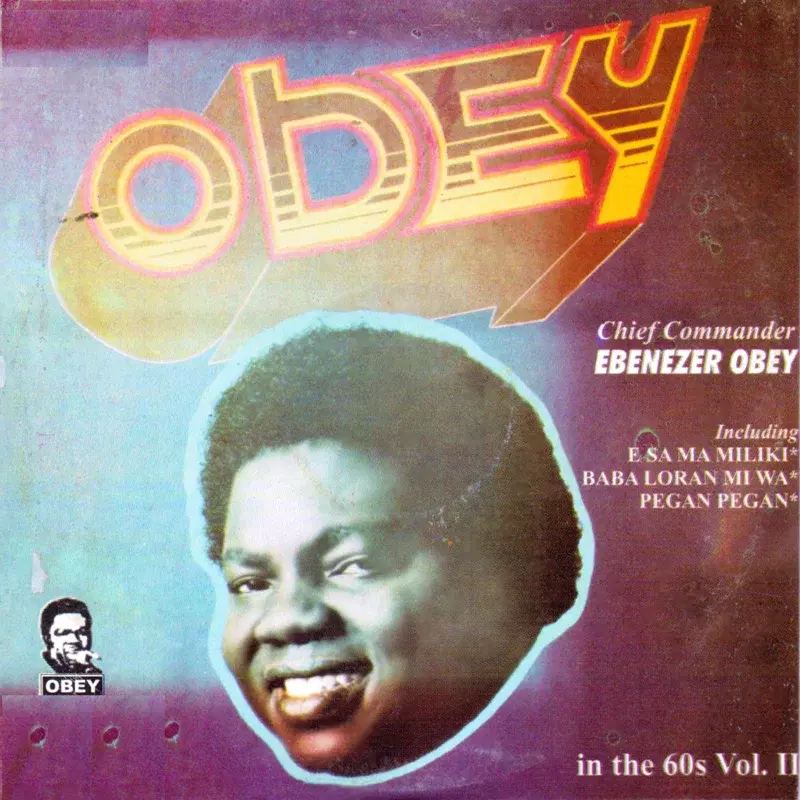
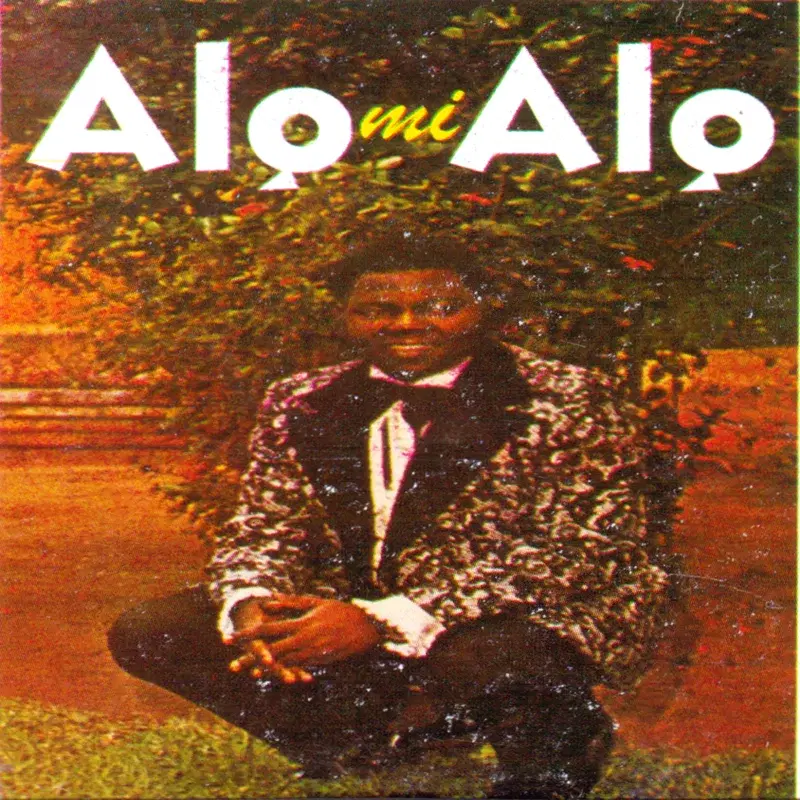
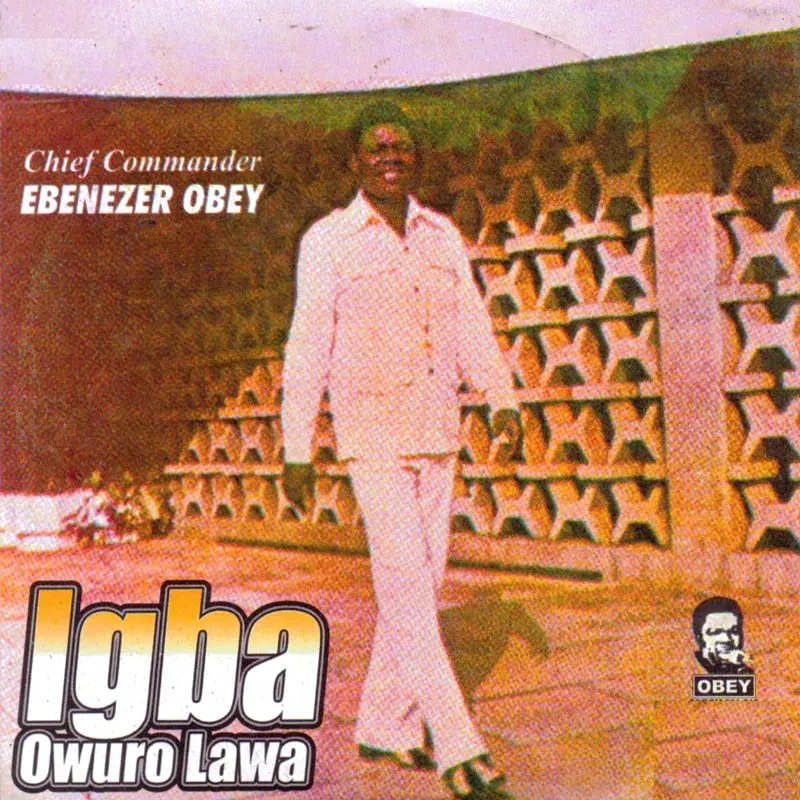
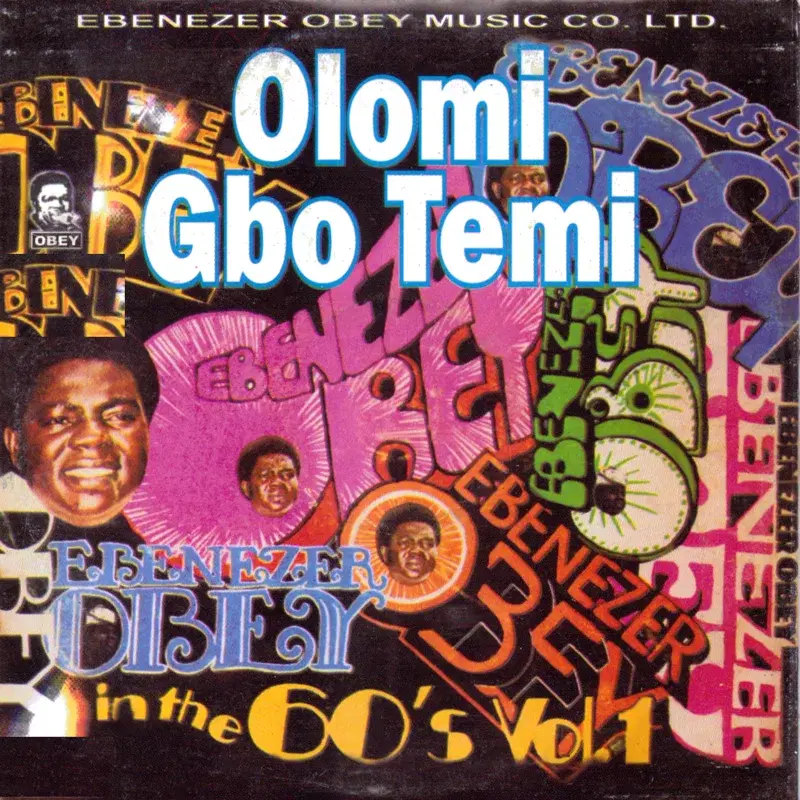
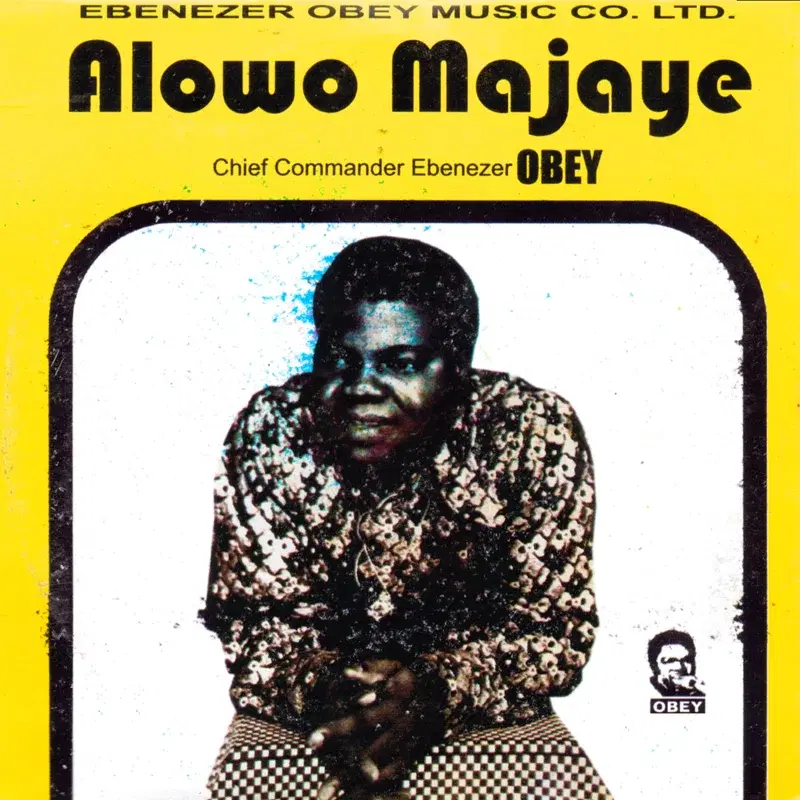
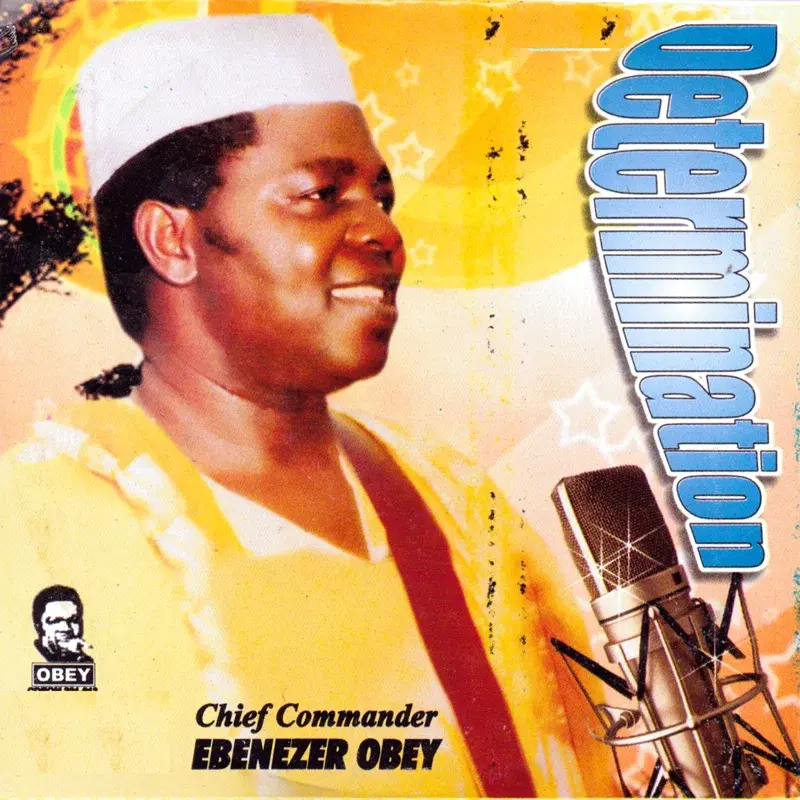
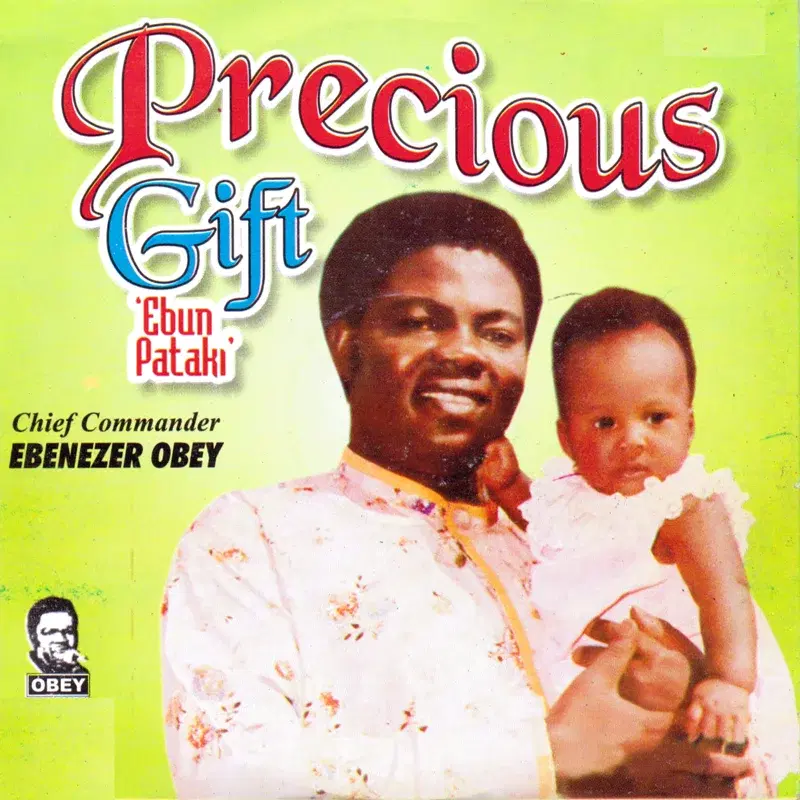
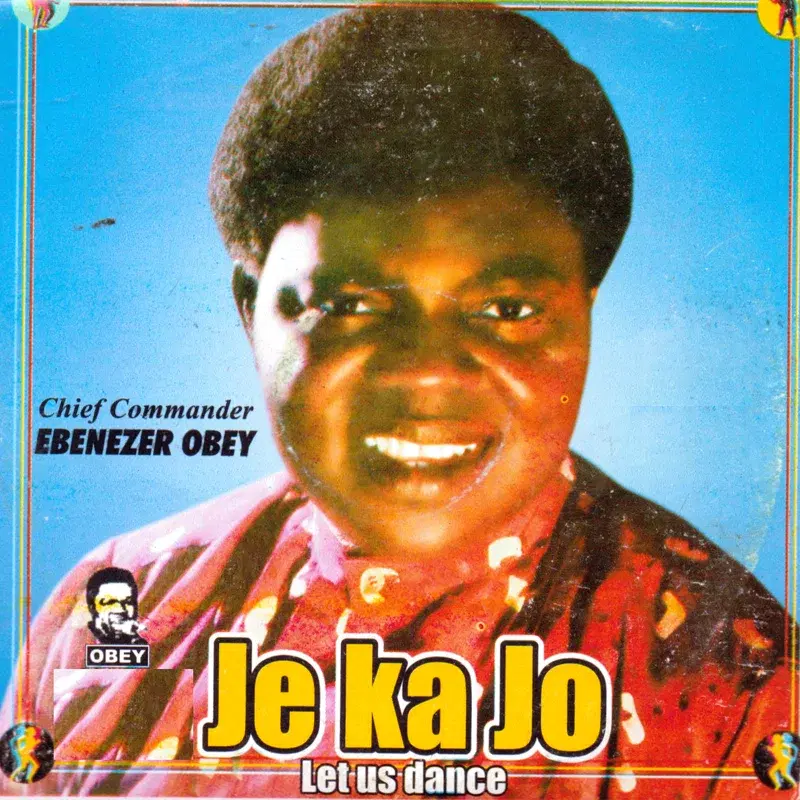
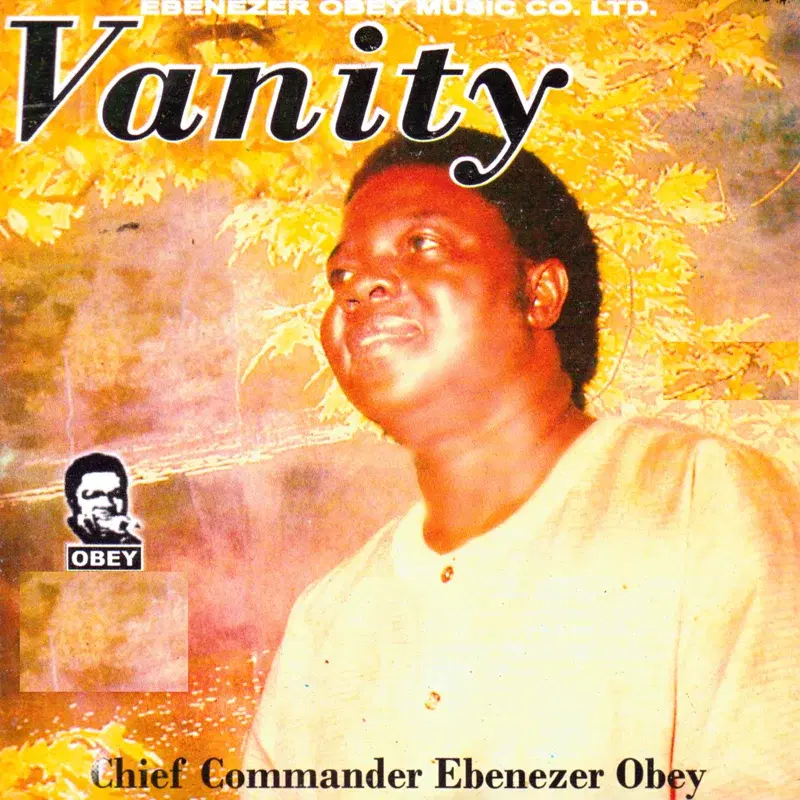
With a discography exceeding one hundred albums, Obey became one of the most prolific recording artists in Nigerian history. Albums including "Olomi Gbo Temi," "Current Affairs," "The Horse, The Man and His Son," "Je Ka Jo," "Board Members," "Vanity," and "Promised Land" illustrate both the breadth of his output and his sustained presence within the country's recording industry. His music continues to accompany celebrations, ceremonies, and community gatherings, reflecting a catalogue that has remained woven into the social and cultural life of Yoruba communities.
During the early 1990s, Obey increasingly devoted his public life to Christian ministry, adopting the role of an evangelist while continuing to compose and perform. The transition represented an extension of themes that had long existed in his repertoire rather than a break with his earlier work, as messages of faith, gratitude, and moral guidance became more explicit within the musical language audiences already associated with him.
More than six decades after launching his career, Ebenezer Obey remains a central figure in the history of African popular music. His enduring contribution lies not simply in the scale of his discography but in the way he broadened jùjú's musical language while safeguarding the traditions from which it emerged. His recordings continue to influence performers, preserve Yoruba cultural heritage, and demonstrate how indigenous musical forms can evolve while retaining their original identity.