Influence Profile
No genre data available
Genre information will appear here once available
Trending in Dr. M. Balamuralikrishna’s World
No discography available.
Story
Quick Facts
Born
1930
1930
From
India
India
Journey
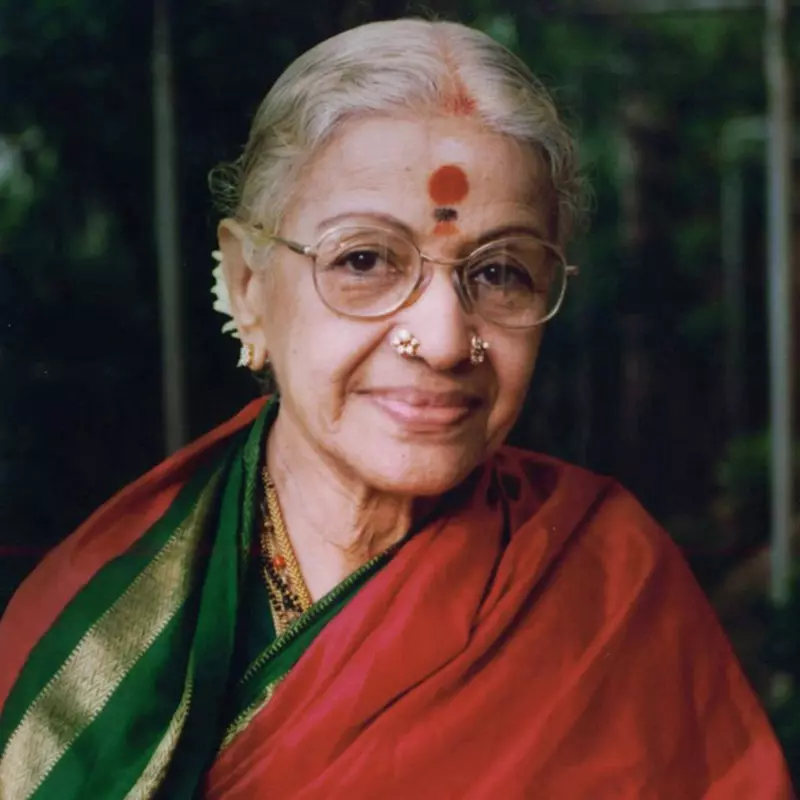
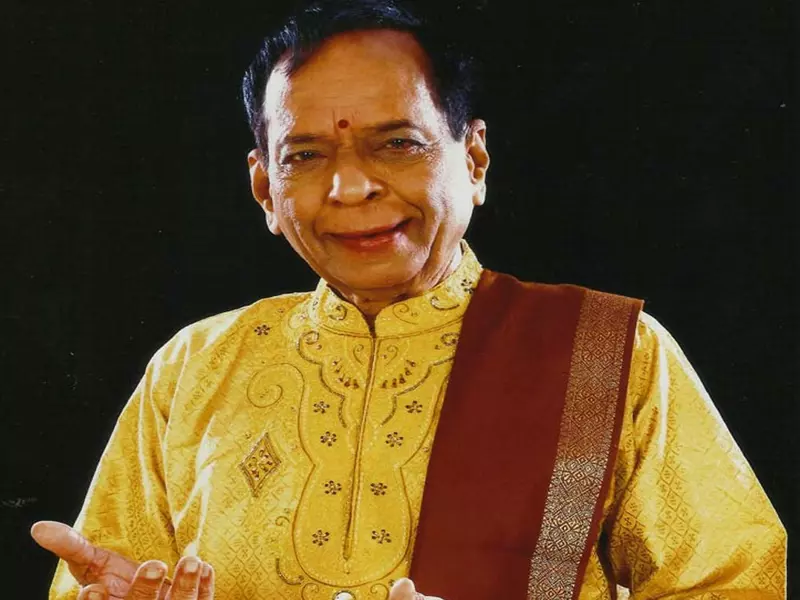
Mangalampalli Balamuralikrishna, professionally known as Dr. M. Balamuralikrishna, stands as a monumental figure who redefined Carnatic music across the twentieth and early twenty-first centuries. As a versatile vocalist, composer, multi-instrumentalist, playback singer, actor, and educator, he enriched the classical tradition with his distinctive performance style and pioneering musical structures. His prolific seven-decade career included thousands of global concerts, all while preserving the sacred Tyagaraja musical lineage. Today, his innovative ragas, extensive compositions, and instructional legacy continue to guide and inspire musicians and scholars worldwide, cementing his status as a permanent pillar of India's classical heritage.
Born into a highly musical household, he was the son of Pattabhiramayya, a flautist and music teacher, and Suryakanthamma, a veena player. After his mother passed away during his infancy, his father raised him and provided his initial musical training before enrolling him under the revered guru Parupalli Ramakrishnayya Pantulu. His extraordinary talent surfaced quickly, leading to his debut full-length public concert at just eight years old during the Tyagaraja Aradhana festival in Vijayawada. It was during this childhood era that Harikatha storyteller Musunuri Suryanarayana Murty Bhagavatar bestowed upon him the prefix "Bala" to honor his genius as a young prodigy.
By the age of fifteen, Balamuralikrishna demonstrated profound creative and technical mastery by composing original kritis for all seventy-two Melakarta ragas. Over his lifetime, his creative output exceeded 400 classical works, spanning varnams, kritis, tillanas, and devotional tracks. He significantly expanded the boundaries of Carnatic music by inventing entirely new ragas, including Mahati, Lavangi, Sarvashri, Sumukham, and Omkari, which remain celebrated and vital additions to the classical repertoire.
While most famous for his resonant vocals, Balamuralikrishna was equally skilled on the violin, viola, mridangam, and kanjira. He is particularly credited with popularizing the viola as a respected solo concert instrument in the Carnatic world, frequently performing instrumental recitals alongside his vocal presentations. His broad instrumental capabilities allowed him to seamlessly collaborate with elite artists from various musical backgrounds while maintaining his unique creative voice.
Beyond the classical stage, Balamuralikrishna successfully bridged classical music and popular culture through a thriving career in South Indian cinema. He worked as both a composer and playback singer across the Telugu, Tamil, Kannada, and Malayalam film industries. Pieces like "Oru Naal Podhuma" from the movie Thiruvilaiyadal endure as legendary milestones in Indian film history. Additionally, he showcased his versatility by appearing as an actor in several motion pictures.
His vast contributions earned him India’s most prestigious civilian honors, including the Padma Shri, Padma Bhushan, and Padma Vibhushan. In 1978, the Madras Music Academy awarded him the ultimate classical accolade, the Sangeetha Kalanidhi title. He also secured National Film Awards for his exceptional playback singing and music direction. Internationally, his cultural impact was recognized by the French government, which named him a Chevalier of the Ordre des Arts et des Lettres. He passed away in Chennai on 22 November 2016 due to age-related geriatric health complications.