Podcast
The Minefield
Episodes — page 2
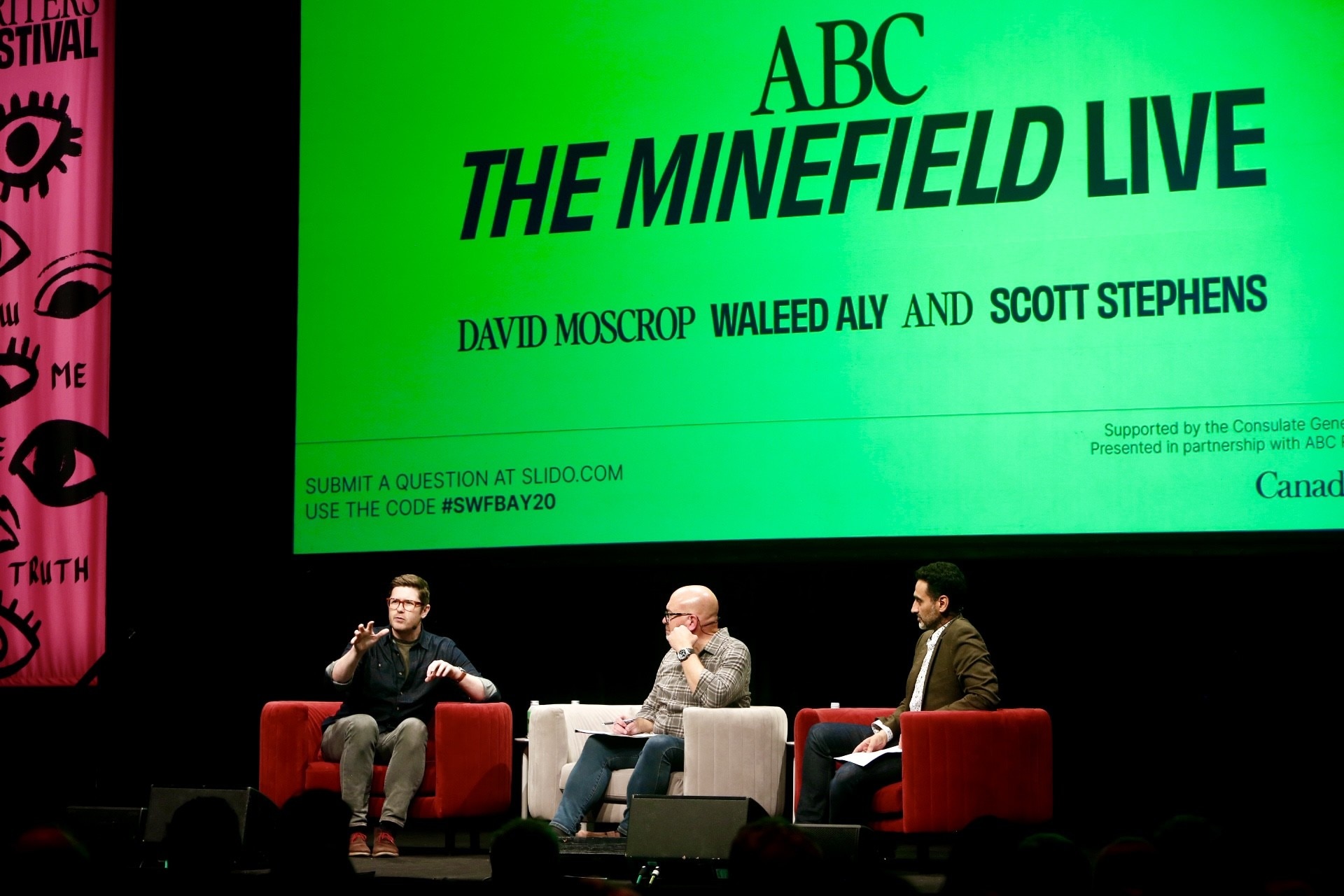 The Problem of Nationalism, with David Moscrop — Live at the Sydney Writers’ Festival
It’s common these days to refer to “the return of nationalism”. But that assumes that nationalism receded for a time, like the tide, and here the world is, now, getting its pants l…
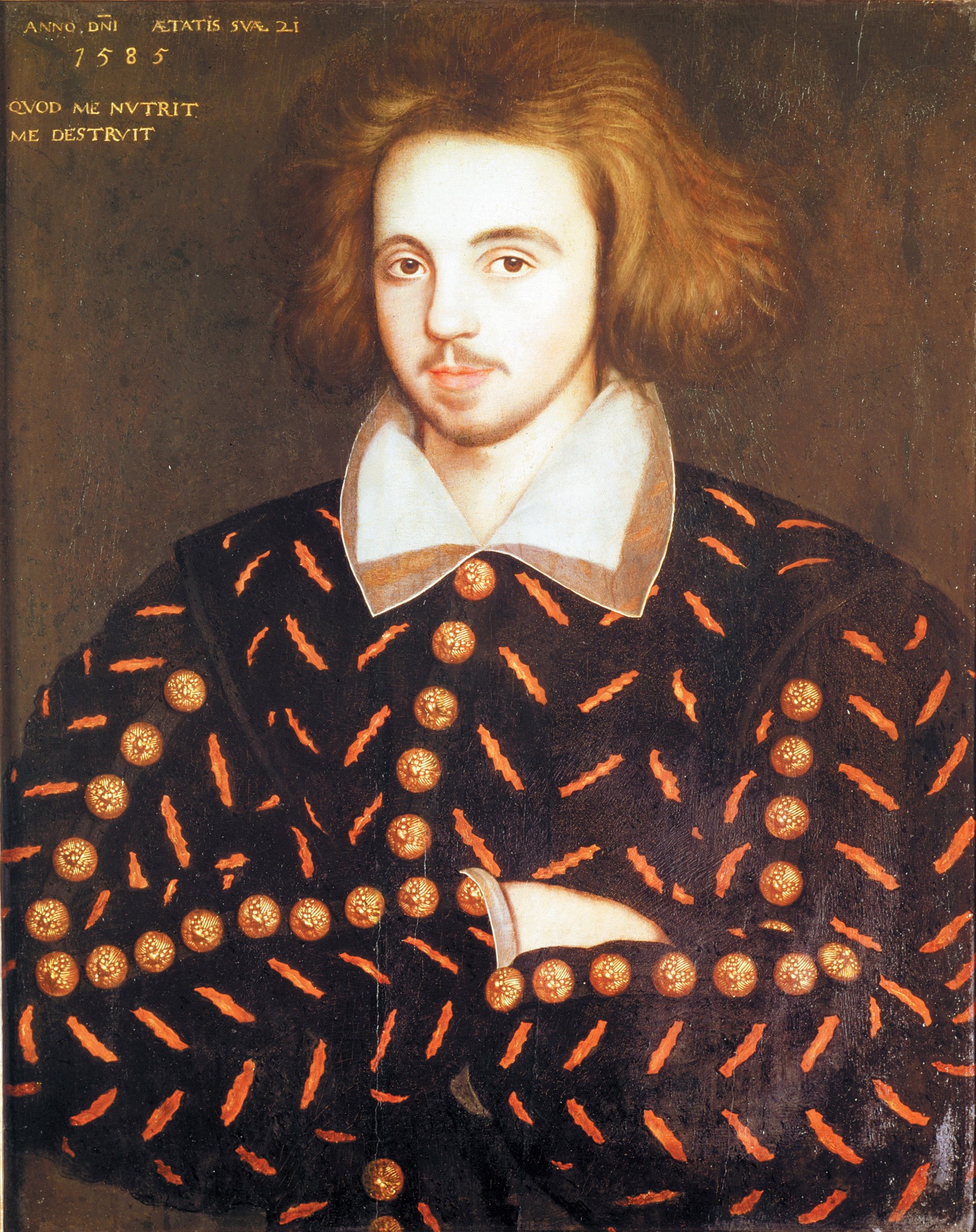 What is the moral of Marlowe’s ‘Doctor Faustus’?
There are four stories that could justifiably be described as foundational to Western culture: the temptation of Eve in the Garden of Eden; Prometheus’s gift of fire to humanity; D…
 Does the budget have a coherent underlying philosophy?
The federal budget is, in many respects, the high point of Australia's political calendar. This federal budget is no exception. The public had been primed for weeks to expect a ser…
 Are ‘reaction videos’ dulling our ability to be genuinely responsive?
One of the by-products of digital technology’s pervasiveness in our lives is its seeming irresistibility. However much we try to remain conscientious objectors, to resist its allur…
 NDIS reforms may be necessary, but they’re also morally fraught
In a speech to the National Press Club, Health Minister Mark Butler announced a series of sweeping changes that the federal government will make to the National Disability Insuranc…
 Smart glasses — a new frontier of foreseeable digital harm?
There has long been a gap between the emergence of new forms of technology and the development of laws designed to mitigate their dangers. But with the rapid advances in artificial…
 The price of sovereignty: Are we prepared to pay more for less vulnerability?
Ever since the eighteenth century, there has been a prevailing belief that mutually beneficial commercial relationships between nations provide a powerful disincentive to internati…
 Social cohesion is straining — can citizens’ assemblies help?
There is a thread that’s been left dangling from our show at the end of last year on Ambrogio Lorenzetti’s fourteenth century “Allegory of Good and Bad Government”, painted on the…
 Why do democracies seem so fragile in the face of shortages?
Within days of the commencement of the war that has enveloped the Middle East — and that continues to severely disrupt global energy supplies — a familiar pattern began to emerge i…
- Why Autocracy Needs Spectacle — with M Gessen
One of the words we use to describe political authority gone wrong is "autocracy": which is to say, the concentration of power in a unitary figure who then exercises that power wit…
 Can illegal wars still be legitimate wars?
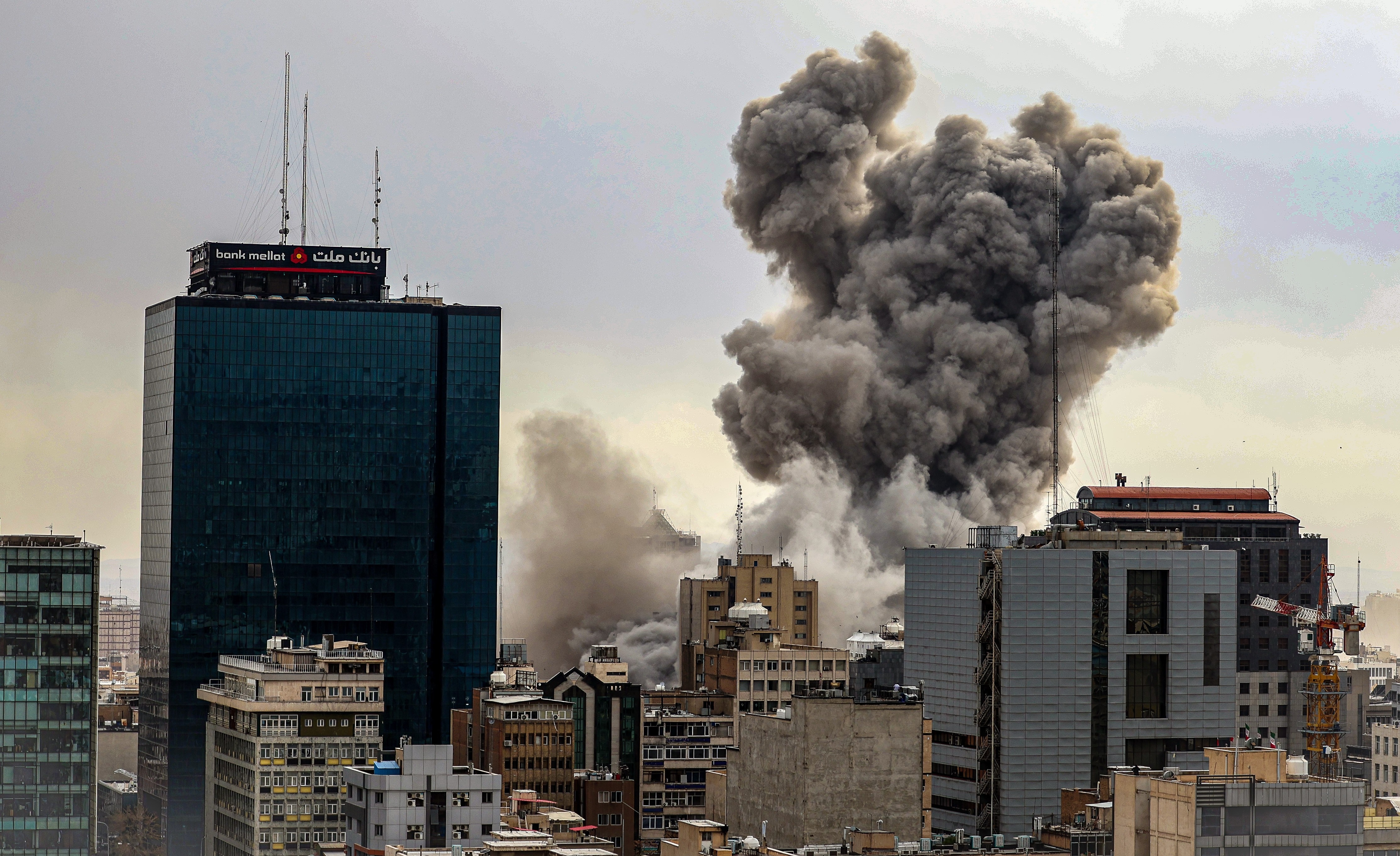
It’s like déjà vu all over again. After launching a devastating but limited series of strikes on Iranian nuclear facilities and against the nation’s top military leaders and nuclea…
 Ramadan: Politics Straight from the Heart — with Christos Tsiolkas
If there is something inherently suspicious about political appeals to “the heart” — which is to say, attempts to exploit unreflective prejudices and reactive emotions — then it is…
 Ramadan: ‘Do Not Harden Your Heart’ — with Avril Alba
Over the course of this Ramadan series, we are exploring the contours of a cardiocentric conception of the moral life. The notion of the primacy of the heart goes back three millen…
 Ramadan: Having a ‘Change of Heart’ — with Claire Zorn
Sometimes the language we use every day, often unthinkingly, contains within it traces of a much older wisdom. Consider the phrases “I’ve changed my mind” and “I’ve had a change of…
 Ramadan: The Heart and the Moral Life — with Stephen Darwall
Judging by the way we use the word in everyday speech, we intuitively know what we mean when we refer to “the heart”. We are most often gesturing toward the essence of a thing, its…
 What can headcoverings teach us about individuality, dignity and modesty?
One of the most unyielding aspects of life in the modern West is, perhaps, the ultimate value that we’ve come to accord to appearance. It is as though our essence, all that matters…
 Can political moderation survive in an age of grievance?
One of the common laments we heard last November, as Australia marked the fiftieth anniversary of the dismissal of the Whitlam government, was that Australian politics has lost its…
 From Venezuela to Greenland — how to respond to Trump’s territorial ambitions?
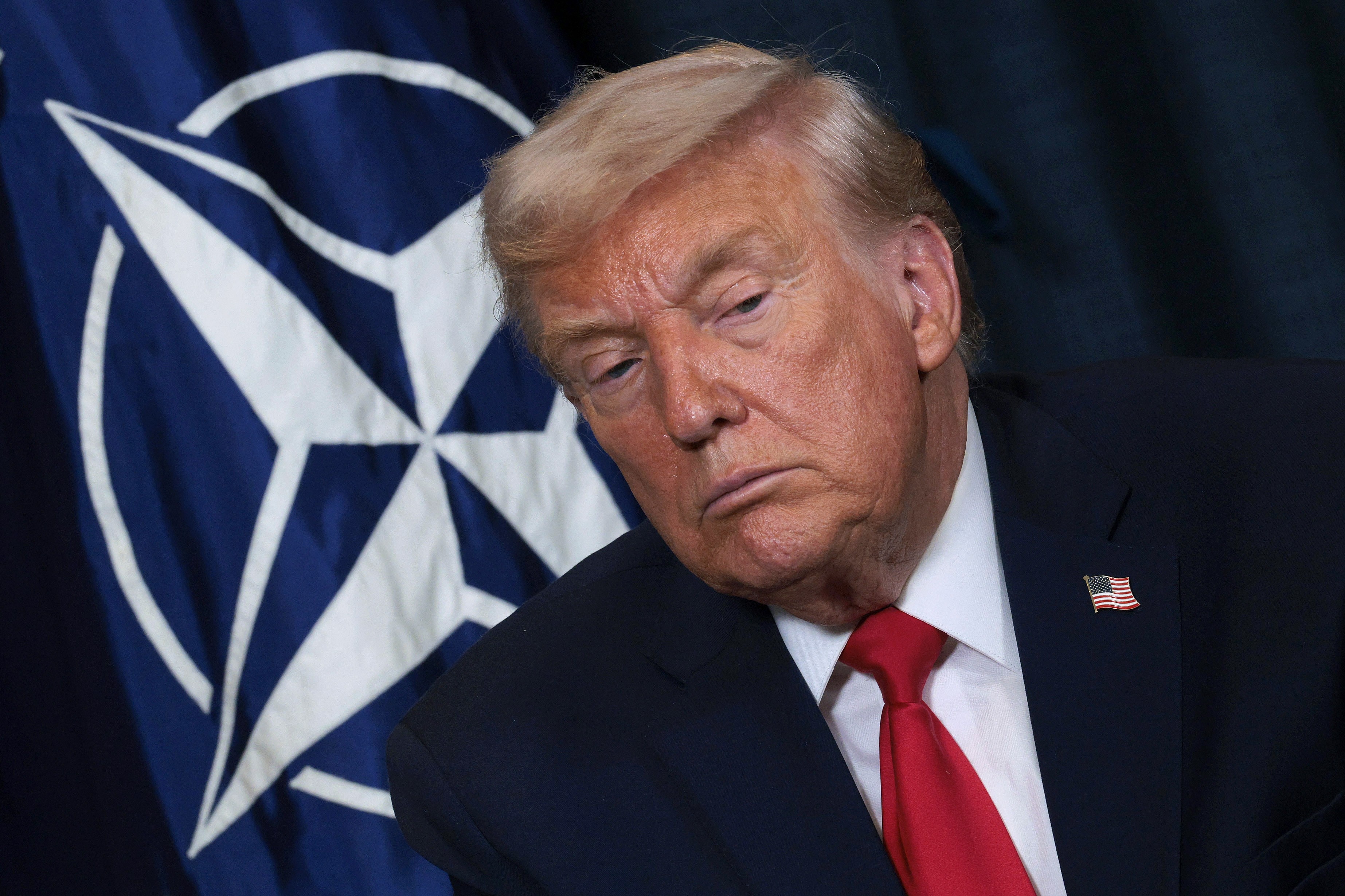
If there is a single adjective that captures the difference, both in tone and in action, between Donald Trump’s first presidential term and his second, it’s “unconstrained”. Whatev…
 What does hate speech do — and why is it so hard to legislate against?
The massacre at Bondi Beach on 14 December 2025 — during which two gunmen targeted a group of Jewish Australians who had gathered to mark the first day of Hanukkah, killing 15 peop…
- Anna Funder on the ethical and aesthetic problem of monstrous artists
How should we wrestle with the problem of loving the art, but being unsettled by the behaviour or the beliefs of the artist who created it? It would be a mistake to see it as just…
