← The Minefield
Can illegal wars still be legitimate wars? artwork

Can illegal wars still be legitimate wars?

The Minefield
54:36
Play episode

Show notes

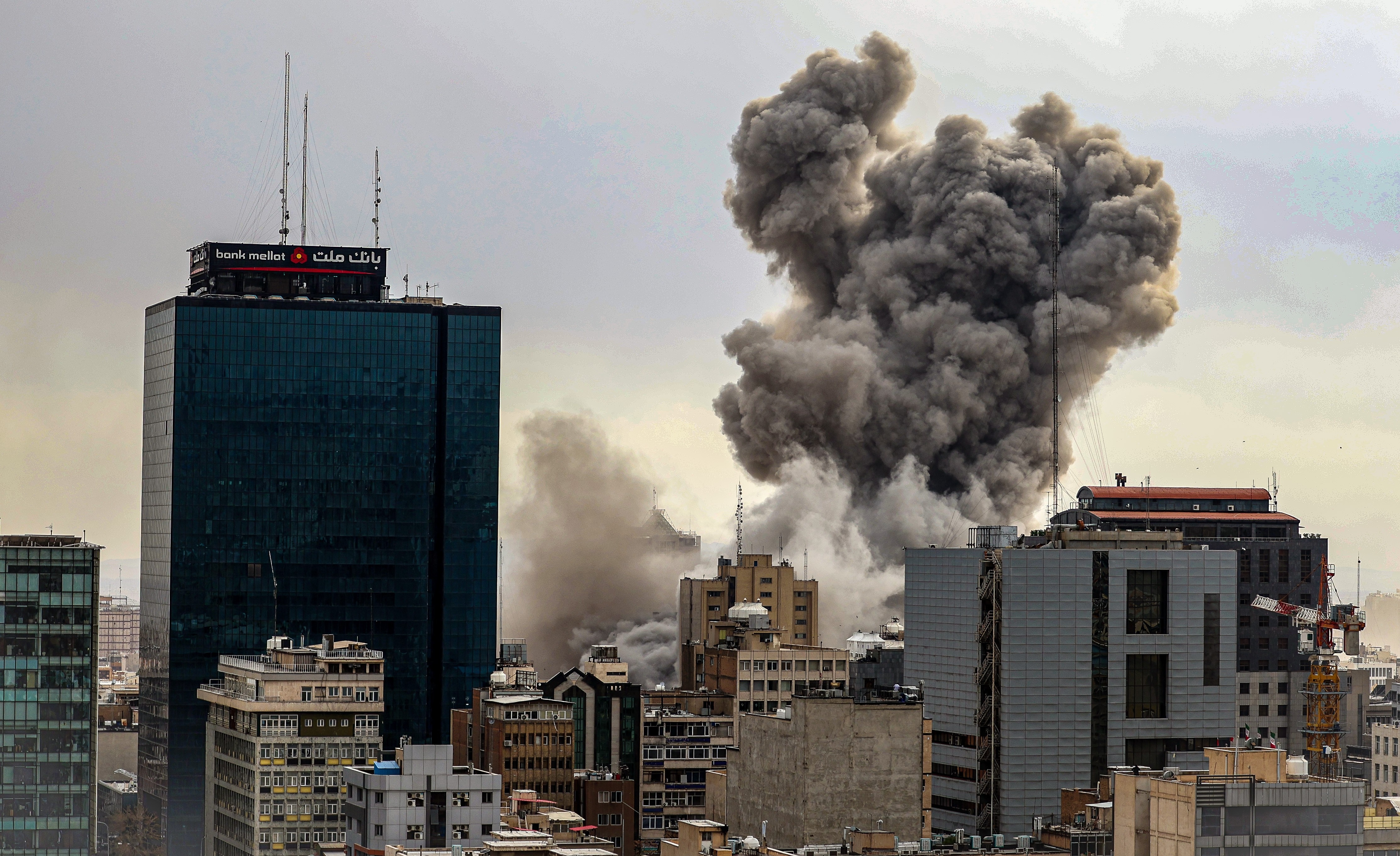
It’s like déjà vu all over again. After launching a devastating but limited series of strikes on Iranian nuclear facilities and against the nation’s top military leaders and nuclear scientists in June last year, the United States and Israel recommenced hostilities against Iran at the end of February. The objectives of this ‘war’ are similar — to eliminate Iran’s nuclear capabilities and remove the senior leadership of the Islamic Republic regime — but its implementation is more thoroughgoing, more open-ended, more uncontainable, and more problematic in terms of its basis in international law. There is near consensus among international law experts that the US-Israeli attacks on Iran come in violation Article 2(4) of the UN Charter. And yet neither the United States nor Israel seem interested in justifying their actions in terms of their legality (unlike their “middle power” allies, who are intent on using the language of “collective self-defence”). In its place are assertions of power, of unassailable might, of moral legitimacy, of “good and evil”, of an “intolerable threat” posed by Iran. The casual way that international law has been cast off in the conflict that is spreading across the Middle East raises pressing and pertinent questions about the moral considerations that undergird international law itself. Guest: Tamer Morris is a Senior Lecturer at the University of Sydney, where he focusses on international law, United Nations peacekeeping and international humanitarian law. You can read his penetrating article on the illegality and (il)legitimacy of the Iran war on ABC Religion and Ethics.

More from this show

More
  1. Why do we keep remaking films and TV shows?

    Over the last decade, the proliferation of streaming services made more movies and television series available to more people than ever before. It revolutionised what we watch (inc…

    54:40
  2. These days everything is political — is that bad for politics?

    Writing in the 1850s, at the advent of what we would come to understand as the popular press — which is to say, periodicals for mass distribution, rather than aimed at paid-up memb…

    54:36
  3. If AI can’t be brought under human control, why are we still pressing ahead?

    When the history of artificial intelligence is written, the middle months of 2026 may well emerge as a kind of turning point. For this was the period when hundreds of programs or “…

    54:36
  4. Last Words: Is ‘Abbey Road’ a fitting end to the Beatles?

    In our previous explorations of famous “last words” — performances or compositions delivered with a certain end in view, with a sense of either culmination or parting, or with an e…

    54:36
  5. Does a ‘digital duty of care’ put free speech at risk?

    Evidence has been mounting for more than a decade that social media tears away at the fabric of democratic life by eroding the conditions of deliberation, shared understanding and…

    54:36
  6. Is loyalty a virtue?

    It is surely one of the more perverse achievements of modern marketing to have taken words that have a certain moral valence — which is to say, words that connote intimacy or an in…

    54:45
Now Playing
Can illegal wars still be legitimate wars? — The Minefield | Podcast | Josplay Music