Influence Profile
No genre data available
Genre information will appear here once available
Trending in Shubha Mudgal’s World
Latest Album
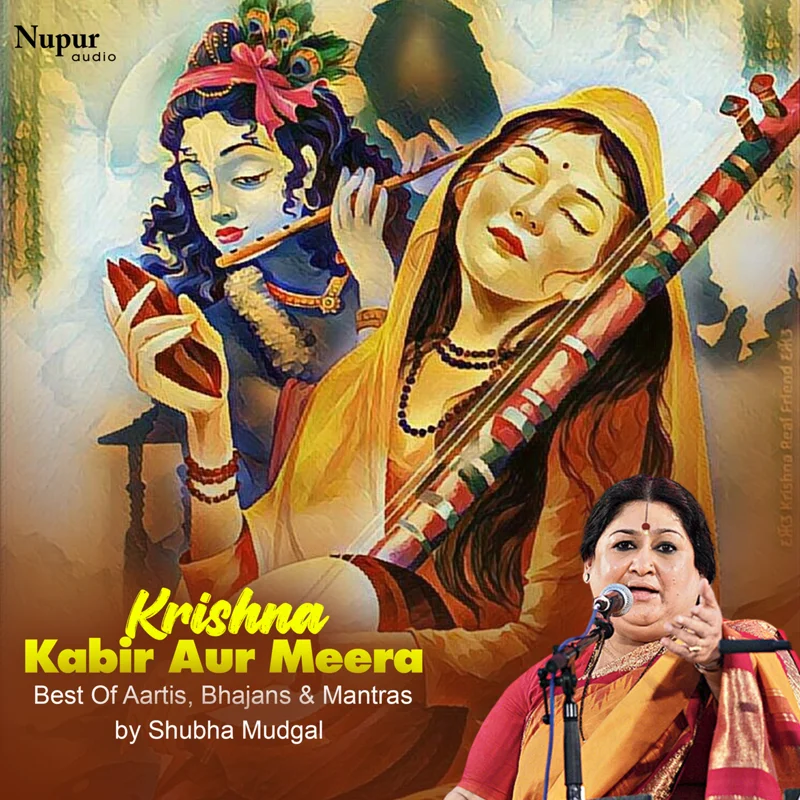
Krishna Kabir Aur Meera Best of Aartis, Bhajans & Mantras by Shubha Mudgal
Released Jan 1, 2015
Trending Globally
No trending songs available.
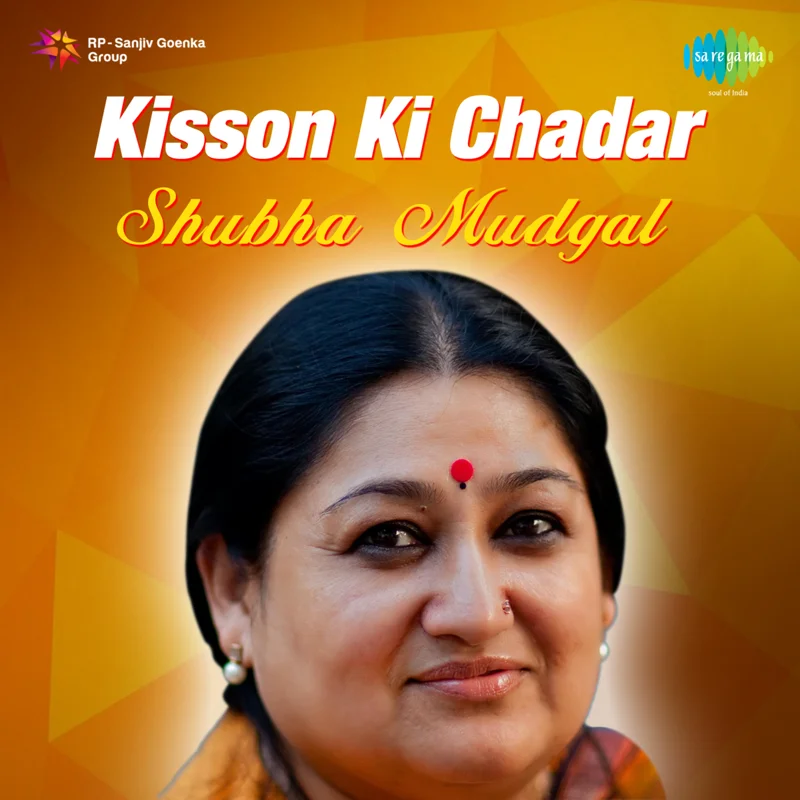
Story
Quick Facts
Born
1959
1959
From
India
India
Journey
Shubha Mudgal, born Shubha Gupta in Allahabad (now Prayagraj), Uttar Pradesh, is an Indian singer, composer, and educator whose work has bridged Hindustani classical music, folk traditions, devotional music, pop, and contemporary fusion. Raised in an academically inclined family, she grew up surrounded by literature, poetry, and music, influences that later became central to her artistic identity.
Mudgal received formal training in Hindustani classical music under Pandit Ramashreya Jha “Ramrang” and later studied with distinguished musicians including Pandit Vinaya Chandra Maudgalya, Pandit Kumar Gandharva, Naina Devi, and Pandit Jitendra Abhisheki. She began performing publicly in the 1980s as a classical vocalist, developing a strong reputation in khayal, thumri, and dadra.
During the 1990s she expanded her artistic range into pop and fusion, reaching a much wider audience while maintaining her classical foundation. Recordings such as “Ab Ke Sawan,” “Ali More Angana,” “Mann Ke Manjeere,” and “Rasiya” became particularly well known for combining classical phrasing with accessible contemporary arrangements. Her discography, released through Saregama and Saregama India Ltd, also includes “Krishna Kabir Aur Meera,” “Best of Aartis Bhajans & Mantras by Shubha Mudgal,” and “Kisson Ki Chadar.”
Mudgal has collaborated across genres with artists including Kailash Kher, Swarathma, and Mizmaar. She sang the title track of the television series “Diya Aur Baati Hum” with Kailash Kher, recorded “Pyaasi” and “Duur Kinaara” with Swarathma, and released the single “Jogi” with Mizmaar, demonstrating continued engagement with folk and popular music traditions.
Her achievements have received significant national and international recognition. She won the National Film Award for Best Music Direction in a Non-Feature Film for “Amrit Beej” in 1996, received the Kalashri Award in 1997, and earned a Gold Plaque Award for Special Achievement in Music at the 34th Chicago International Film Festival in 1998. The Government of India awarded her the Padma Shri in 2000, and she later received the Rajiv Gandhi National Sadbhavana Award in 2016.
Beyond performance, Mudgal has been an influential advocate for artists’ rights, independent music, and digital distribution platforms. Her career stands out for its rare ability to connect rigorous Hindustani classical training with contemporary audiences while preserving artistic depth and cultural integrity. She continues to perform, record, teach, and participate in major cultural initiatives across India.