Influence Profile
No genre data available
Genre information will appear here once available
Trending in Albert Ayler’s World
Trending Globally
No trending songs available.
Story
Quick Facts
Born
1936
1936
From
United States of America
United States of America
Journey
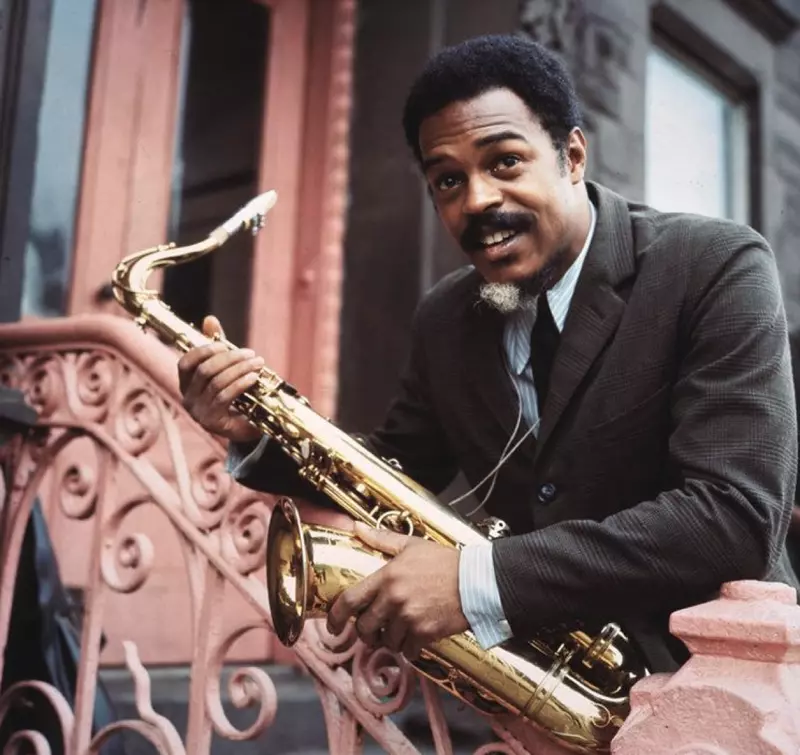
Albert Ayler was born in Cleveland, Ohio, United States, where he developed an early interest in music under the guidance of his father, Edward Ayler, an amateur saxophonist and violinist. He began playing alto saxophone as a child before adopting the tenor saxophone, performing in church ensembles and local bands while attending John Adams High School. Following graduation, Ayler served in the United States Army, where he performed in military bands and continued refining his musicianship. His early experiences in rhythm and blues, gospel, and marching band traditions would later inform his distinctive musical language.
After relocating to Europe in the early 1960s, Ayler found an audience receptive to his unconventional approach. He returned to the United States with a bold artistic vision and quickly emerged as one of the most influential and controversial figures in free jazz and avant-garde jazz. His breakthrough came with the landmark 1964 album Spiritual Unity, recorded with bassist Gary Peacock and drummer Sunny Murray. The recording established him as a leading voice in the free jazz movement, challenging conventional harmony and structure through powerful improvisation and emotionally charged performances.
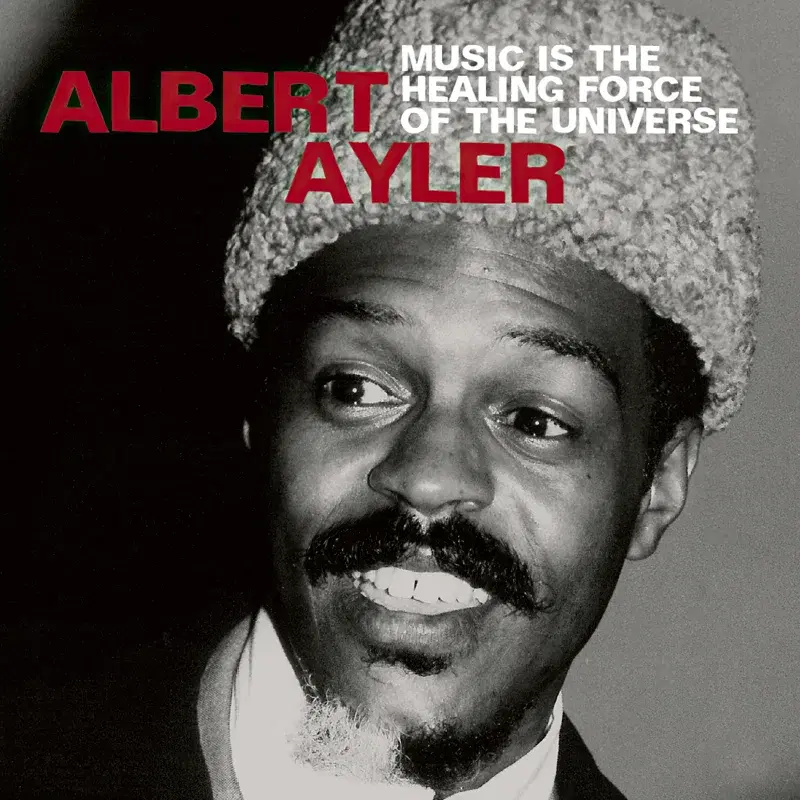
Ayler's approach to the tenor saxophone was defined by an unmistakable tone, extensive use of multiphonics, wide interval leaps, and an intensity that expanded the expressive possibilities of jazz. His discography includes seminal recordings such as "Spiritual Unity," "Ghosts," "Bells," "Spirits Rejoice," "Love Cry," "New Grass," and "Music Is the Healing Force of the Universe". Originally released by Impulse! Records in 1969 and later reissued by several labels, including Jazzwerkstatt, Music Is the Healing Force of the Universe remains one of the defining works in his catalogue, reflecting his willingness to incorporate vocals, gospel influences, and broader musical ideas into his evolving sound.
Throughout his career, Ayler collaborated with leading innovators, including Don Ayler, Cecil Taylor, Sunny Murray, Gary Peacock, Milford Graves, Beaver Harris, and Call Cobbs. Although his music received limited commercial recognition during his lifetime and he did not receive major competitive awards, his artistic influence has grown substantially over the decades. Musicians such as John Coltrane, Peter Brötzmann, David Murray, and countless improvisers have acknowledged his impact on modern jazz and experimental music.
Albert Ayler died in November 1970 at the age of 34, bringing an end to a brief yet transformative career. His recordings continue to be studied, reissued, and celebrated for their originality, emotional depth, and lasting contribution to jazz history. Today, he is regarded as one of the defining architects of free jazz, and his work remains a benchmark for musicians exploring improvisation beyond traditional musical boundaries.