Podcast
The Minefield
Episodes — page 9
 Travel is bad for the climate — but what if it’s also bad for us?
Most of us are aware of the environmental costs associated with international tourism. But have we considered whether travel enhances or diminishes our moral lives?
- What’s the point of blame? When is it right to forgive?
Blame and forgiveness are two of the most natural responses to wrongdoing — and yet, increasingly, these responses are viewed with a degree of suspicion, if not outright hostility,…
 Can democracy withstand the strategic use of online confusion?
Is there any way of retrieving the deliberative conditions under which democratic life is possible, when the social media cacophony makes hearing one another so hard?
 In a critical age, are we losing the ability to say why we love what we love?
We’ve reached the point in mass culture, to say nothing of the “higher culture” of academia, when criticism is the norm. To the point that we increasingly define ourselves by what…
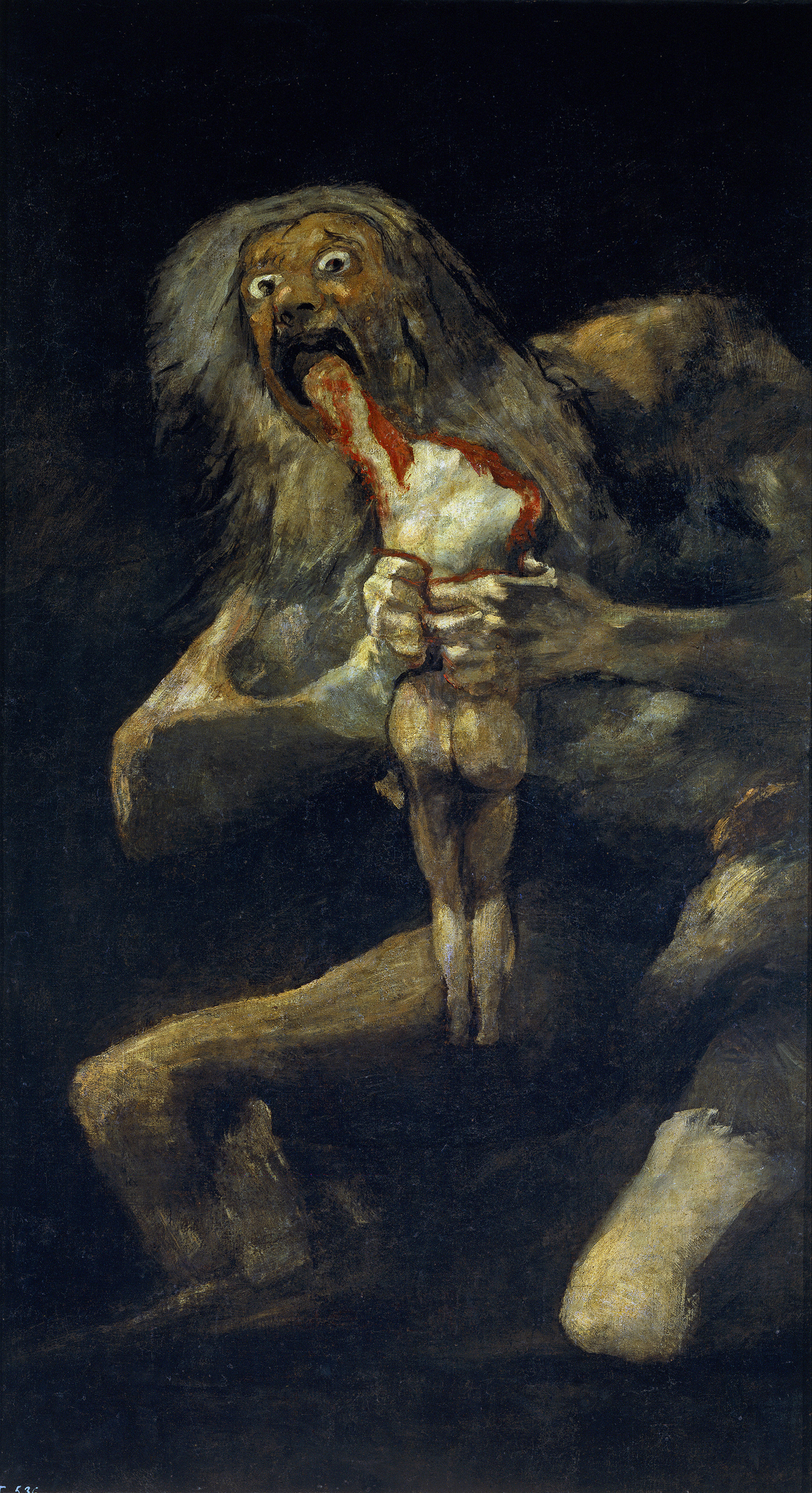 Facing the darkness: The moral challenge of Goya’s “Saturn devouring his son” (1823)
Spanish painter Francisco de Goya’s depiction of Saturn eating his son is a haunting portrait of lust and the fear of one’s own finitude. Christos Tsiolkas joins Waleed and Scott t…
 When is a referendum an unethical way of resolving a political question?
Now that the PM has announced the date of the referendum, it’s worth remembering that the zero-sum nature of referenda can unleash the kind of bruising rhetoric that does lasting d…
 Should climate change make us rethink the ethics of nuclear energy?
Opposition leader Peter Dutton has recently reintroduced the prospect of nuclear power as part of Australia’s commitment to decarbonisation. But what is behind the push for nuclear…
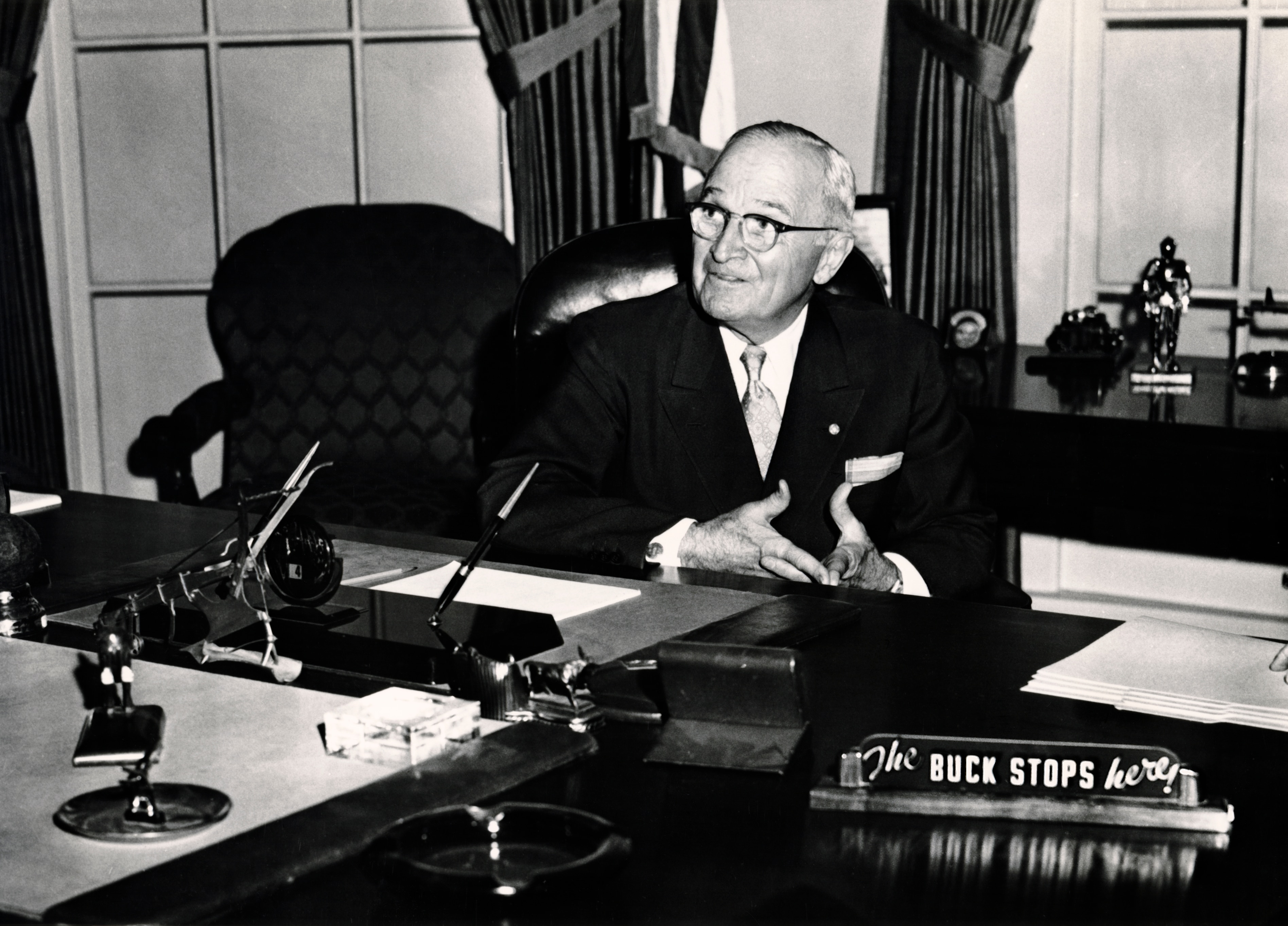 1 May 1956: Was Elizabeth Anscombe right to charge Harry Truman with murder?
When Oxford University proposed to confer an honorary degree on the man who ordered an atomic bomb to be dropped on Hiroshima and Nagasaki, philosopher Elizabeth Anscombe condemned…
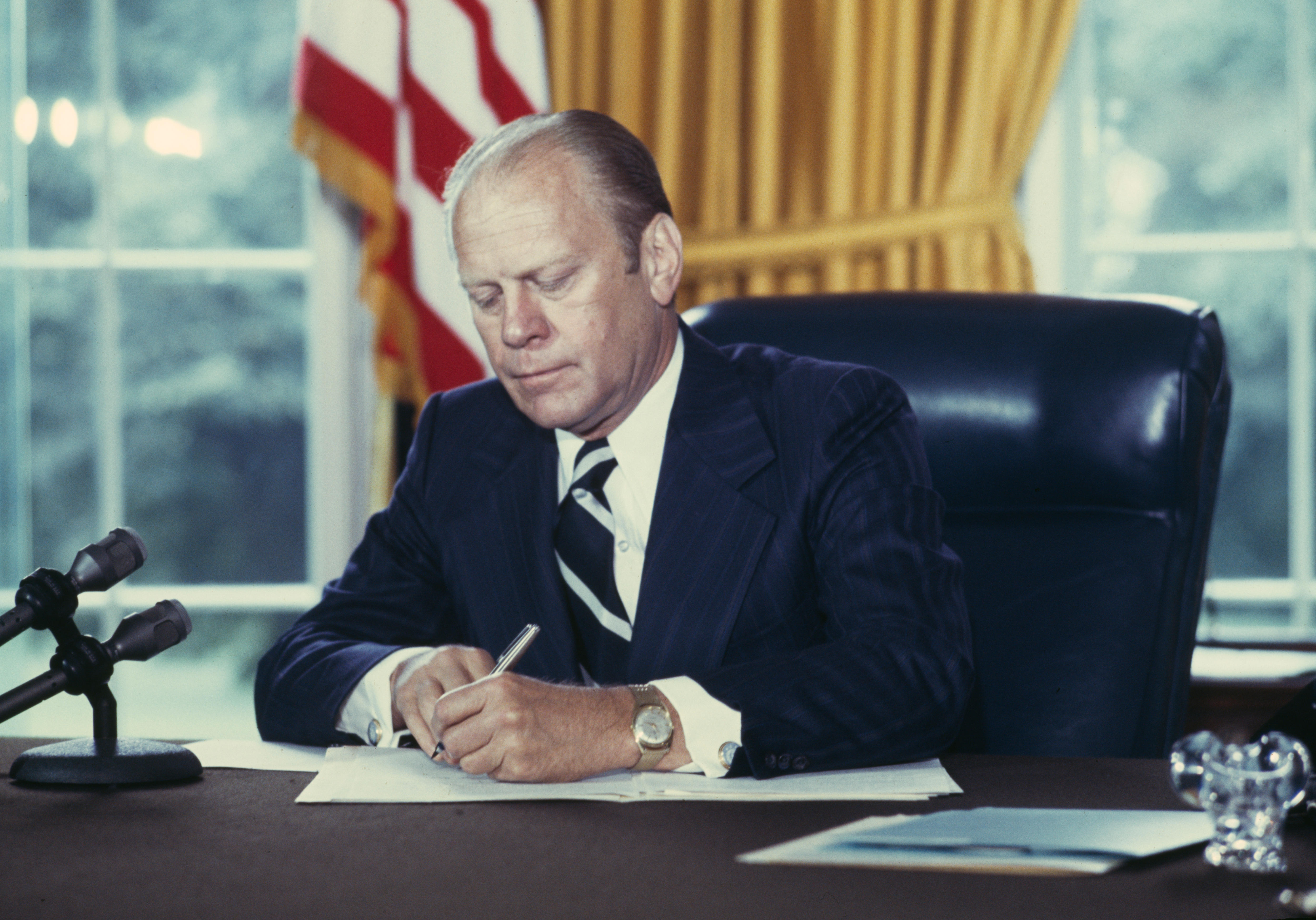 8 September 1974: Was Gerald Ford right to pardon Richard Nixon?
When US President Gerald Ford pardoned Nixon of his crimes, did he thereby place the presidency above the law — or did he understand a hard reality about democratic politics that s…
 Is there any benefit to boredom?
It is fair to say that boredom is a distinctly modern terror. But, as Stan Grant discusses with Waleed and Scott, what if existential boredom points us to our deeper need?
 Does AI pose a threat to human life — and if so, what kind?
Are the doomsday scenarios associated with Artificial “Super” Intelligence distracting us from the ways that the pervasive use of AI is already corrupting our use of language and t…
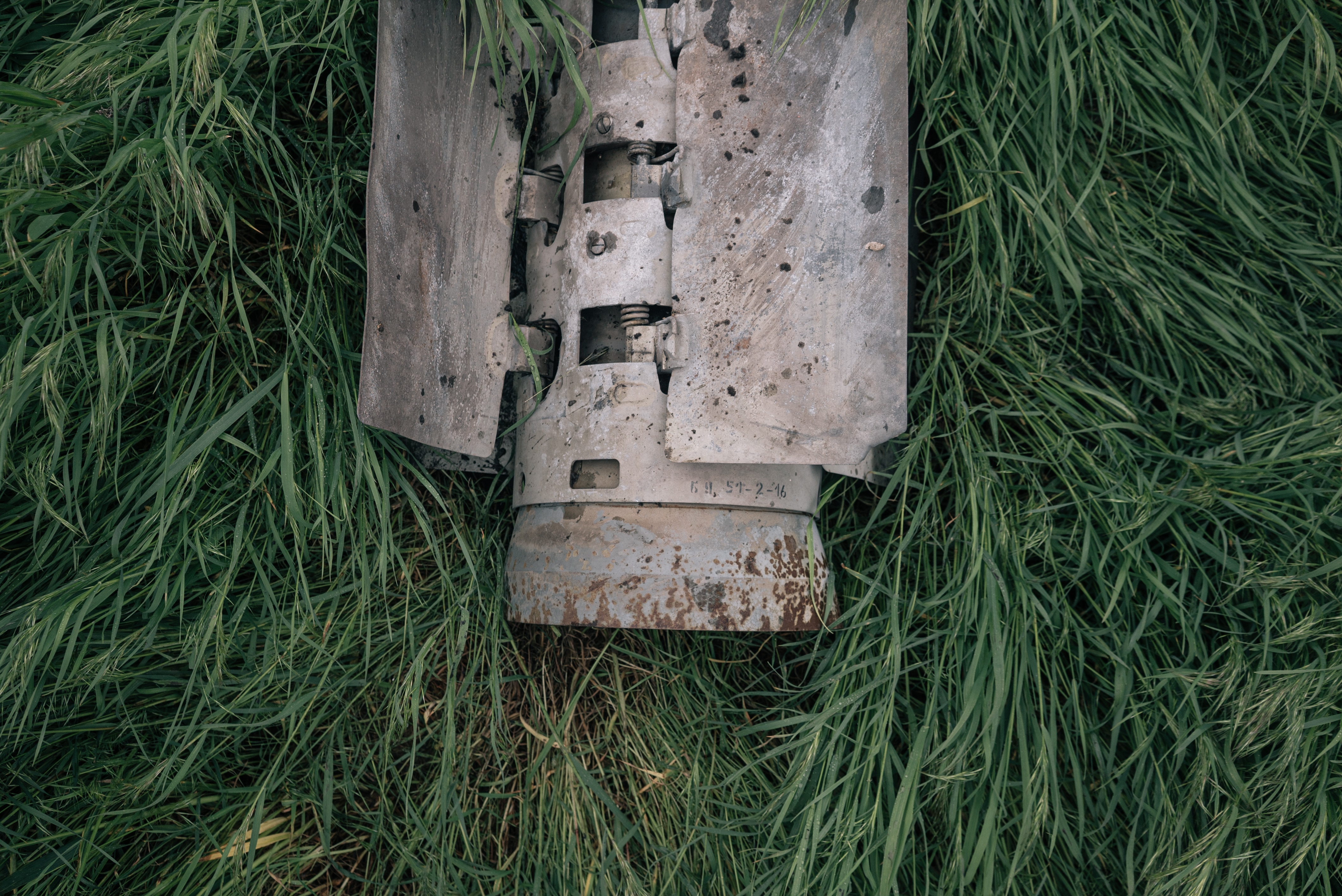 Are cluster munitions a “lesser evil” in the war in Ukraine?
Earlier this month, US President Joe Biden made the surprising decision to supply Ukraine with cluster munitions. Does the threat posed by Russia outweigh the moral considerations…
 Why do we distance ourselves from our age?
Western culture’s association of ageing with decline and obsolescence fuels (and is fuelled by) a desire to dissociate ourselves from our age — but such forms of subtle and overt a…
 What does it take to address a “wicked problem” like political corruption?
The newly formed National Anti-Corruption Commission faces both unrealistic expectations and a potentially fraught political climate. Professor A.J. Brown joins Waleed and Scott to…
 What are playlists doing to our ability to listen to music?
Platforms like Spotify have transformed the way people listen to music through their use of recommendation algorithms and customised playlists designed to cater to either a particu…
 How to respond responsibly to the “cost of living crisis”?
The tendency over the past four decades has been for governments to try to shield their populations from energy shocks and their associated “cost of living” crises — but is such a…
 Does the Voice to Parliament undermine Australia’s political traditions?
The proposed Voice to Parliament is particularly susceptible to two arguments: that it violates the principle of equal citizenship; and that it will enshrine a divisive form of “id…
 “Succession” — from tyranny to tragedy
The final season of HBO’s prestige television series Succession confirms that the various characters’ willingness to betray, deceive, manipulate and enact an unrelenting cruelty up…
 Are Labor’s “stage three” tax cuts unjust and unethical?
It’s been a long time since a policy adopted by the federal government has presented such a knot of party-political, parliamentary, social and ethical problems — Professor Miranda…
 Is Stan Grant’s decision the result of a broken media?
At the end of Monday’s Q+A, Wiradjuri man and journalist Stan Grant stated: “We in the media must ask if we are truly honouring a world worth living in.” Why aren’t more taking him…