Podcast
The Minefield
Episodes — page 13
 Is anger corrosive to the moral life? A conversation with Christos Tsiolkas
There is no doubt that emotions like anger can be a proper response to the persistence of injustice or inequality or prejudice or cruelty in the world. But it can also be exhaustin…
 Live from WOMADelaide: Should children get the vote?
The question of whether the franchise should be extended to children has become an increasingly pressing topic in political theory. But why would we want them to vote? Is it in the…
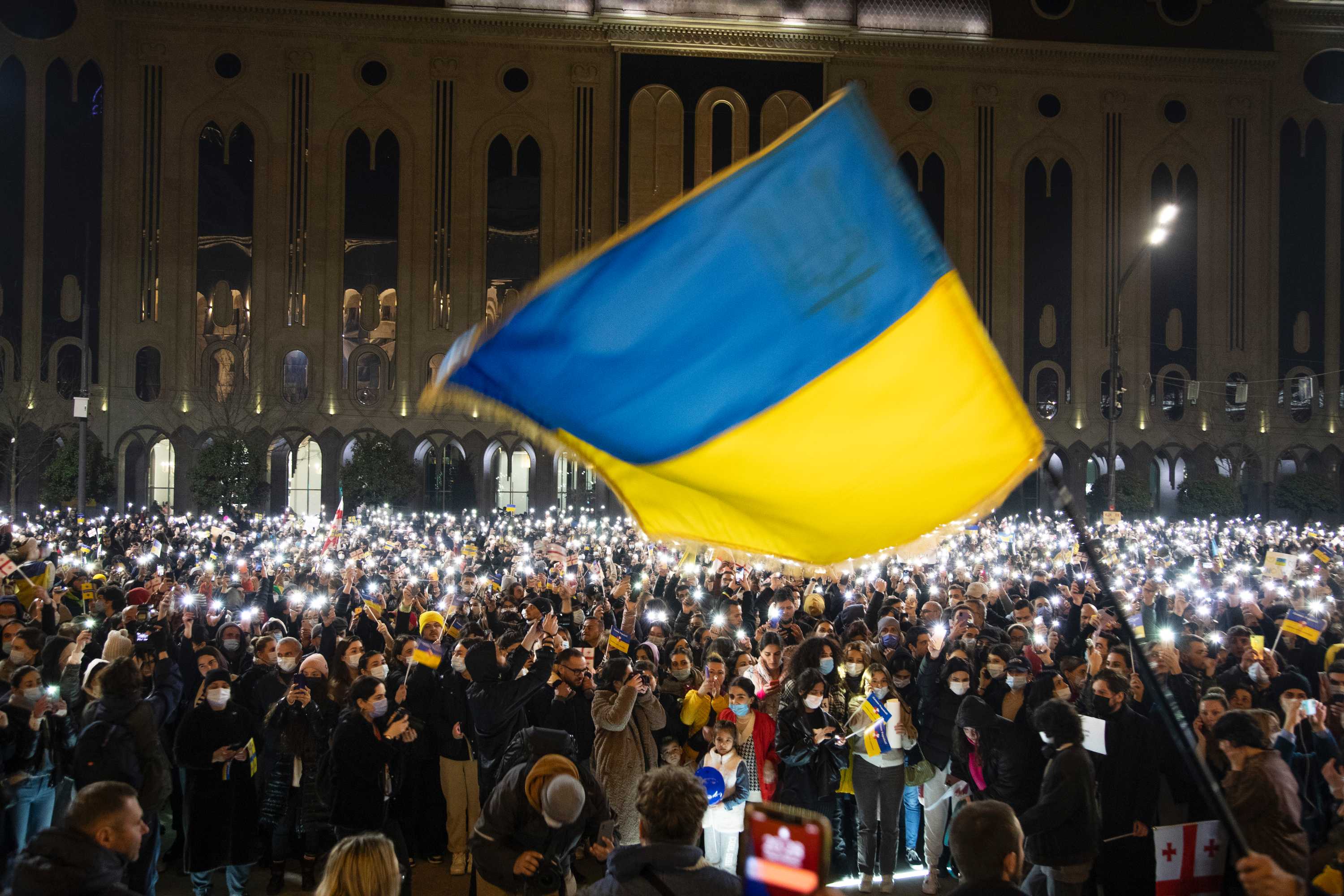 What's at stake in the conflict in Ukraine?
It is hardly surprising that Russia’s invasion of Ukraine has been met by fierce, swift, and unified opposition on the part of the West and their allies — who have offered strategi…
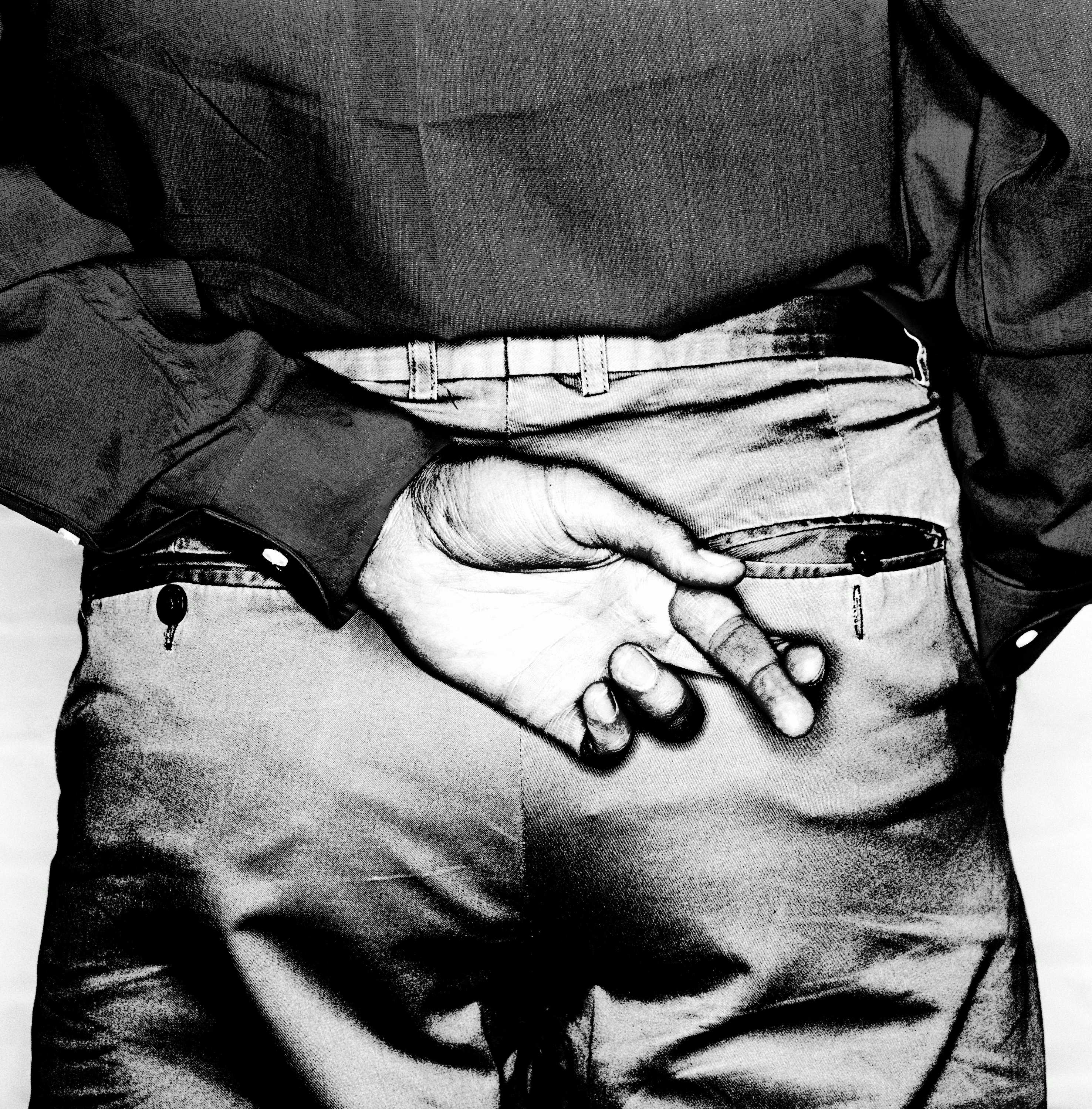 What’s worse in politics — lying or hypocrisy?
Lying has become so commonplace in politics that it has almost become expected — if not quite accepted. Many politicians who are notoriously promiscuous with the truth even remain…
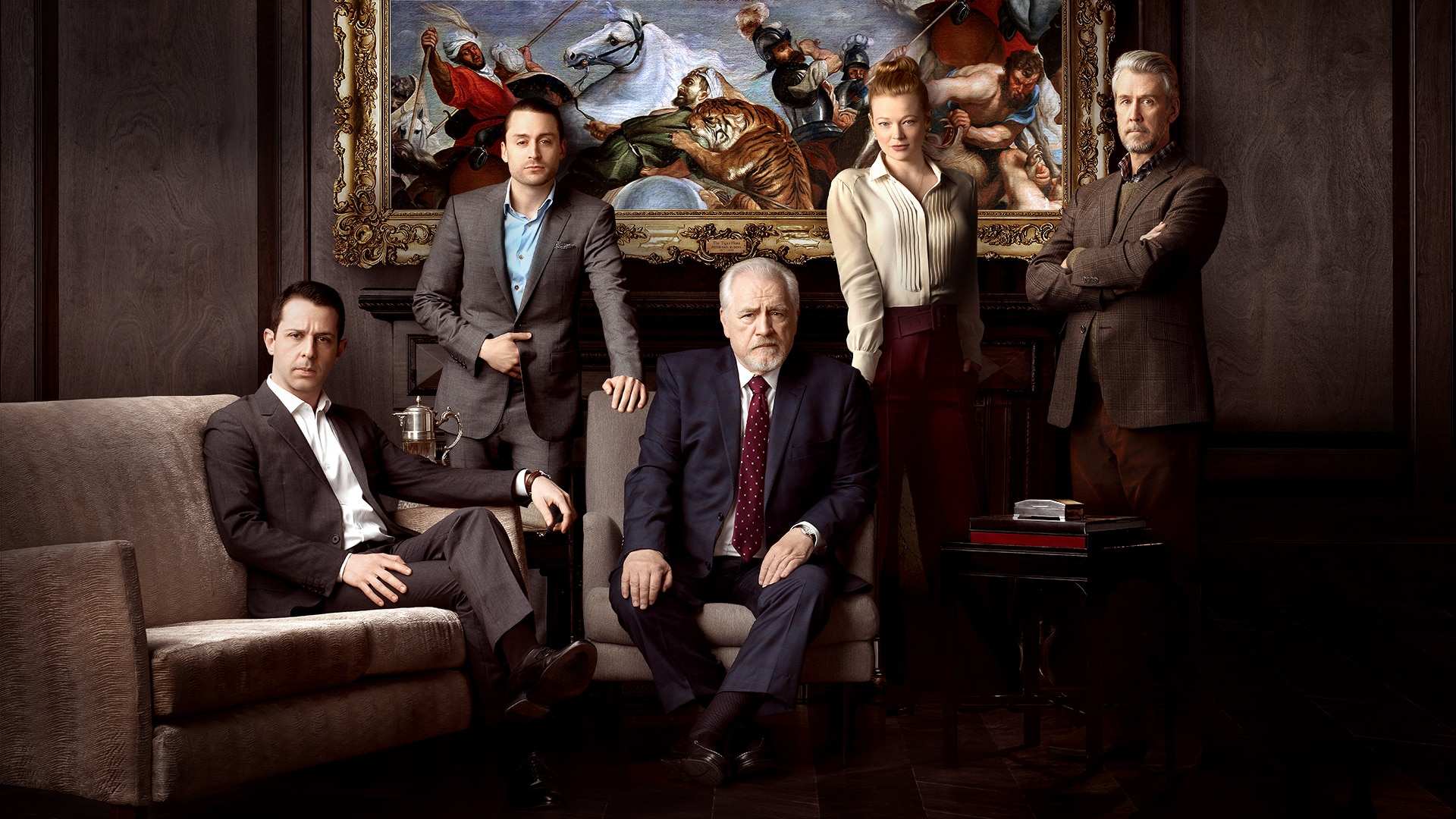 "Succession" — A Theatre of Cruelty
Works of art, both high and low, can inform and inflect a moral vision of the world. It makes sense to approach works of art with an attentiveness to the light they shed on our liv…
 Does Australia have a concept of “solidarity”?
Two years ago Scott Morrison raised the drawbridge, effectively sealing “Fortress Australia” off from the rest of the world. What effect has the act of separating Australian citize…
 Was the Religious Discrimination Bill destined to fail?
The debate over the Religious Discrimination Bill has exposed a tension at the heart of the liberal vision of a pluralistic society, in which citizens commit to living together des…
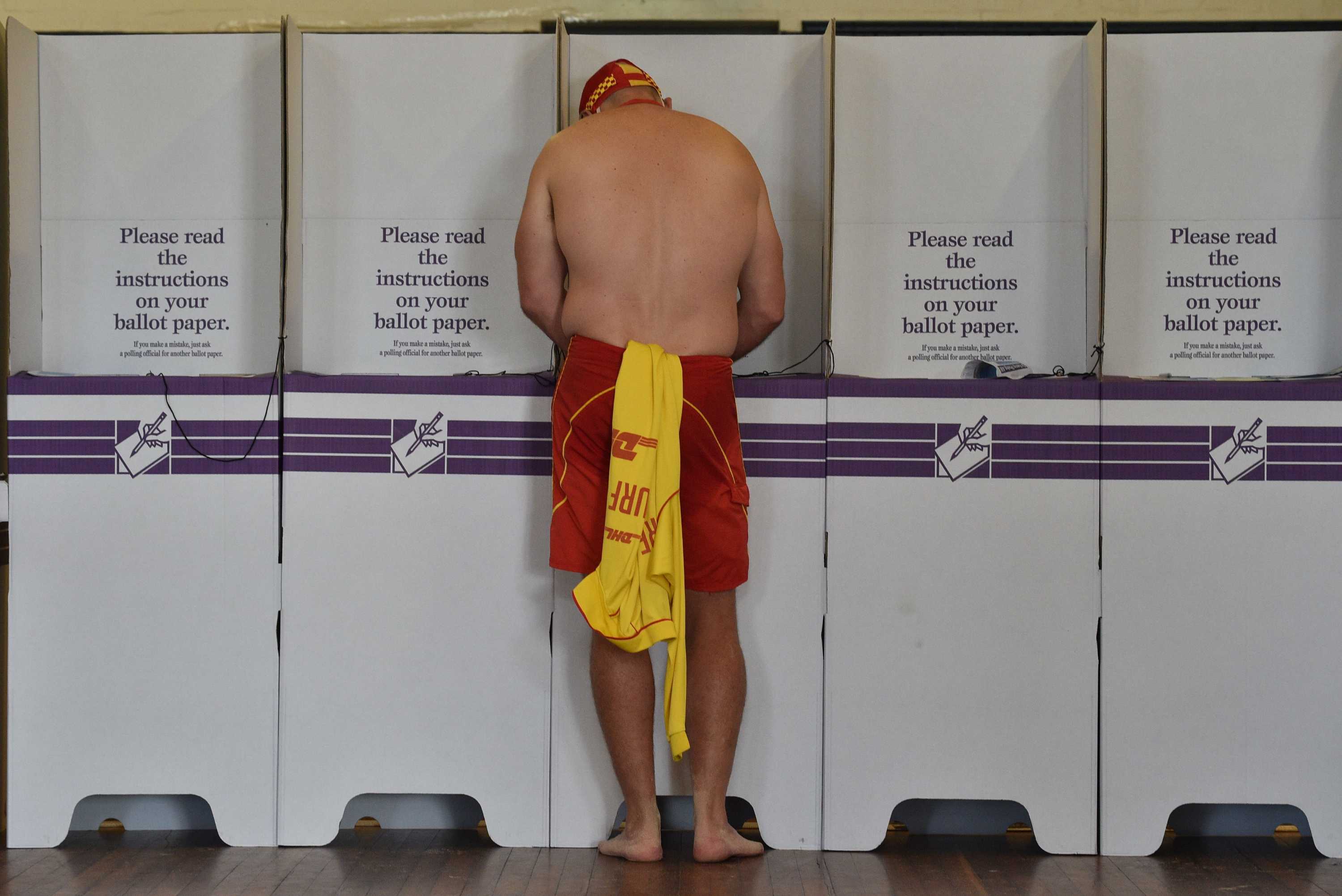 How essential is compulsory voting to Australia’s democratic culture?
The practice of compulsory voting, along with the two other pillars of Australia’s electoral system — preferential voting and non-partisan election administration — have kept Austr…
 Are we suffering from too much moral language?
The misuse of moral language in public debate is nothing new. But in our social-media saturated age, this misuse has taken on a distinct and rather perfidious form. Morally weighte…
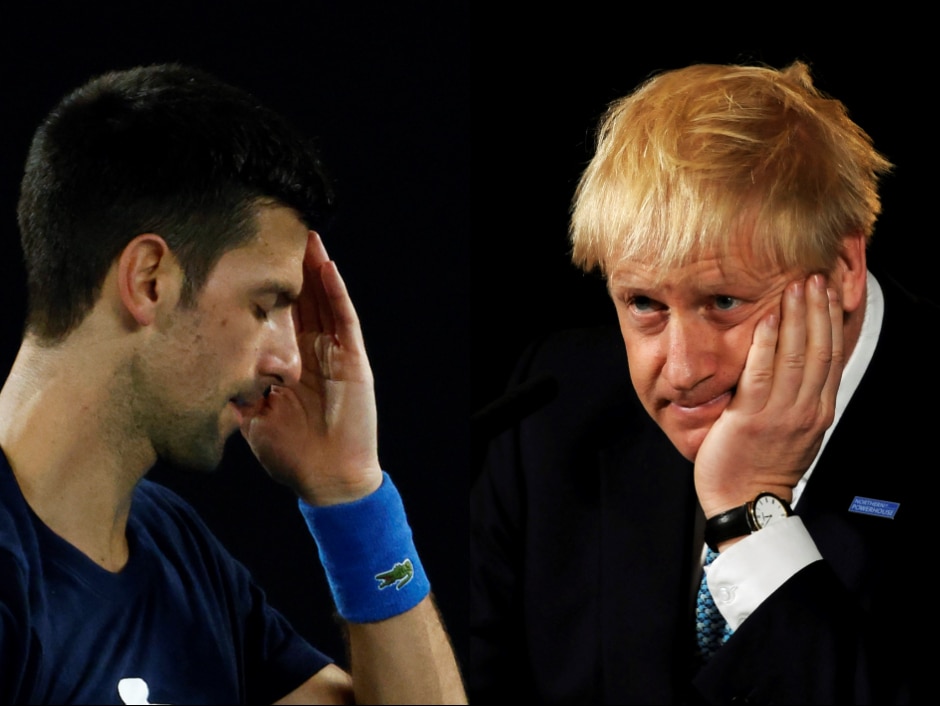 Novak and Boris — why have they elicited such strong public emotions?
Over the past two months, the conduct of two prominent figures have evoked fierce expressions of public emotion. What explains the intensity of feeling? Have these emotions distort…
 Why don’t we talk more about class?
It’s become a sad commonplace in our time to hear the lines along which democratic societies are now divided. What is often absent, however, is mention of class. Why? Do Korean fil…
 What are we doing when we "quote"?
How might we avoid bad faith quotations, served up in vain interests, and locate ourselves, our hearers, our readers, in a community of mutual interest and intellectual wonder — no…
 Emojis: Universal language, or harbinger of an age of moral illiteracy?
They seem innocuous, but since their invention more than two decades ago, emojis have come to permeate our forms of online communication. Indeed, they are the perfect expression of…
 Should journalists stay away from social media?
Over the last year, there have been a number of high-profile cases where journalists have either landed themselves in legal trouble, or have sparked fierce backlash, due to their c…
 Is "opinion" doing more harm than good?
Opinion writing plays a disproportionate role in our media eco-system: it drives online traffic, fuels emotion, feeds the forces of polarisation, and promotes an incapacity to unde…
 “Prestige television” and the moral life
One of the most notable cultural changes to have taken place over the past two decades is the emergence of “prestige television” — which is to say, television as the visual equival…
 Should wealthy nations be procuring booster doses?
Now that vaccines are enjoying widespread coverage among wealthy nations, and with the recent emergence of the Omicron variant and rapidly rising rates of infection in the United S…
 The ethics of “sh*t-stirring”
In a time when so many opinions are clamouring for views in our debauched attention economy, “sh*t-stirring” has become an irresistible strategy to get oneself noticed. But it does…