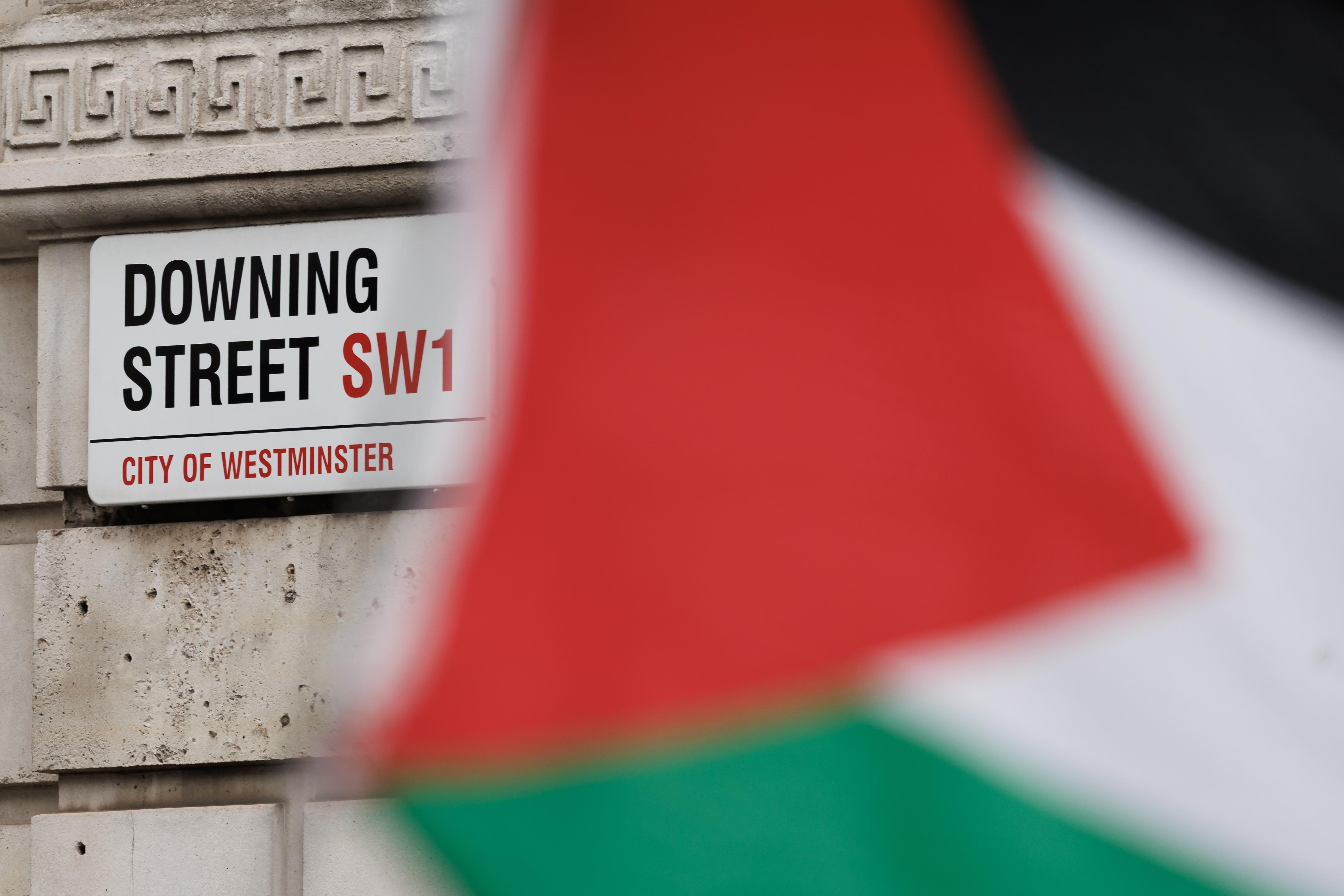
What would be achieved by recognising a Palestinian state?
The MinefieldPlay episode
Show notes
On 24 July, French President Emmanuel Macron announced his intention to recognise a Palestinian state at the UN General Assembly in September, as part of France’s “historical commitment to a just and durable peace in the Middle East”. Just five days later, UK Prime Minister Keir announced that the UK, too, will recognise a Palestinian state in September:
“unless the Israeli government takes substantive steps to end the appalling situation in Gaza and commits to a long term sustainable peace, including through allowing the UN to restart without delay the supply of humanitarian support to the people of Gaza to end starvation, agreeing to a ceasefire, and making clear there will be no annexations in the West Bank.”
These announcements come at a pivotal moment. The humanitarian crisis in Gaza is worsening by the day, with the UNRWA Commissioner-General, Philippe Lazzarini, reporting that one in five children are malnourished and more than 100 people have died from starvation. Meanwhile, negotiations between Israel and Hamas that would see hostages returned and a durable ceasefire reached have broken down and there is little prospect of them resuming.
It is important to note that, whereas in the past the prospect of recognition of a Palestinian state has been used as a way of getting representatives of the Palestinian Authority to meet certain conditions, here the threat recognition is being used to pressure Israel into abandoning its own intransigence.
Even among those who are committed to a two-state solution, however, there remains some doubt as to whether recognition would materially change anything for Palestinians, at least in the short term. So what would be the point of bringing recognition forward in the peace process?