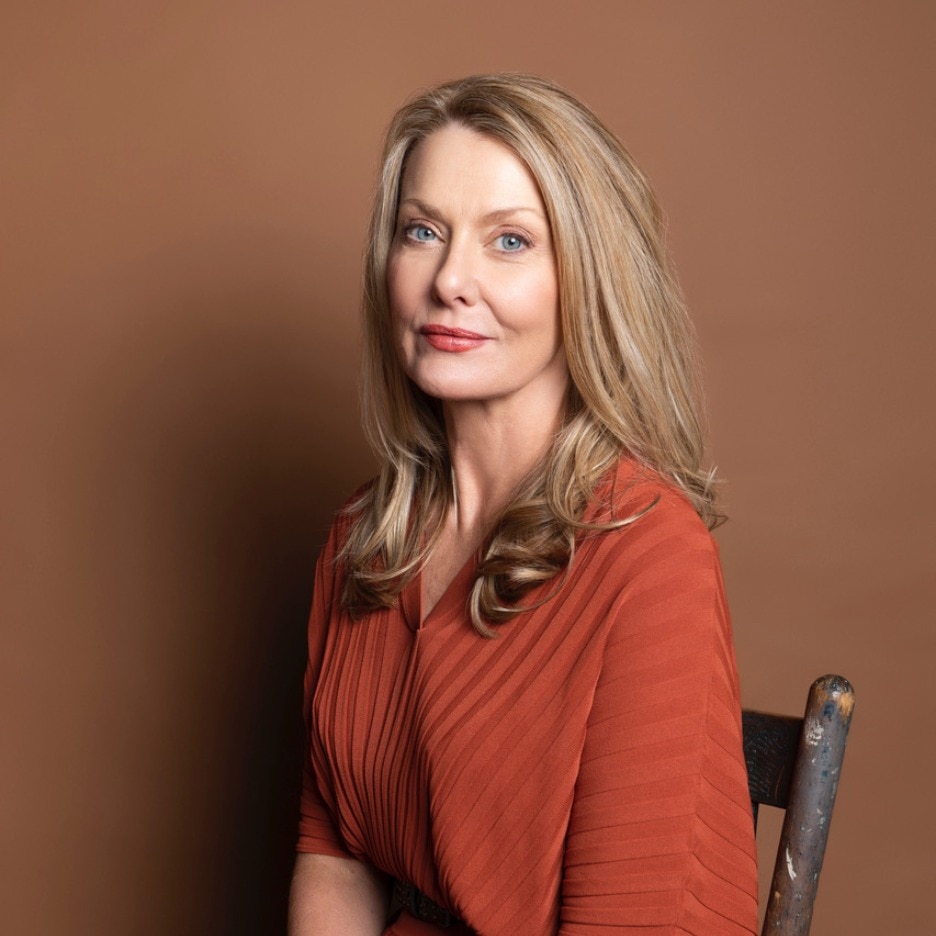
The moral problem of monstrous artists, with Anna Funder: Live from the Sydney Writers’ Festival
The MinefieldPlay episode
Show notes
It is a problem many people increasingly feel they can neither avoid nor ignore: we could characterise it as the problem of loving the art, but being unsettled by the behaviour or the beliefs of the artist who created it.
This is a perfectly serviceable way of grasping the outline of the matter, but, on further reflection, it fails to get to its heart. For it’s not that we are merely put off by or disappointed with the artist — as though they have somehow failed to live up to an ethical ideal or have adopted a way of living that is a bit too outré for our liking.
What is at issue is not so much disappointment as it is betrayal: we’ve come to know something about the artist so distressing that it cannot help but plunge us into a state of either deprivation (we still value the art, maybe even love it, but no longer know how to enjoy it) or dissonance (we go on pretending that what is essentially private doesn’t matter, and that the art can continue to be enjoyed in its own right). In either case, we are left longing for a lost innocence when we did not know what we now know.
Whatever it is that ruins our appreciation of these artists and intellectuals, it is something that threatens to permeate the whole. Call it a kind of monstrousness. In her book Monsters: A Fan’s Dilemma, Claire Dederer perfectly captures the affective dimension of the dilemma concerning great artists:
“They were accused of doing or saying something awful, and they made something great. The awful thing disrupts the great work; we can’t watch or listen to or read the great work without remembering the awful thing. Flooded with knowledge of the maker’s monstrousness, we turn away, overcome by disgust. Or … we don’t. We continue watching, separating or trying to separate the artist from the art. Either way: disruption.”
It would be a mistake, however, to see the problem of “tainted artists” as just an ethical problem — like wearing affordable clothes that are manufactured under exploitative conditions, or eating chocolate that is not ethically sourced, or buying cage eggs, or a principled refusal to eat meat that otherwise tastes good. It is also an aesthetic problem. Because knowing what we know causes us to see the work differently.
You can read an excerpt from Anna Funder’s book Wifedom, on George Orwell’s domestic monstrousness, here.