Should fat from cadavers be used for cosmetic procedures?
The MinefieldPlay episode
Show notes
The widespread availability of GLP-1 based drugs has been lauded as a “revolution in weight loss” and as inaugurating the “end of obesity”. As we’ve discussed previously, health benefits aside, there are concerns that such weight-loss drugs don’t just leave certain cultural assumptions about beauty and body size unchallenged, but in fact reinforce a kind of cultural aesthetic hierarchy — elevating slimness to the level of a kind of moral demand (with the opprobrium that accompanies failure to live by it).
Those concerns remain. But the uptake of use of GLP-1 drugs in places like the United States — where 11 per cent use drugs like Ozempic and Wegovy, according to Gallup — has intersected with a parallel cultural phenomenon in interesting and rather morbid ways. What happens when the demand to be slim encounters the idealisation of body shapes: fuller curves, more defined muscles, plumper lips, tighter skin, sharper cheeks?
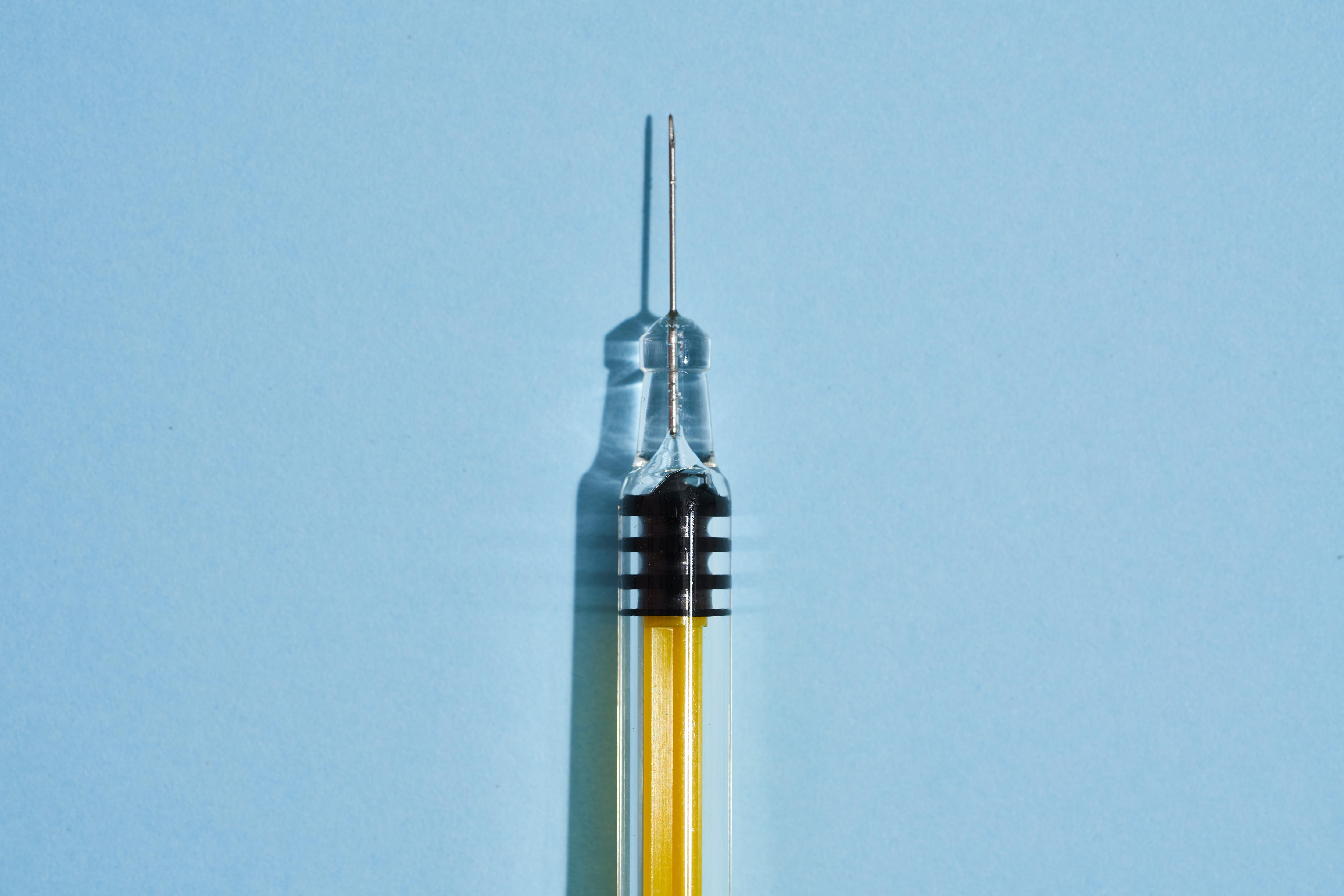
Not long after GLP-1 based drugs were made more widely available to the public for the purposes of weight loss, a series of fat-based fillers were made available to certain plastic surgeons who were experienced in working with fat. But unlike the more common procedure of autologous fat grafting — the process whereby the person’s own fat is removed by means of liposuction and injected into another part of the person’s body — these fat-based fillers are harvested from cadavers. The fat is then treated, bottled and injected into target areas in order to achieve the desired look. Though the treatment is expensive, it is becoming increasingly popular due to the “chunkier” and more “natural” look of the filler, and because the procedure doesn’t require either general anaesthesia or an extended recovery time.
Most people will instinctively recoil from the prospect of injecting cadaver fat — parts of human bodies that have been reduced to “biological material” — into one’s own body for the purposes of cosmetic improvement. There is a certain moral intuition (is there not?) that goes deeper than the mere “ick factor” and approaches the sense that this is simply too superficial a use for human bodies to be put. Organ donations and transplant feel different to us — that the “gift” of an organ from a deceased body gives life to another. The harvesting and use of fat in the service of achieving an ideal body shape feels vulgar.
But is this moral intuition fair? There are live questions about whether the family of the deceased know the uses to which the donated bodies of their loved ones are being put. Moreover, given the altruism of the act of donation itself, there is something ethically problematic about companies wanting to profit on the use of those bodies. But leave the question of consent to the side — or assume that consent was given for fat from the dead body to be used in this way — does that alleviate the ethical problems at play? Or does it merely deepen some of the concerns about the darker side of the current obsession with the aesthetics of the body?
Renae Fomiatti examines the ways we are pushing ethical boundaries in our pursuit of aesthetic self-improvement, on ABC Religion and Ethics (12 August 2026).Leah Dolan reports on the use of cadaver fat to mould bodies that have experienced GLP-1 assisted rapid weight loss, for CNN (13 July 2026). Guest: Renae Fomiatti is an Australian Research Council DECRA Senior Research Fellow in the Australian Research Centre in Sex, Health and Society at La Trobe University.