The Minefield
Ramadan: Is despair always detrimental, or can it give rise to hope? artwork

Ramadan: Is despair always detrimental, or can it give rise to hope?

The Minefield
54:27
Play episode

Show notes

The political climate over the last six months in much of the world has been undeniably dark. It’s little wonder that so many people seem to have given in to despair. The causes of this prevailing condition are numerous — they include the ongoing death and destruction in Ukraine and Gaza, the devastating return of dead Israeli hostages, the rising tide of antisemitic and Islamophobic violence, the tearing of Australia’s social fabric, the ascendancy of anti-democratic forces in the world’s advanced democracies, the seeming impotence of international and constitutional law to safeguard our ideals of justice and accountability, the waning of political determination to address climate change. Our despair stems from a sense of radical disappointment with the state of the world. It is not only that the world seems impervious to our collective aspirations for justice, peace and the protection of the vulnerable — it is as if the world rewards mere force and a casual indifference to the fragility of human life. Over the four weeks of the month of Ramadan, we will be exploring some of our responses to this radical disappointment with the world — beginning, appropriately, with despair itself. Should despair always be avoided? When it gives rise to resignation and a kind of nihilist inaction, yes. But despair can also be a morally fitting response to the preciousness of what it is that is lost or under threat. Could it even be, as Henry David Thoreau recognised, that despair can be “the slime and muck” out of which hope, like a water lily, can grow?

More from this show

More
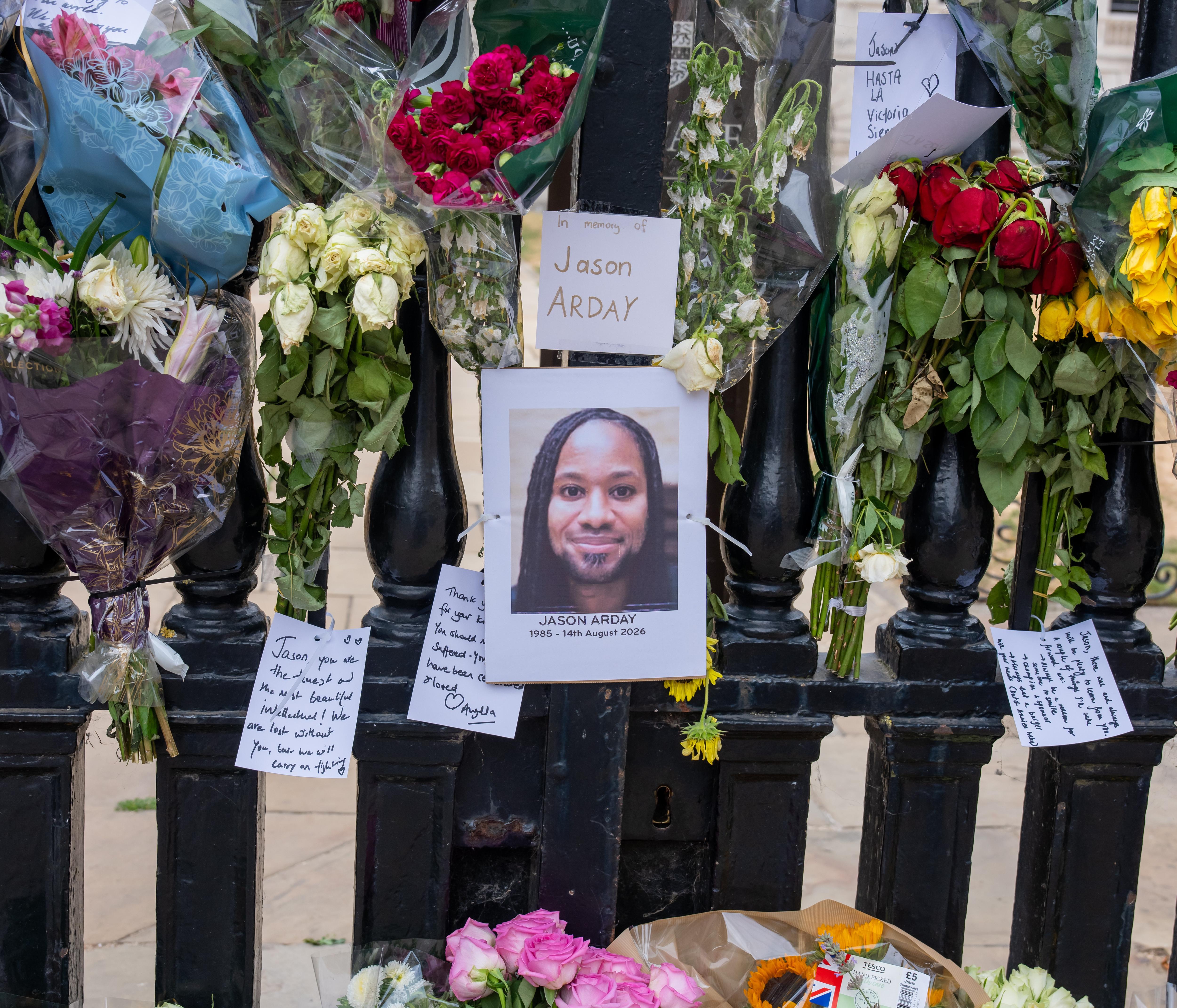
  1. What response does Jason Arday’s life, and death, morally demand?

    It is hard to imagine a series of events more tragic, more unseemly, more emblematic of the performativity and polarisation that dominate our time, than the premature rise, sudden…

    53:36
  2. Is opposition to data centres good news for democracy?

    At a time of profound polarisation, when the fracturing of media ecosystems has been so complete that any agreement on threats to our common life seems impossible, an issue has eme…

    54:36
  3. Should fat from cadavers be used for cosmetic procedures?

    The widespread availability of GLP-1 based drugs has been lauded as a “revolution in weight loss” and as inaugurating the “end of obesity”. As we’ve discussed previously, health be…

    54:36
  4. How to protect democratic politics from the malign influence of money?

    Ever since Aristotle, it has been recognised that money poses a particular threat to the integrity of political office. Ever the realist, Aristotle knew that those who seek politic…

    54:36
  5. What happens to our moral lives when we stop reading books?

    According to every available metric, the number of people who read books across almost every demographic in countries like Australia and the United States has fallen precipitously…

    54:08
  6. Do prediction markets enhance our understanding of the world or corrupt it?

    Even for those who don’t gamble, the exponential growth of online sports betting since 2018 has made it impossible to avoid. Not only have odds and ads been seamlessly integrated i…

    54:36
Now Playing