What can headcoverings teach us about individuality, dignity and modesty?
The MinefieldPlay episode
Show notes
One of the most unyielding aspects of life in the modern West is, perhaps, the ultimate value that we’ve come to accord to appearance. It is as though our essence, all that matters most about us as human beings, lies on the surface: our soul resides in our skin; how we look reveals who we truly are.
Over the last three decades, this has become especially pronounced through our various forms, not so much of self-expression as self-creation — from hair removal (or recovery) to body art, from strict fitness regimens and body sculpting through to the widespread uptake of GLP-1 weight-loss drugs.
None of these activities are wrong or detrimental in and of themselves. But when the gap between people is an ontological one — those who are self-creations are of a higher order than those who are still subject to the natural order — the result can be a hierarchy of beings whereby one is viewed with envy and the other with contempt. This can, of course, create its own drive toward conformity and belonging (experienced as an elevation in status) and the desire to escape social punishment, from shame.
Fashion can work similarly. As W. David Marx puts it:
“Fashion is a never-ending process of ‘chase and flight’. Low-status individuals chase high-status individuals by imitating their conventions, which forces elites to flee to new ones. Since this fleeing will lead to another round of chasing and then fleeing, fashion creates perpetual cultural change, with status serving as the motor.”
Again, there is nothing inherently problematic about the desire to conform — which is to say, belong — or the complex cultural demands asserted by fashion. But when it becomes a form of tyranny, the criterion by which our social status is judged, and either fashion or its fashionable refusal becomes the primary means by which we express our sense of ‘self’, the effect can have a suffocating, rather than freeing, effect on our inner life.
We partly acknowledge as much already in places like Australia in our insistence on school uniforms: for a particular period of our children’s lives, during which education, the cultivation of habits of learning, curiosity, discovery and surprise, takes precedence, we don’t want them judging others or being judged on the basis of what clothes they can afford. But taking ‘fashion’ out of the equation, we hope they will distinguish and express themselves in other ways. Which is to say: a certain denial of forms of individual expression (clothing) elevates everyone to a common level (community of learners) thereby enabling other ways to distinguish or express themselves (through the cultivation of interiority and sociality).
Within certain traditions of moral philosophy, this could find an analogue in a kind of modesty of expression: call it a commitment to non-ostentatiousness, a certain understatedness, a reticence to draw attention to oneself in order that one’s actions may not distract attention from others. It is not invisibility so much as it is principled transparency: desiring that the gracious light of one’s dignified life and actions be the means by which others are seen as worthy objects of love and bearers of dignity.
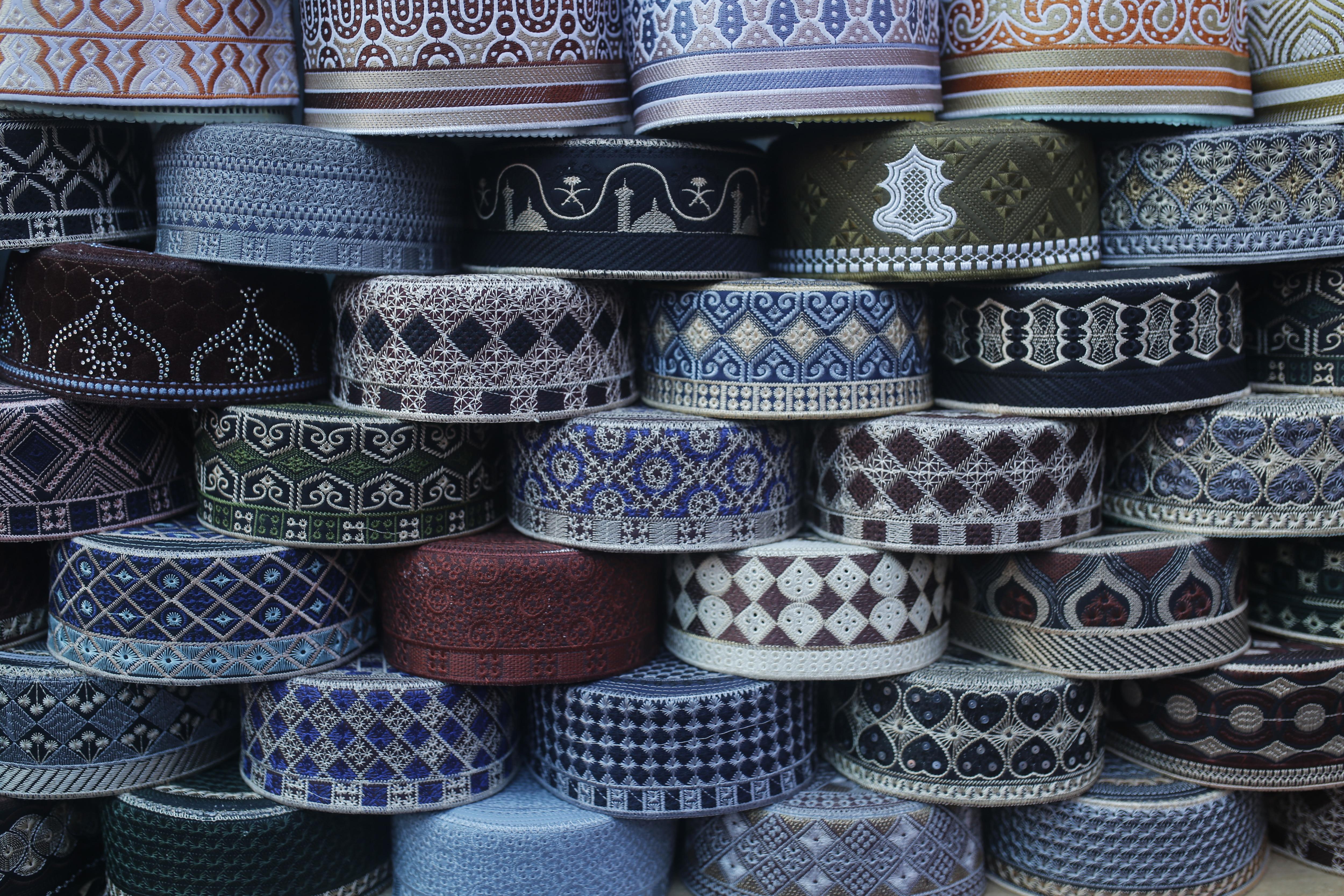
But this also has expressions in certain religious registers — as when a modest uniformity of appearance (such as the use of headcoverings, habits, robes and so on) signifies not so much the suppression of individuality as a common dedication and even the dignity of service to others or to the divine.
Could this point us in the direction of ways that the preciousness of the individual — and the richness of the interior life — can be saved from the tyranny of cultural demands for individuality?