← The Minefield
“And now for something completely different”: Why do surprises provoke laughter? artwork

“And now for something completely different”: Why do surprises provoke laughter?

The Minefield
53:34
Play episode

Show notes

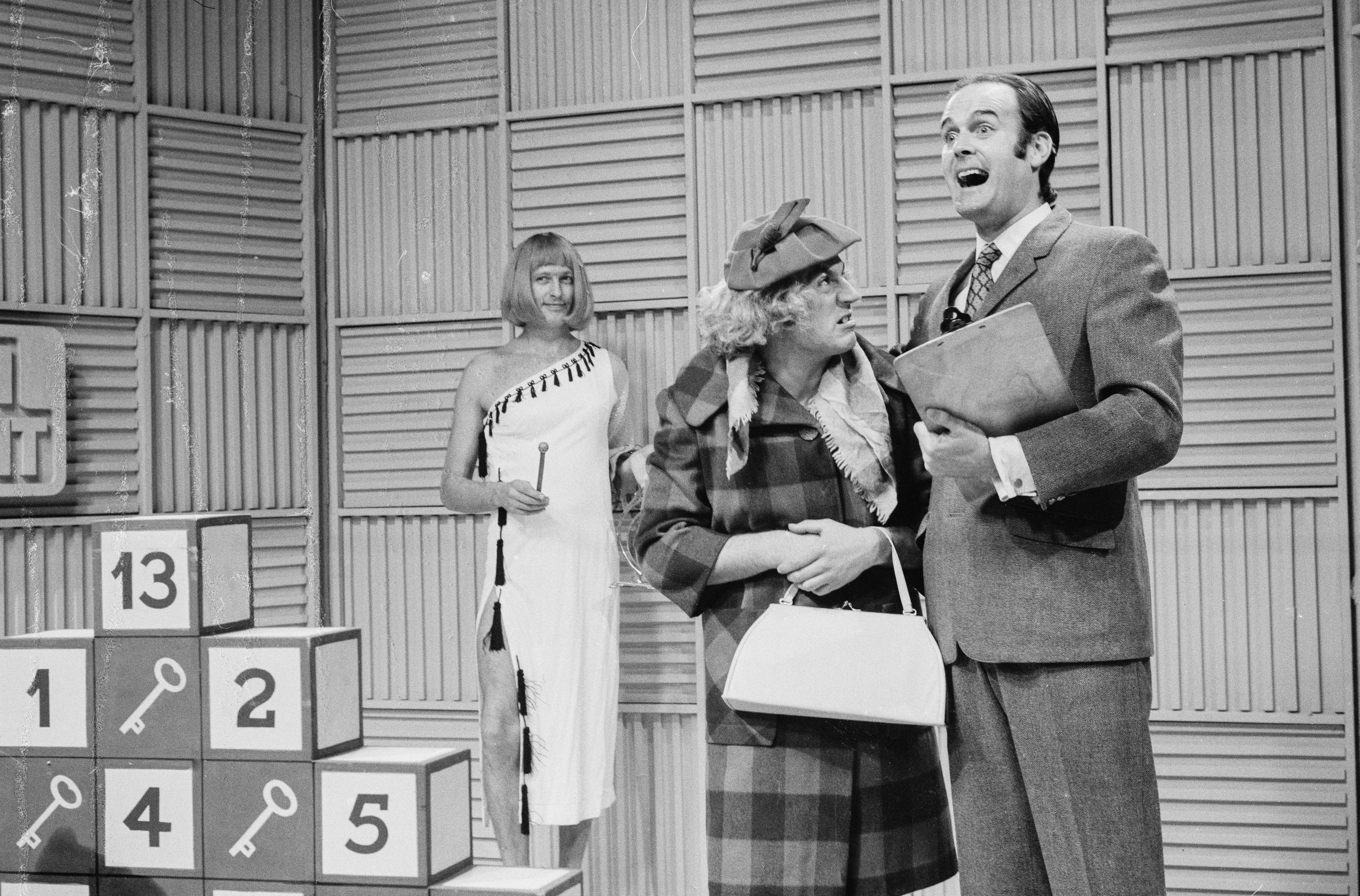
Immanuel Kant called laughter a form of the disappointment of the understanding — which is to say, surprise — for which the body then compensates: “Whatever is to arouse lively, convulsive laughter must contain something absurd … Laughter is an affect that arises if a tense expectation is transformed into a nothing.” But surprises, it turns out, come in many shapes and sizes — from a slip or a fall, to a near-miss when you expected an accident, to an uncanny coincidence where you expected randomness. Does our laughter, then, express delight at the surprise, or a desire to set things straight?


More from this show

More
  1. Why do we keep remaking films and TV shows?

    Over the last decade, the proliferation of streaming services made more movies and television series available to more people than ever before. It revolutionised what we watch (inc…

    54:40
  2. These days everything is political — is that bad for politics?

    Writing in the 1850s, at the advent of what we would come to understand as the popular press — which is to say, periodicals for mass distribution, rather than aimed at paid-up memb…

    54:36
  3. If AI can’t be brought under human control, why are we still pressing ahead?

    When the history of artificial intelligence is written, the middle months of 2026 may well emerge as a kind of turning point. For this was the period when hundreds of programs or “…

    54:36
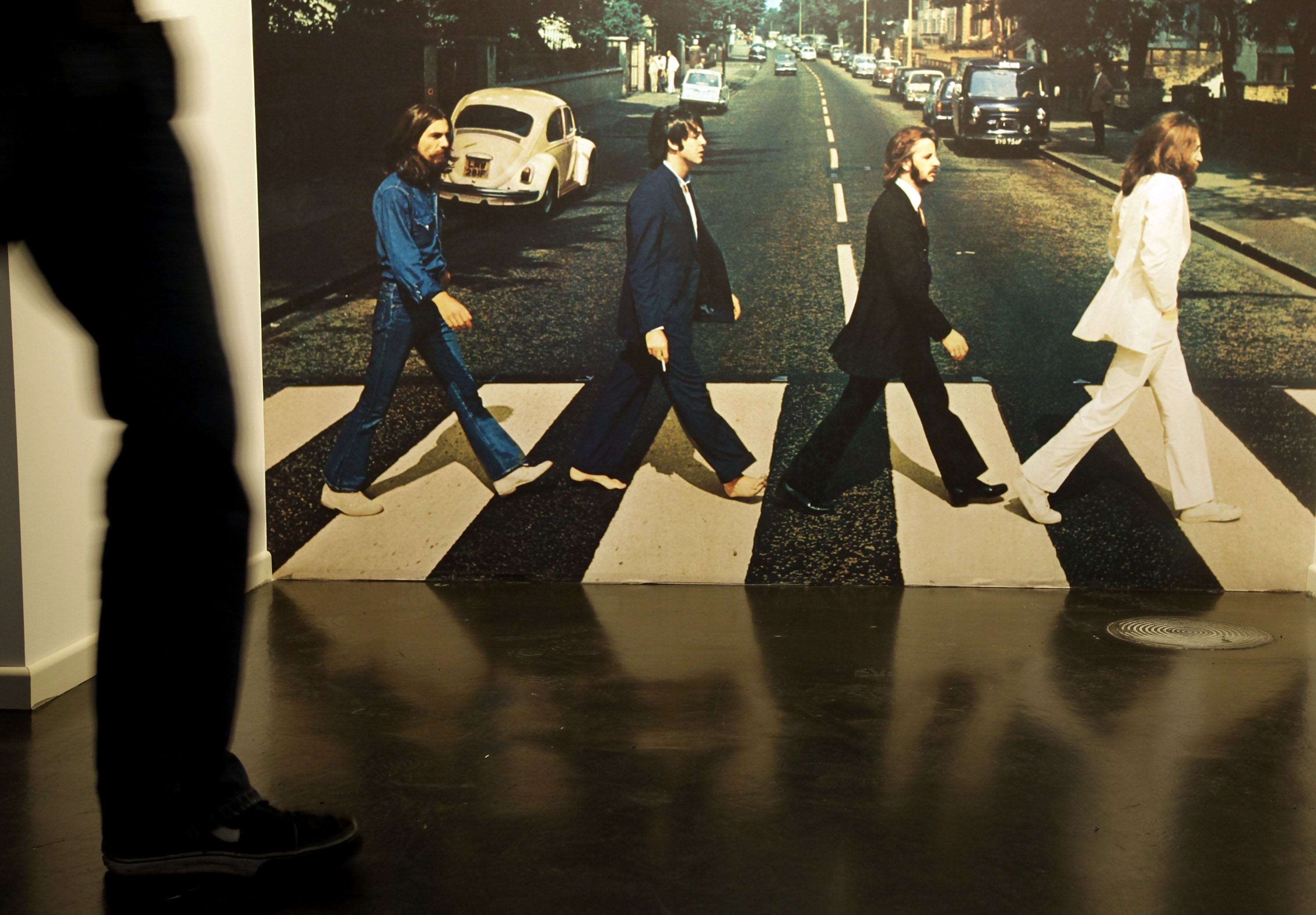
  4. Last Words: Is ‘Abbey Road’ a fitting end to the Beatles?

    In our previous explorations of famous “last words” — performances or compositions delivered with a certain end in view, with a sense of either culmination or parting, or with an e…

    54:36
  5. Does a ‘digital duty of care’ put free speech at risk?

    Evidence has been mounting for more than a decade that social media tears away at the fabric of democratic life by eroding the conditions of deliberation, shared understanding and…

    54:36
  6. Is loyalty a virtue?

    It is surely one of the more perverse achievements of modern marketing to have taken words that have a certain moral valence — which is to say, words that connote intimacy or an in…

    54:45
Now Playing