What are we doing when we vote?
The MinefieldPlay episode
Show notes
This year marks the 100th anniversary of the first federal election to be held in Australia after the passage of Senator Herbert Payne’s private member’s bill, which made voting compulsory. In 1922, only 57.95 per cent of registered voters turned out. Payne’s home state of Tasmania had the poorest showing (45.93 per cent), whereas Queensland — where voting in state elections had been compulsory since 1914 — saw the highest (82.66 per cent). As Judith Brett writes:
“It was clear that Queensland’s compulsory voting for state elections had carried over to the federal sphere, perhaps from habit, perhaps because Queenslanders didn’t distinguish between state and federal elections and thought they would be fined for not voting. Or perhaps, as advocates of compulsory voting hoped, it was because being forced to vote made people more politically aware and engaged.”
Whichever reason best accounts for the enviable voting behaviour on the part of Queenslanders, the prospect of making Australia’s federal elections more truly representative — and therefore, ideally, endow its governance with greater legitimacy — overcame lingering fears in some quarters about the violation of individual liberties.
When Australians went to the polls on 14 November 1925, not only did voter turnout jump to 91.39 per cent, but the requirement to vote did not lead to a rise in informal voting.
Voting is part of our cultural fabric, and compulsory voting — along with preferential voting and a non-partisan election commission — has saved Australia from some of the anti-democratic distortions we’ve seen in other nations.
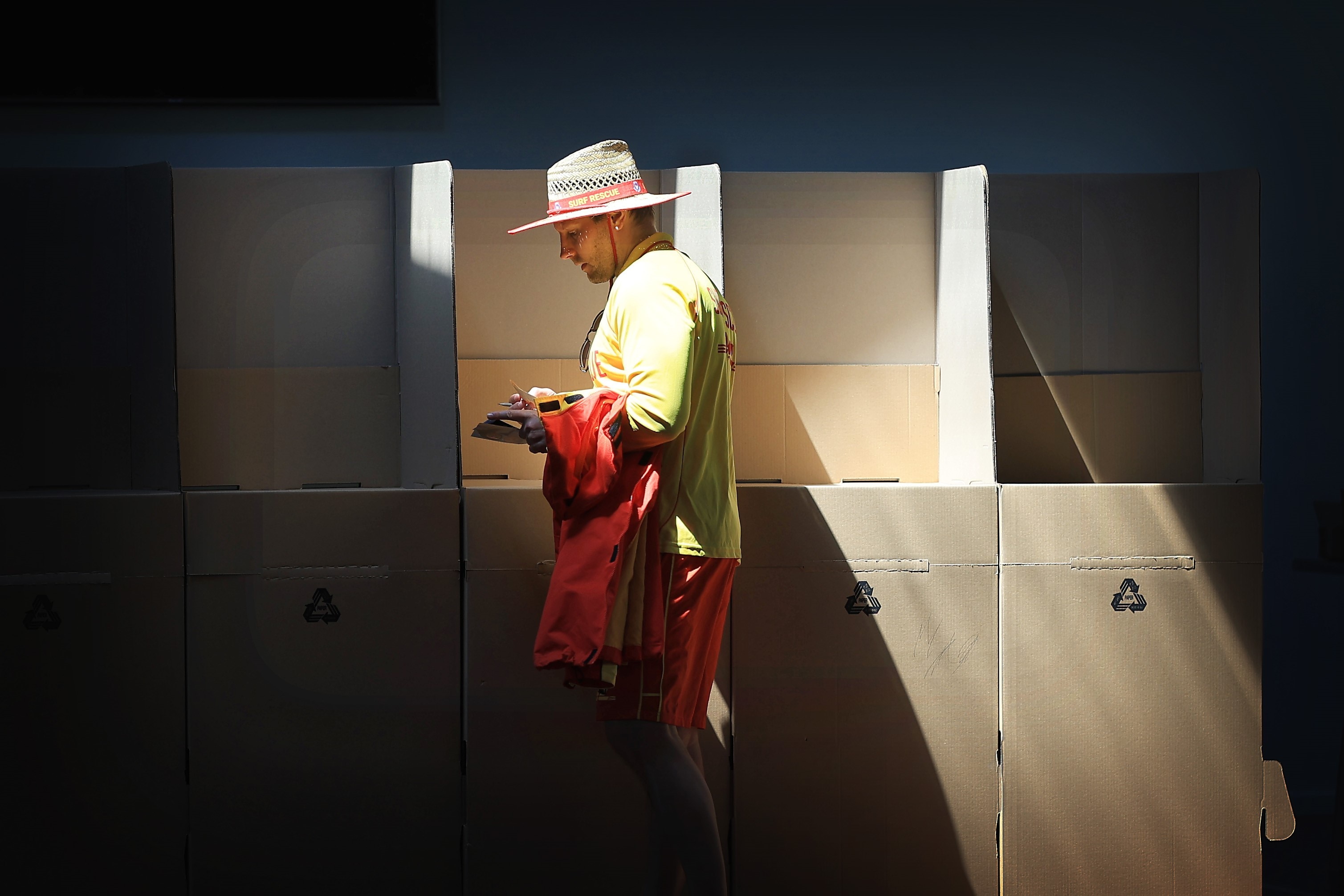
But because voting is what Australians do, how often to we reflect on what we’re doing when we vote, and what we’re communicating about power, accountability, ourselves and our aspirations for Australia?