The Minefield
What are we doing when we give gifts? artwork

What are we doing when we give gifts?

The Minefield
53:47
Play episode

Show notes

Poised as we are at the brink of our great annual festival of shopping, wrapping, giving and exchanging, we can sometimes forget just how ethically complicated the act of “gift-giving” is. In fact, those who recoil at the idea of receiving the “charity” of others, as well as those who are suspicious of the clandestine giving of gifts and doing of favours —suggesting a corrupt quid pro quo — are more attuned to this ethical complexity than those who take an unseemly delight in the prospect of “out-gifting” another. In its best forms, we like to think of gift-giving as an expression of a sense of gratitude that the other person is in the world, and that we get to share the world with them. What is meant to be communicated by such gifts, then, is the simple acknowledgement of their preciousness to us, and that our lives our bound together. Should gift-giving elicit a kind of reciprocity? After all, as Marcel Mauss recognised, gifts create forms of obligation, even indebtedness. So just as there is an ethics of gift giving, there is also an art to gift receiving. As Ralph Waldo Emerson put it, “He is a good man, who can receive a gift well”.

More from this show

More
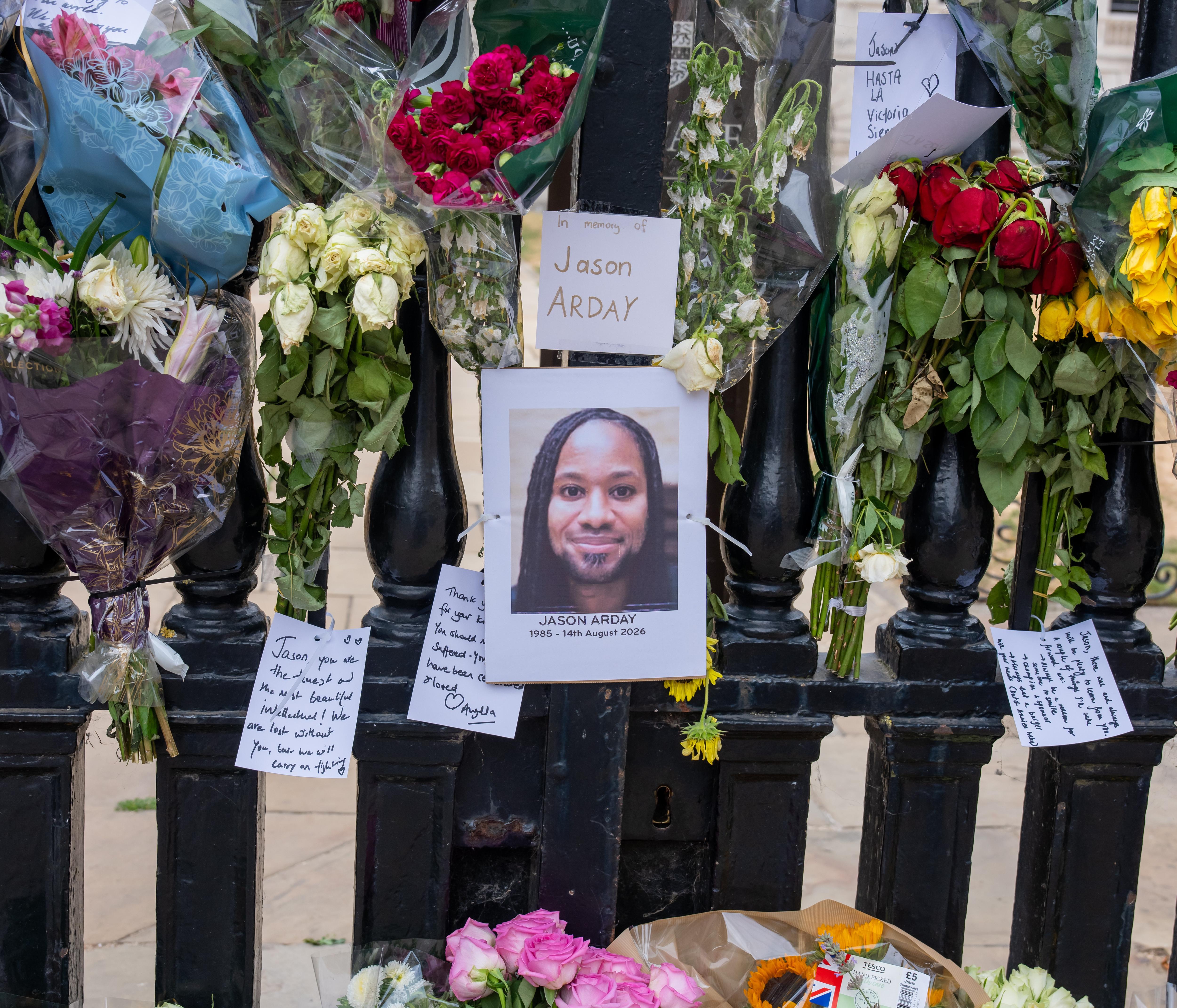
  1. What response does Jason Arday’s life, and death, morally demand?

    It is hard to imagine a series of events more tragic, more unseemly, more emblematic of the performativity and polarisation that dominate our time, than the premature rise, sudden…

    53:36
  2. Is opposition to data centres good news for democracy?

    At a time of profound polarisation, when the fracturing of media ecosystems has been so complete that any agreement on threats to our common life seems impossible, an issue has eme…

    54:36
  3. Should fat from cadavers be used for cosmetic procedures?

    The widespread availability of GLP-1 based drugs has been lauded as a “revolution in weight loss” and as inaugurating the “end of obesity”. As we’ve discussed previously, health be…

    54:36
  4. How to protect democratic politics from the malign influence of money?

    Ever since Aristotle, it has been recognised that money poses a particular threat to the integrity of political office. Ever the realist, Aristotle knew that those who seek politic…

    54:36
  5. What happens to our moral lives when we stop reading books?

    According to every available metric, the number of people who read books across almost every demographic in countries like Australia and the United States has fallen precipitously…

    54:08
  6. Do prediction markets enhance our understanding of the world or corrupt it?

    Even for those who don’t gamble, the exponential growth of online sports betting since 2018 has made it impossible to avoid. Not only have odds and ads been seamlessly integrated i…

    54:36
Now Playing