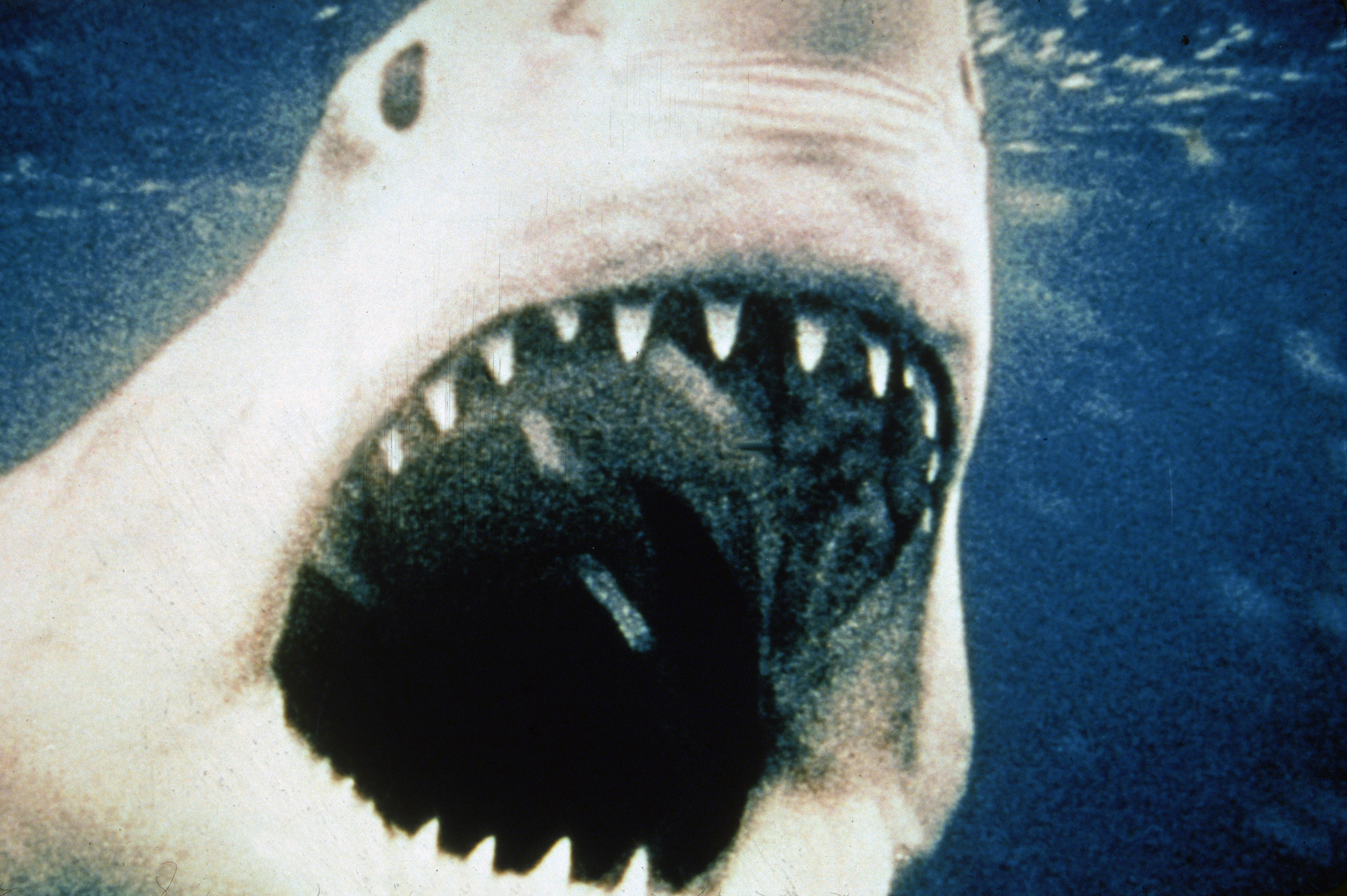
Can the cinematic genius of “Jaws” overcome its problematic legacy?
The MinefieldPlay episode
Show notes
As soon as it was published in February 1974, Peter Benchley’s novel “Jaws” was a sensation and remained on the New York Times best-seller list for over ten months. It continued to loom large in the public consciousness when, just 16 months after its publication, a 27-year-old Steven Spielberg adapted it for the big screen.
While “Jaws” was the third such best-selling novel to be made into a popular film by the mid-1970s (following Mario Puzzo’s “The Godfather” from 1969, and William Peter Blatty’s “The Exorcist” from 1971), nothing to date rivalled its commercial success and cultural influence. This had something to do with Universal Pictures’ television advertising campaign, as well as the decision to opt for nation-wide release rather than the staggered rollout which had been the norm. But there was something about the source material on which the film drew — designed as it was to both appeal to and induce a certain terror about swimming in the ocean, about venturing into an alien habitat where humans don’t belong — and the scheduled release date at the start of the summer holidays, that achieved a rare alchemy; a perfect recipe for mass appeal. And so the “summer blockbuster” was born.
The genius of Carl Gottlieb’s script and Spielberg’s directorial vision was to pare back the sprawl of Benchley’s novel — its preoccupations with class tensions, political corruption, marital breakdown, economic decline, urban crime and pollution — and reduce the story to two central planks: a monster terrorising a small sea-side town, and three men united in the effort to kill it. The movie is divided almost exactly into these halves (unlike Benchley’s novel, in which the hunt for the shark is limited to last quarter of the book).
For all this, however, it is not finally the monster that holds our attention throughout the film — the shark, after all, barely appears, and is most often suggested, by music, by the exposed dorsal fin, by the yellow barrels — but two profoundly human affects:
the vulnerability of the town itself, represented powerfully by Amity’s precarious economy and the bodies of the shark’s preferred prey — young women and children;the humanity and unlikely comradery of the three men aboard the far-too-small boat (as Roger Ebert wrote in his 1975 review, the movie works “because it’s populated with characters that have been developed into human beings we get to know and care about”).Without question, the cultural terror over the shark, which had been reduced to a “rogue” killer, a mindless “eating machine”, is one of the legacies of the film, and the impetus behind a range of disastrous anti-shark public policies. But “Jaws” also manages to hold out other lessons — about the danger of putting other priorities over public safety, about the nature of “moral panic”, and about the humanity that is required to ensure genuine threats don’t bring out the worst in us.