Are there inherent limits on what should be said in public debate?
The MinefieldPlay episode
Show notes
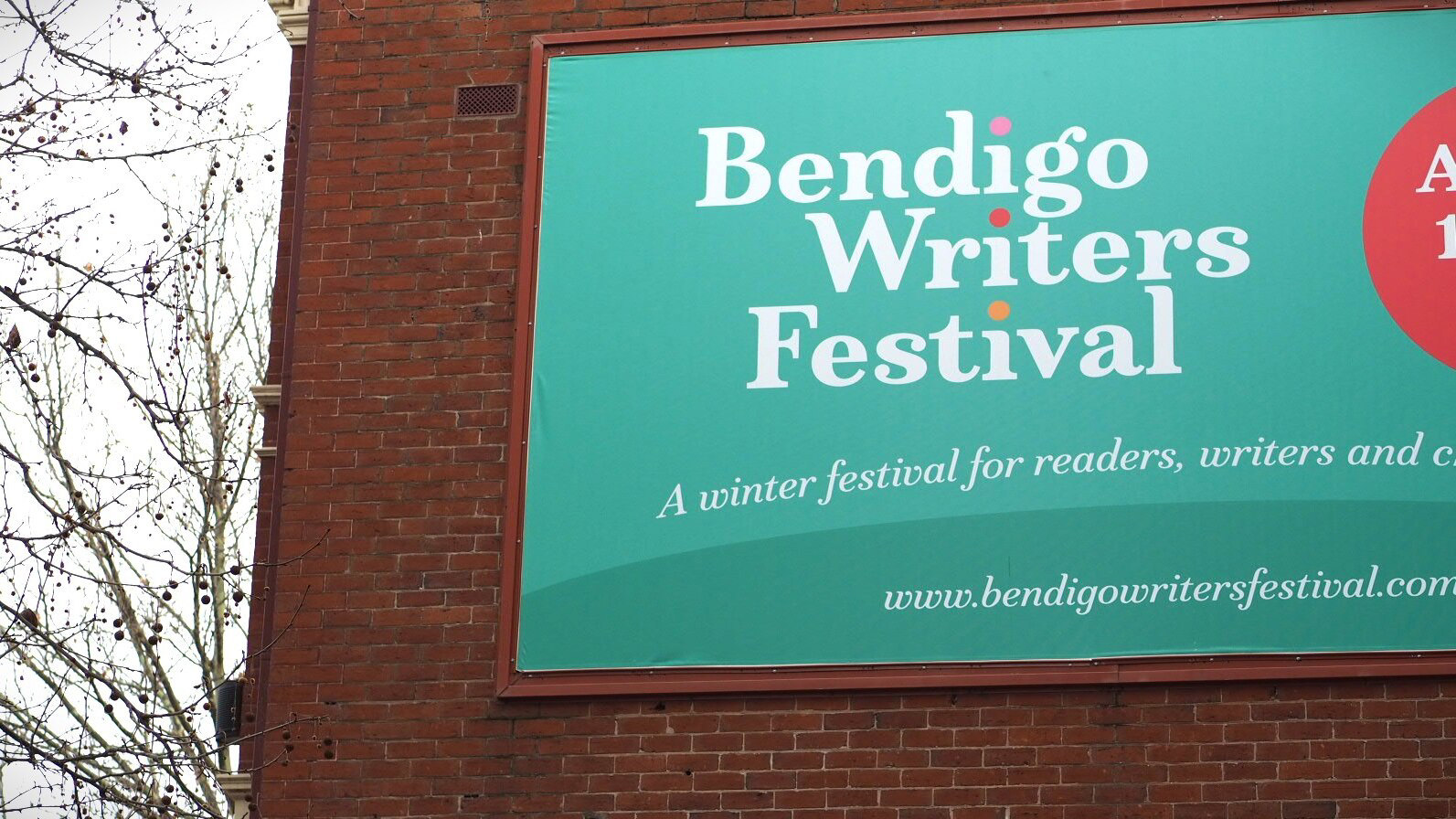
In the middle of August, the Bendigo Writers Festival found itself at the centre of a firestorm after over fifty participants decided to withdraw — some claiming they were required to engage in a form of “self-censorship”, and others withdrawing in solidarity.
Reports have it that, two days before the festival was due to open, a “code of conduct” was sent to those taking part in the one of the four La Trobe Presents panels, “urging compliance with the principles espoused in [the university]’s Anti-Racism Plan, including the definitions of antisemitism and Islamophobia in the Plan”. The code also asked participants to practice “respectful engagement” and “[a]void language or topics that could be considered inflammatory, divisive, or disrespectful”.
For many of those due to take part in the writers’ festival, this code of conduct amounted to a demand for self-censorship over what they hold to be a “genocide” taking place in Gaza, and would prevent them from criticising the actions of the State of Israel, “Zionism” as an ideology and, by extension, “Zionists”.
This is just the latest of a series of controversies surrounding Australian writers’ festivals — some of which pre-date the massacre of Israeli civilians on 7 October 2023 and the onset of Israel’s devastating military incursion into Gaza, but which have now intensified and been rendered even more intractable by those events.
The conflict in Gaza has placed severe strain not only on the relationships between Australian citizens and communities, but also on our civic spaces and modes of communication: from protests on streets and demonstrations on university campuses, to social media posts and opinion pieces. Given that writers’ festivals intersect with each of these social spheres, it is unsurprising that they should prove so susceptible to the fault lines that run through multicultural democracies.
Leaving the wisdom or effectiveness of “codes of conduct” aside, it is worth considering whether there are constraints inherent to public debate in a democracy — which is to say, forms of self-limitation and fundamental commitments that ensure the cacophony of conflicting opinions does not descend into a zero-sum contest.