Protests are a democratic right that can go wrong — how much should they be restricted?
The MinefieldPlay episode
Show notes
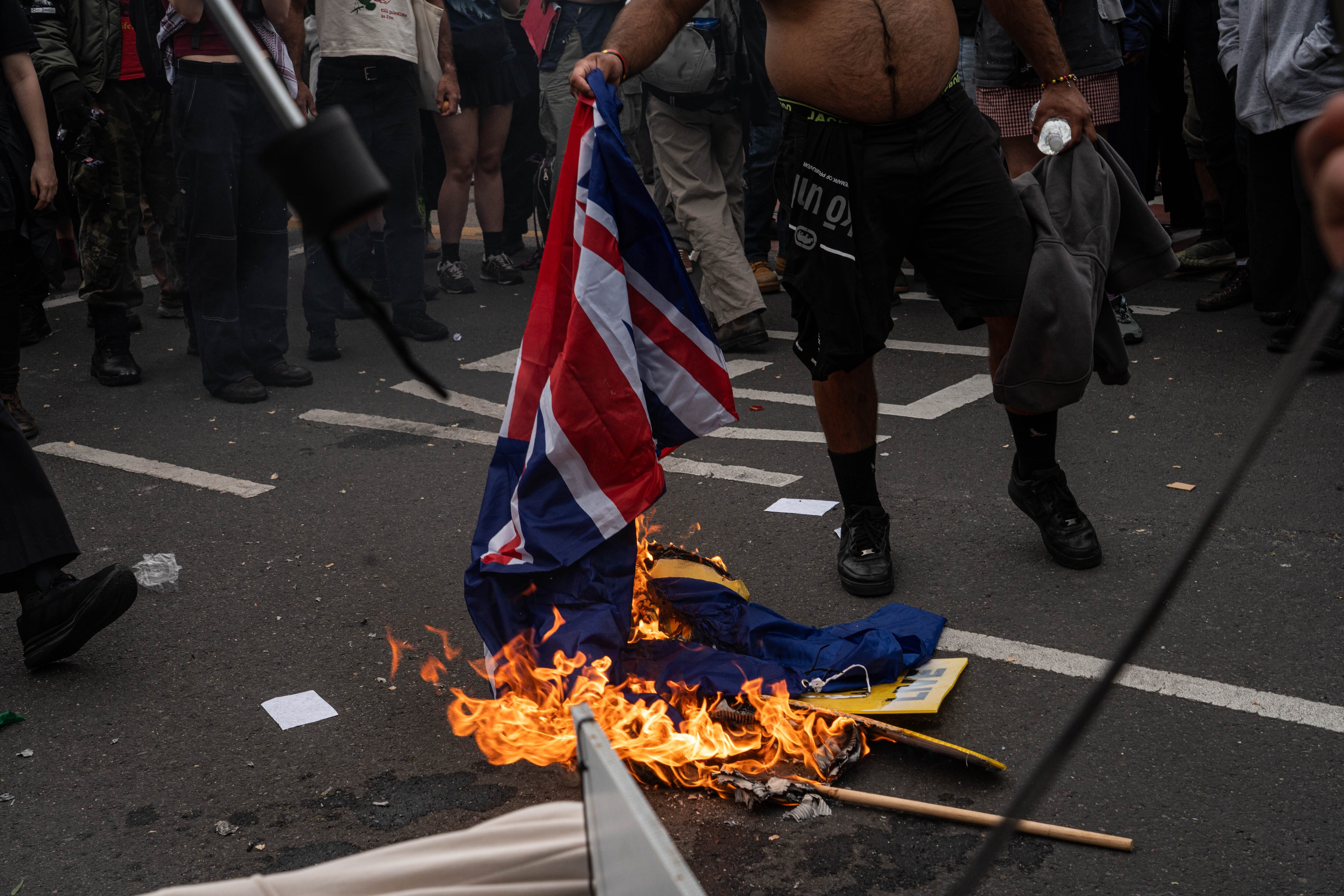
For the last two years, there has been a steady drumbeat of protests — sometimes weekly, sometimes monthly — in the centre of major Australian cities involving hundreds, thousands, tens of thousands and, in one instance, hundreds of thousands of people. The vast majority of these protests have been pro-Palestinian and opposed to Israel’s military campaign in Gaza.
But this isn’t the only cause that has brought people out onto the city streets in their hundreds and thousands. Climate activists have disrupted traffic and targeted museums, farmers and volunteer firefighters staged a large demonstration against the Victorian government’s emergency services tax, women’s rights and trans-rights activists clashed in Melbourne, a number of huge anti-immigration rallies have been held Sydney, Melbourne, Brisbane and elsewhere — and in many of these instances, the demonstrations have been a magnet to people and groups on either ideological extreme wanting to exploit the protests to further their own goals, as well as to counter-protesters wishing to offer a full-throated challenge of their own.
While these protests have only rarely turned violent, the considerable disruptions, vast logistical challenges and public safety risks they pose have meant that state governments, the police and the courts have increasingly been called upon to adjudicate whether, how and the extent to which they can be restricted. Neither the states nor the protesters themselves have gotten everything they’ve wanted — with the NSW Supreme Court finding against a law that “impermissibly burdens the implied constitutional freedom of communication on government or political matters”, and the Court of Appeals prohibiting plans for a large protest at Sydney Opera House in the interests of “public safety”.
Protests are meant to be disruptive (if they can be sequestered to some quiet corner of a city where they will bother as few people as possible, what’s the point?) and contentious (if they do not invite serious disagreement, and even confrontation, there are probably more effective means of getting the message across). Protests can also be thought of as one of the vital forms of democratic activity that take place outside of elections and without the mediation of elected representatives. They are a form of blunt, mass communication: their message is simple and confronting; and the size of gathering matters almost as much as the message (partly because of its intended audiences).
The question that is preoccupying us at the moment is: what does it mean to protect the right to protest, the freedom to express one’s dissent from the status quo, while also protecting the public against the various ways (intentionally or not) protests can turn ugly?