
The Minefield
Are we on the brink of a world without books? On Ray Bradbury’s “Fahrenheit 451” artwork

Are we on the brink of a world without books? On Ray Bradbury’s “Fahrenheit 451”

The Minefield
01:00:43
Play episode

Show notes

This is the first of two episodes recorded in front of a live audience as part of a special “Week with Students”, a collaboration between Radio National and ABC Education. Of the three great dystopian novels published on either side of the Second World War — Aldous Huxley’s “Brave New World” (1931), George Orwell’s “Nineteen Eighty-Four” (1949) and Ray Bradbury’s “Fahrenheit 451” (1953) — it is Bradbury’s vision of a future without books that can lay legitimate claim to being the most prescient. It is certainly the most relevant to us. “Fahrenheit 451” is, ultimately, a story about education. It tracks the moral awakening of an unthinking, drone-like fireman named Guy Montag, whose occupation it is not to protect properties against flames but to incinerate books. And yet the disappearance of books did not happen, in the first instance, because of state action. It all started with the steady reduction of the size of texts and a rapid increase in the rate of publication. (Bradbury might as well have been describing social media.) After that, it didn’t take much for books to be permitted to disappear altogether due to their irrelevance to the way people live. Why would you need censorship when distraction and disinterest will do the trick? But after a series of encounters with witnesses, teachers and guides, Montag is led out of darkness and into enlightenment; away from the flames that burn and toward the fire that gives warmth, companionship, sociability; away from distraction and inner-emptiness and toward contemplation, curiosity and wonder.
More from this show

More
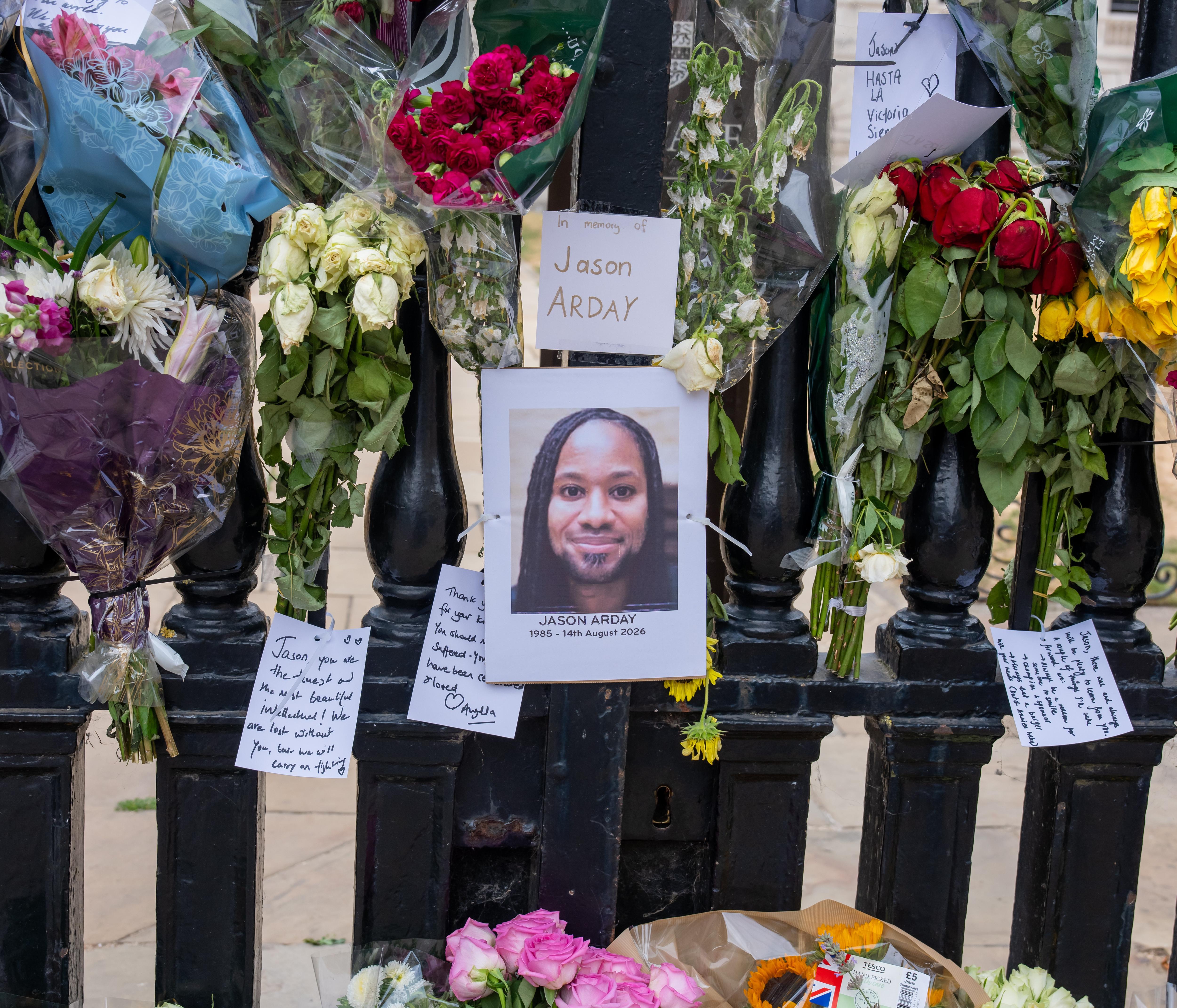
  1. What response does Jason Arday’s life, and death, morally demand?

    It is hard to imagine a series of events more tragic, more unseemly, more emblematic of the performativity and polarisation that dominate our time, than the premature rise, sudden…

    53:36
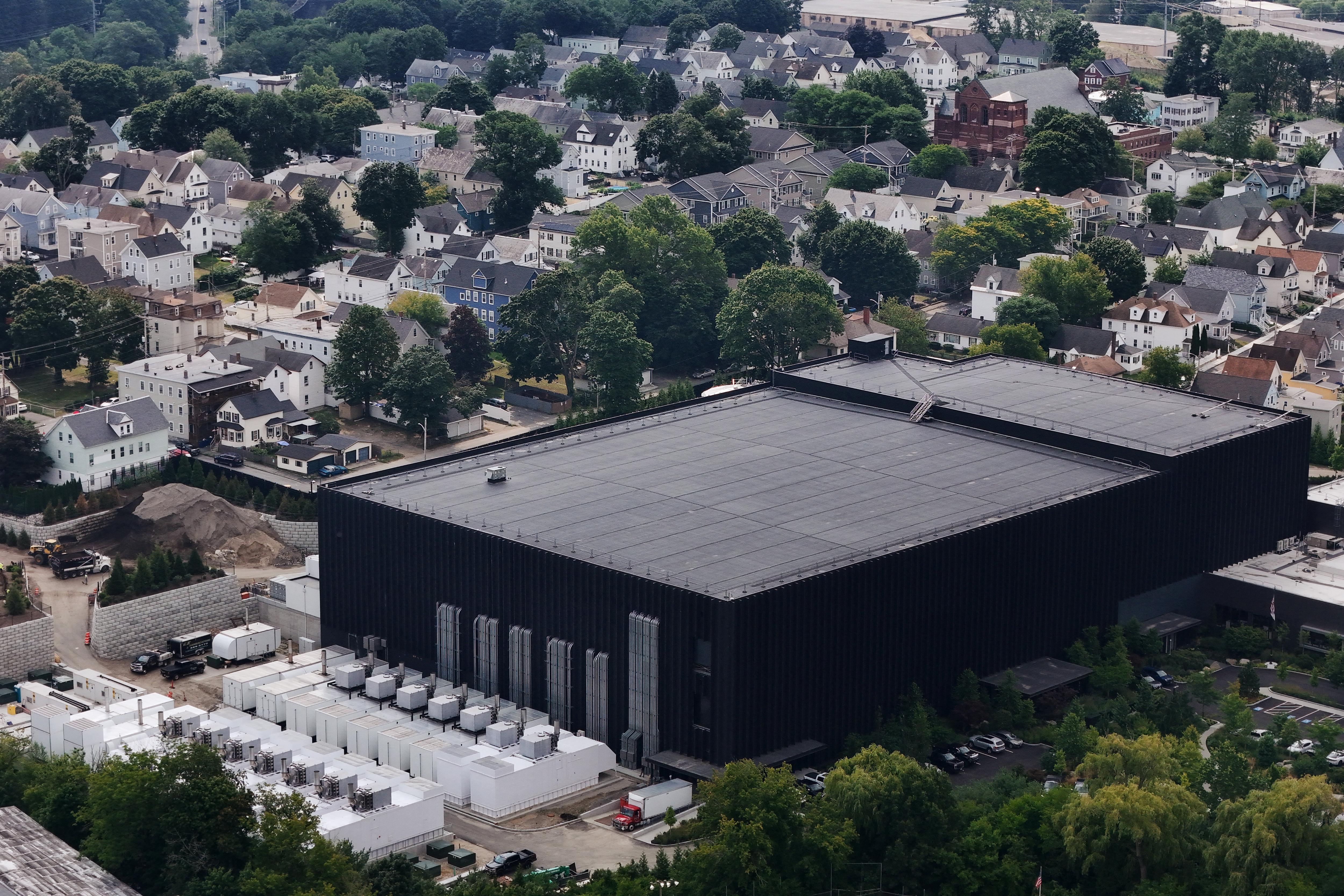
  2. Is opposition to data centres good news for democracy?

    At a time of profound polarisation, when the fracturing of media ecosystems has been so complete that any agreement on threats to our common life seems impossible, an issue has eme…

    54:36
  3. Should fat from cadavers be used for cosmetic procedures?

    The widespread availability of GLP-1 based drugs has been lauded as a “revolution in weight loss” and as inaugurating the “end of obesity”. As we’ve discussed previously, health be…

    54:36
  4. How to protect democratic politics from the malign influence of money?

    Ever since Aristotle, it has been recognised that money poses a particular threat to the integrity of political office. Ever the realist, Aristotle knew that those who seek politic…

    54:36
  5. What happens to our moral lives when we stop reading books?

    According to every available metric, the number of people who read books across almost every demographic in countries like Australia and the United States has fallen precipitously…

    54:08
  6. Do prediction markets enhance our understanding of the world or corrupt it?

    Even for those who don’t gamble, the exponential growth of online sports betting since 2018 has made it impossible to avoid. Not only have odds and ads been seamlessly integrated i…

    54:36
Now Playing
Are we on the brink of a world without books? On Ray Bradbury’s “Fahrenheit 451” — The Minefield | Josplay Music