Podcast
The History of Egypt Podcast
Episodes — page 4
 209: Ramesses II vs the Sea Peoples
Delta raiders. Decades before their famous migrations, the "Sea Peoples" were already active and visible in the eastern Mediterranean; and Ramesses II had his own dealings with the…
 208: Ramesses II The Oracle & The Sphinx
A death at Karnak, and a lion amongst men. In regnal year 1 (c.1292 BCE), Ramesses II was at Abdju / Abydos. While there, he appointed a new First Priest of Amun (Hem Netjer Tepy e…
 207: Ramesses II Shadow of Two Fathers
Ramesses had a lot to plan for, in his first year of rule (c.1292 BCE). Staying in Waset / Luxor, the new pharaoh began building work on his tomb (KV7) and his memorial temple (The…
 206: Ramesses II Usir-Ma'at-Ra
In the annals of Egyptian history there is no one quite like Ramesses II. He is arguably the most famous, or infamous, of Egypt’s pharaohs. His reign would be long (67 years!) and…
 Introducing The Ancient World - Ages
Fellow podcaster Scott Chesworth, from The Ancient World has a new season. I’m excited to introduce “The Ancient World – Ages”, a series covering the Early Bronze Age Collapse (c.…
- Scan Technology Reveals Hidden Chambers at Giza?
Approach with caution. In March 2025, a group calling itself the “Khafre Research Project” posted visual information online about the pyramid of Khafra at Giza. The group claims th…
 Egyptology News: Another Royal Tomb (at Abydos)!
News from the Field (2025) Part 2. The past excavation season has been extraordinarily productive. Beyond the new royal tomb of Thutmose II we also have a SECOND royal tomb, at Aby…
 Thutmose III & Hatshepsut: The New Kingdom Defined with Prof. Aidan Dodson
The new royal tomb, and how two 18th Dynasty rulers defined the "New Kingdom" as we know it. Prof. Aidan Dodson is a dedicated and prolific scholar, whose research covers many face…
 Egyptology News: The Tomb of Thutmose II Discovered, with Dr. Chris Naunton
News from the Field 2025, Part 1. In February 2025, the breaking news was the discovery of a royal tomb. An archaeological mission working in Luxor are confident they have located…
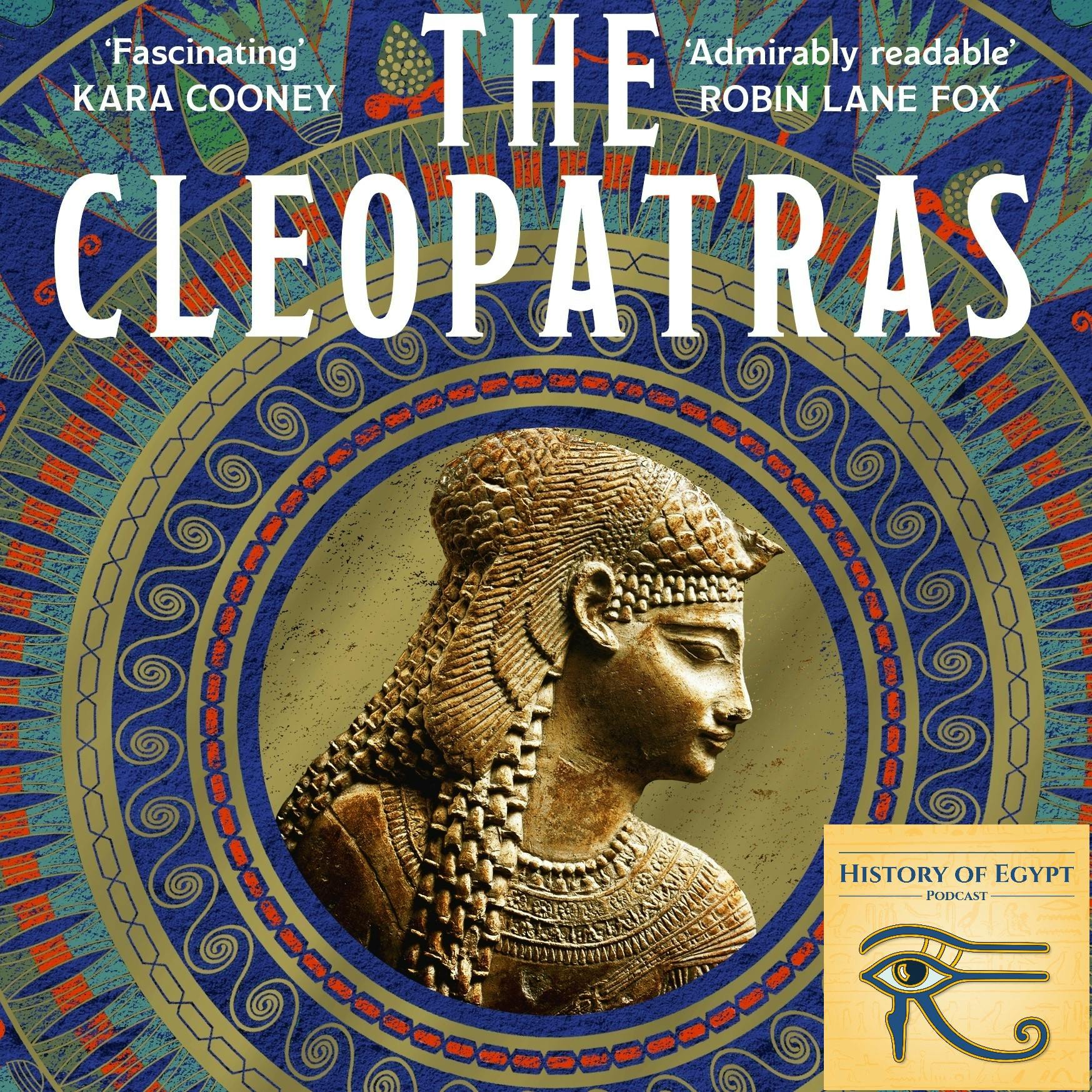 Cleopatra (All Seven of Them) with Prof. Lloyd Llewellyn-Jones
Recorded May 2024. A name more famous than its owners. The Cleopatras of Egypt (all seven of them) were remarkably influential women and rulers. Frequently taking up power and resp…
 Kara Cooney: Coffins of the Pharaohs
In 1881, a remarkable discovery took place in Luxor, Egypt. In the hills of Deir el-Bahari, a secret tomb held the reburied mummies of Egypt’s famous pharaohs. Figures like Sety I,…
 Sety's Borrowed Coffin with Dr. Peter Lacovara
The coffin of Sety I (now in the NMEC) was probably reworked from an earlier piece, during the reburials in DB320 (the royal cache). But how can we tell? Dr. Peter Lacovara explain…
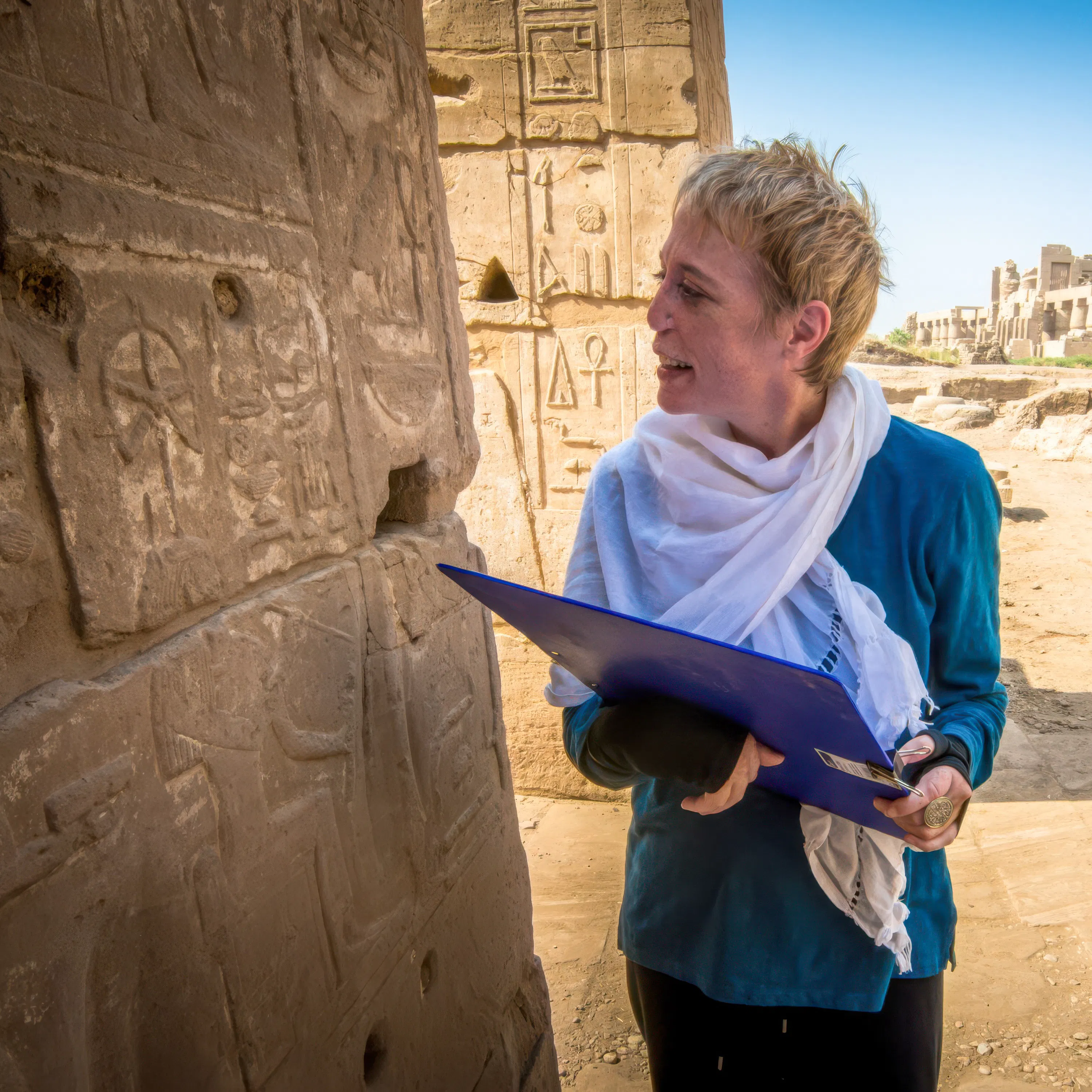 Ramessid Biographies with Prof. Elizabeth Frood
Elizabeth Frood is Associate Professor of Egyptology and Director of the Griffith Institute at the University of Oxford, UK. In a lively discussion, Dr. Frood shares her insights i…
 205: Sety I The Finest Tomb
Sety’s royal burial. Valley of the Kings tomb 17 (KV17) came to light in October 1817. Discovered by a team of Egyptian workers, employed by Giovanni Belzoni, the tomb is the most…
- 204: Sety's Last Journey
After a reign of approximately eleven years, the Horus Men-Ma’at-Ra (Sety I) passed to the west. He died in reasonably good health, and studies of his mummy reveal a tall, physical…
 203: Rise of a Vizier
Paser, servant of Sety I and Ramesses II (c.1300--1270 BCE). In the later years of his reign, King Sety promoted one of his servants to the highest political/government office. Pas…
 202: A Valley of the Queens & The Womb of Hathor
The Place of Beauties (Ta-Set-Neferu). In the reigns of Ramesses I and Sety I (c.1304—1292 BCE), the Valley of the Queens finally earned its moniker. Having been a burial ground fo…
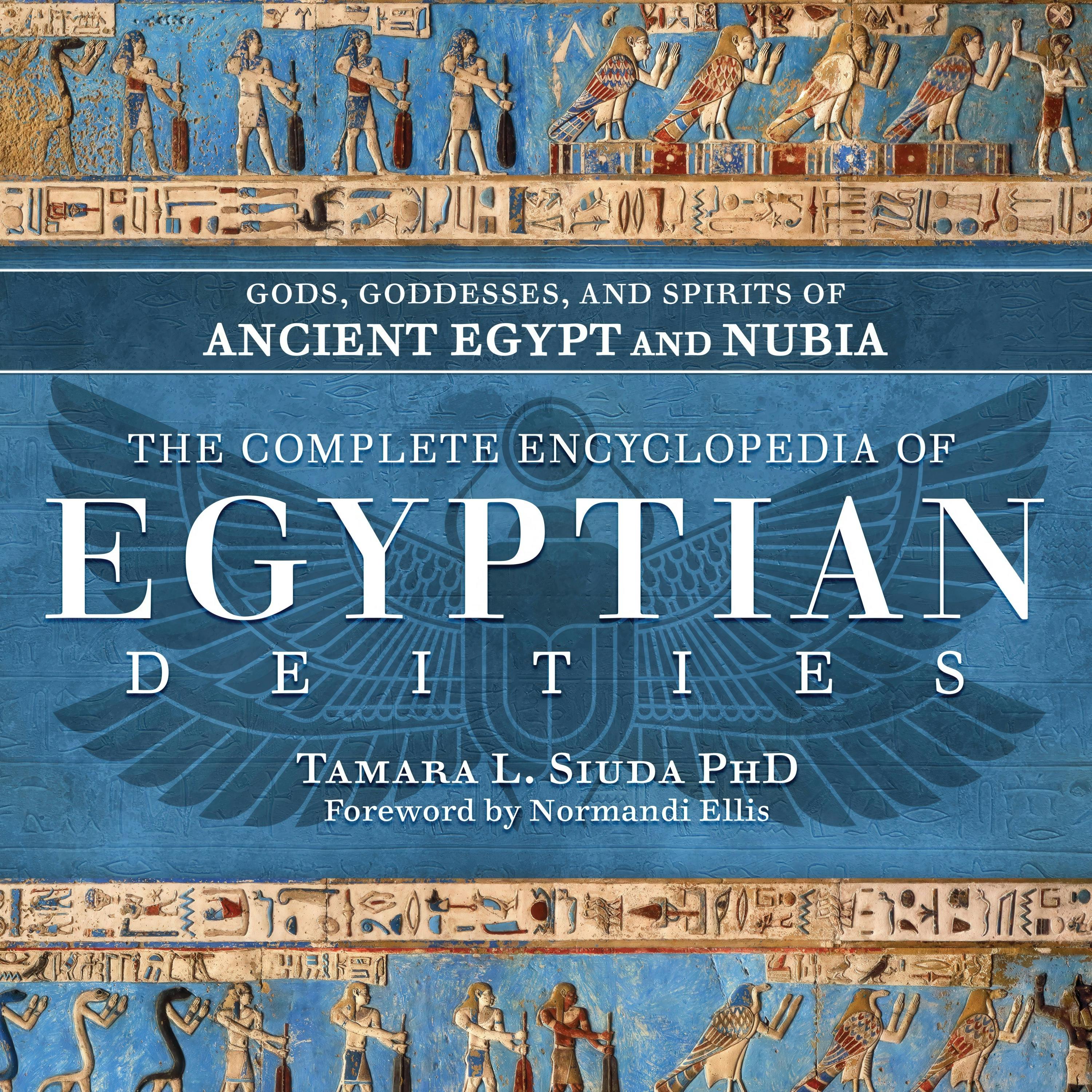 A Memory of Gods with Dr. Tamara Siuda
Understanding the deities requires us to move beyond inherited preconceptions and prejudices. Fortunately, there are many gods worthy of the effort. From the deified Sphinx Horemak…
 201: When Hathor Destroyed the World (The Book of the Sky Cow)
The Book of the Sky Cow. In the waning years of the 18th Dynasty (the reign of Tut’ankhamun) royal artisans began decorating tombs and funerary equipment with a new text. Sometimes…
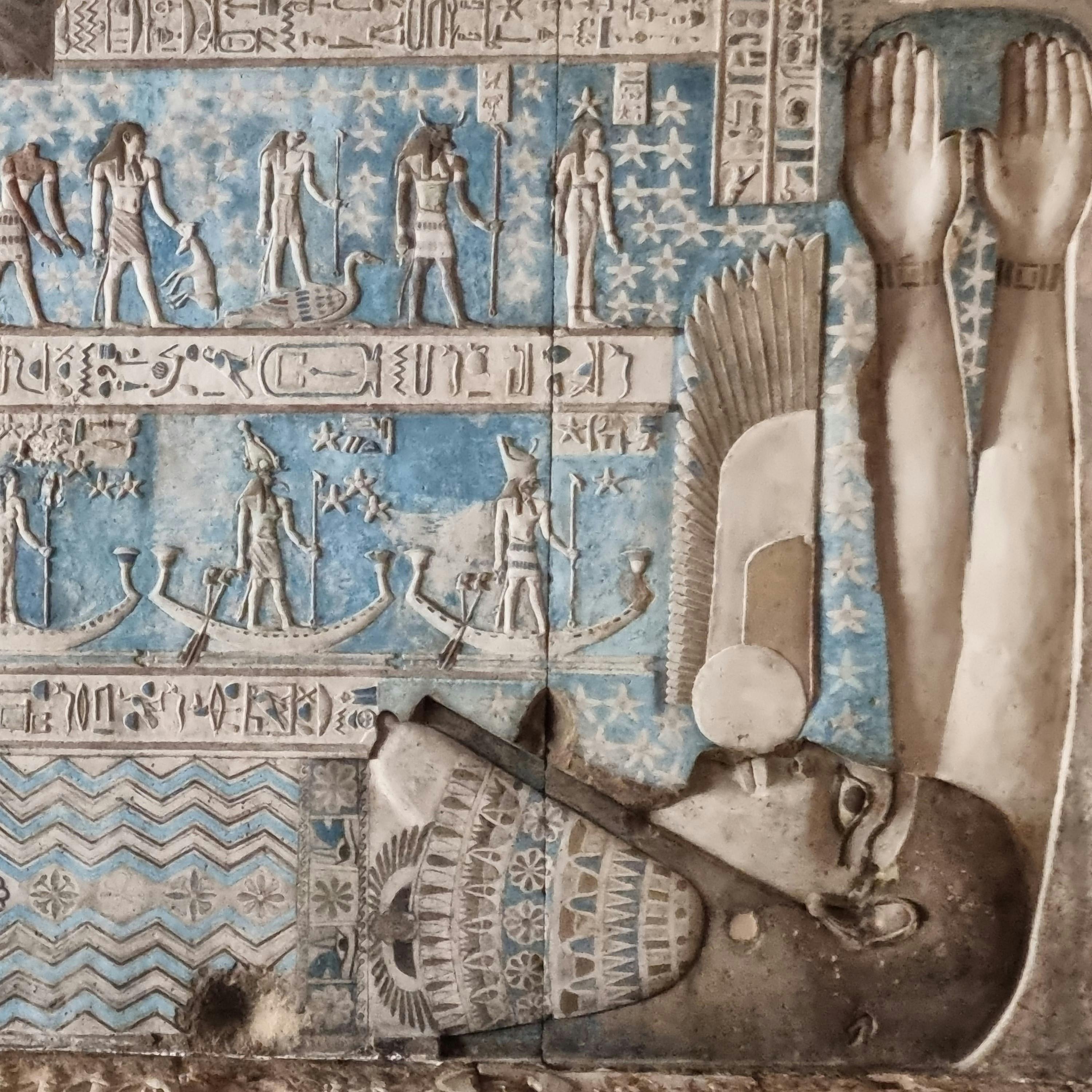 Dendera: Temple of Time with José M. Barrera
Hathor's temple at Dendera is one of the best in Egypt. Constructed in the late 1st Millennium BCE (but with roots stretching back to the Old Kingdom), Hathor’s house preserves ama…