Podcast
The History of Egypt Podcast
Episodes — page 11
 129: Amarna, the Hard-Knock Life
Child labour, plague, and dark deeds at Amarna. By regnal year 14 (c.1349 BCE) Akhenaten's capital city had grown to almost thirty thousand people. This massive growth carried a pr…
 Amarna Sunset with Prof. Aidan Dodson
Royal Tombs, Amarna, Egyptology. Prof. Aidan Dodson has been in the game many years, and has published widely on a variety of topics. From his best-selling Amarna Sunset, Amarna Su…
 128: True Crime KV55 (DNA, CSI... etc)
The Mysterious Mummy. In this episode, we visit the historical crime scene known as Valley of the Kings tomb number 55. KV55 is easily the most analysed, debated, and confounding f…
 127: Meket-Aten and Smenkh-Ka-Re
Two Funerals and a Wedding, Part 2. In 1350 BCE the royal house of Egypt was in crisis. The princess Meket-Aten, just eight years old, was the second prominent person to die in a s…
 126: The Death of Queen Tiye
Two Funerals and a Wedding, Part 1. Around year 12 of Akhenaten, the Queen Mother Tiye died. She journeyed to the West at the age of 60, having been a powerful influence for more t…
 125: Amarna, The House of Meritaten
A Princess of Egypt. By 1351 BCE, princess Meritaten was approximately ten years old. The pharaoh's eldest daughter was front and centre of propaganda. But what was her life like?…
 124: Akhenaten vs Amurru (Part 2) The Crimes of Aziru
Diplomacy, Betrayal, Murder. Around 1350 BCE, the sons of Abdi-Ashirta inherited his power and began to pursue further conquests. Along the way, they committed several heinous crim…
 123: Akhenaten vs Amurru (Part 1) Rogue Nation
Abdi-Ashirta and the Rise of Amurru. In the later years of Amunhotep III (father of Akhenaten) and the early years of Akhenaten himself, events in the north began to trouble the ro…
 122: Daily Life in Ancient Egypt, Letters from Akhet-Aten
A Man Living Alone. In the midst of Akhenaten's whirlwind reforms, and his radical decisions, it's easy to forget the impact this probably had on ordinary people. How did the folks…
 Amarna International: The Cosmopolitan World of Akhenaten's Egypt
Part 1: Egypt, Canaan, Babylon, Assyria. In the 14th Century BCE, travellers criss-crossed the world. Many came to Egypt for diplomacy, trade, and to live. In this episode, we expl…
 121: Akhenaten, King of the World (Festival of Tribute)
Akhenaten (Part 11). By 1351 BCE, Akhenaten had achieved many of his early goals. His city, Akhet-Aten, was established, his religious ideas were reaching maturity, and the King co…
 120: Queen Tiye, Reverend Mother
Akhenaten (Part 10): Queen Tiye's Retirement. For the first decade of Akhenaten's rule, his mother Tiye was a background figure. But we have more evidence for her later years than…
 The Doomed Prince (An Ancient Egyptian Fairytale)
Ancient Fairytales (Part 2). Sometime in the 18th Dynasty, perhaps around the time of Akhenaten, a fairy-tale became popular in Egypt. The story spoke of a prince, forced to flee h…
 The Tale of Two Brothers (An Ancient Egyptian Fairytale)
Ancient Fairytales (Part 1). In the late 18th or early 19th Dynasties, a story developed in Egypt. It told of two siblings, Anubis and Bata, who contended with injustice and misfor…
 119: Was Tutankhamun Akhenaten's Son?
Akhenaten (Part 9): A Royal Son. By 1352 BCE, Akhenaten and his family were well ensconced in the palaces of Amarna. The pharaoh could enjoy the company of his Great Wife, Nefertit…
 118: The Temples of Aten
Amarna (Part 5): Great Temples. When he established his new residence-city, Akhenaten made special provision for his god’s house. Two great temples, dedicated to the solar disc, ro…
 Akhnaten (a MetOpera Cast Interview)
In 1983, Philip Glass debuted his opera Akhnaten, a bold musical exploration of the pharaoh, his reign and his legacy. Now, Akhnaten returns in a new run. Akhnaten by The Metropoli…
 117: Where Did Akhenaten Get His Ideas?
Precursors to Atenism. The god Aten has a long history; and in the 18th Dynasty, many Egyptians were praising the sun god in a variety of forms (Ra, Atum, Horakhty, Aten, Khepri et…
 116: Akhenaten's Great Hymn
Akhenaten (Part 7): The Great Hymn to Aten. In 1356 BCE, Egypt sweltered under the heat of Aten's rays; the god's servant, King Akhenaten, glorified the deity above all. We see thi…
 Tomb Builders of Amarna
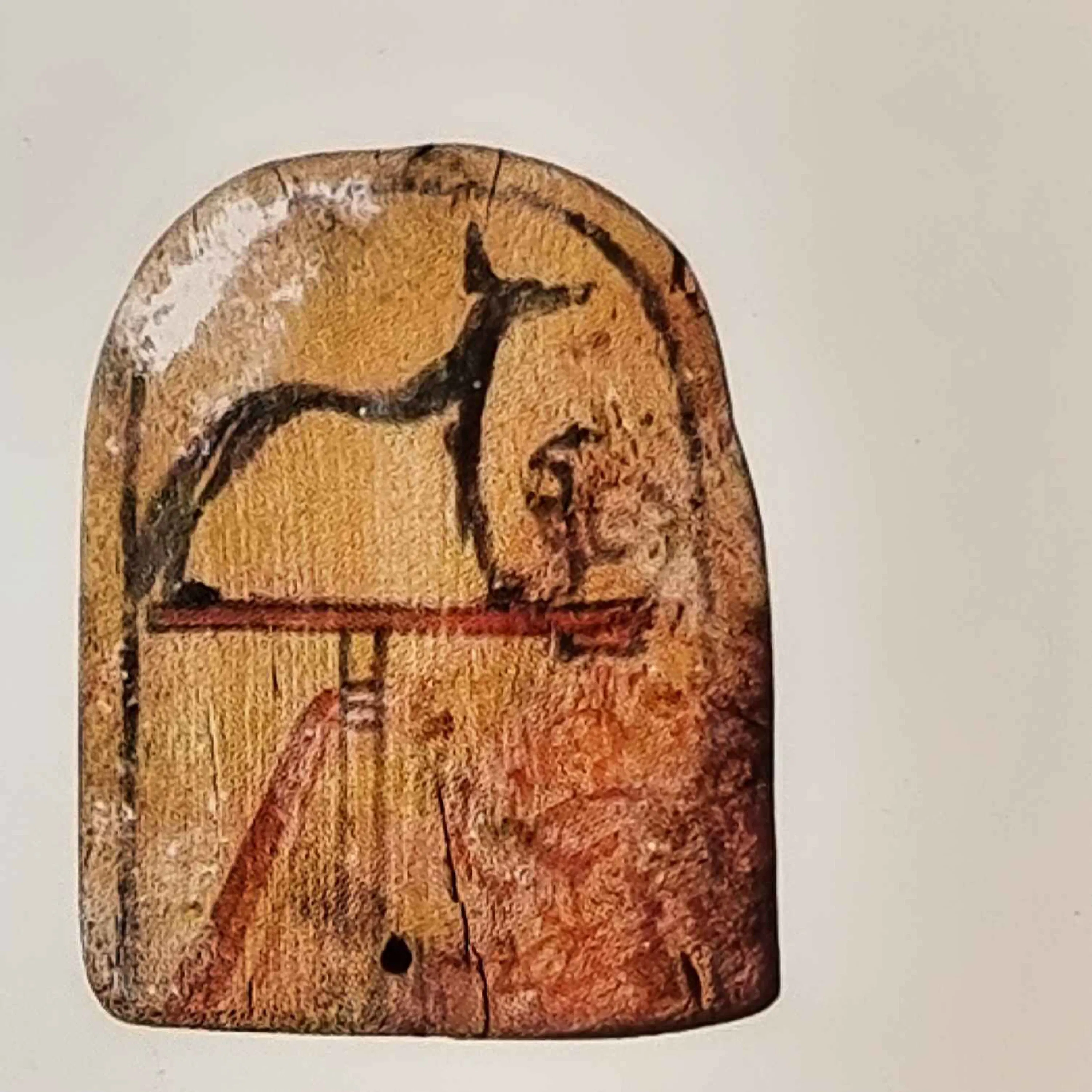
Amarna Tales (Part 1). East of Akhet-Aten (Amarna), a walled-village hides among the hills. This "East Village" is a well-ordered, secluded community. It seems to be the new home o…