Colonialisme belge : l'émergence d'un traitement différencié des travailleurs congolais
The Eastern Congo InsiderPlay episode
Show notes
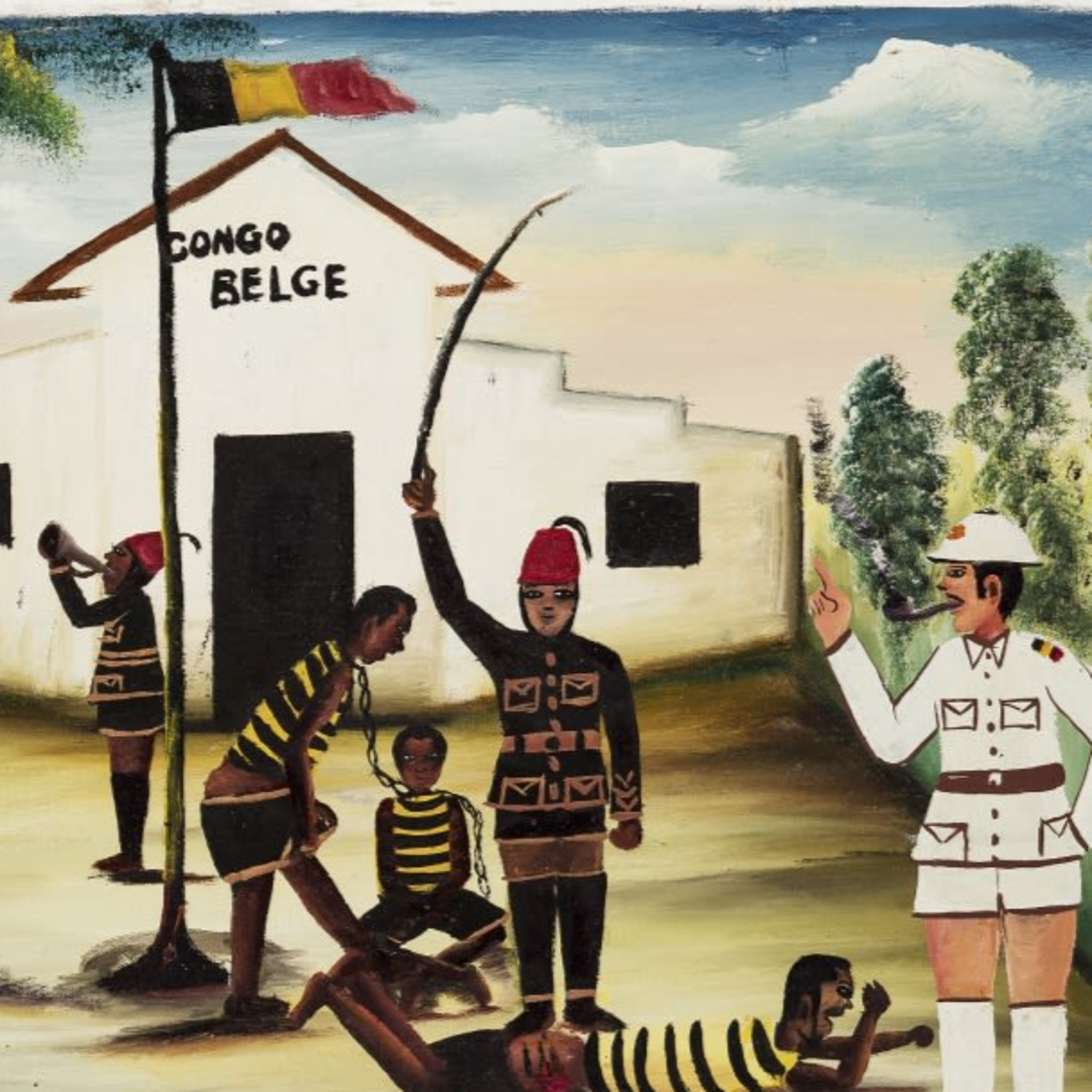
#Belgian #colonialism in the #Congo began with King #Leopold II and his ambition for national grandeur and economic benefit, framed under the guise of a #civilizing mission. The Congo Free State was established, characterized by the exploitation of resources like rubber, often through brutal forced labor and violence against the Congolese population. Despite international condemnation and the facade of fighting slavery, the conditions for Congolese workers were dire.
Growing international criticism and scrutiny eventually led to Belgium annexing the Congo, creating the Belgian Congo. While there was a formal move away from the most overt forms of forced labor, a differentiated legal system persisted, with #Congolese people often subject to customary law and facing limitations in their rights compared to #Europeans.
Under Belgian rule, the economic interests of private companies became dominant, particularly in the mining sector. Forced labor continued in various forms, including for public works, and the working conditions, especially in mines, were often harsh. In rural areas, mandatory agricultural cultivation was imposed. Resistance movements emerged, sometimes influenced by religious or tribal structures and later by socialist and nationalist ideas.
Despite some paternalistic policies and efforts to improve healthcare, the fundamental power imbalance and economic exploitation persisted. The rise of Congolese nationalism and labor movements in the mid-20th century, coupled with changing international dynamics, ultimately led to the Congo's independence in 1960. However, the legacy of colonial exploitation and the differentiated treatment of #Congolese people left a lasting impact.