Podcast
Particles of Thought
Episodes — page 2
 AI Origins
Daniela Rus is cutting through the AI hype and headlines to give us a real understanding of its future. As Director of MIT's Computer Science and Artificial Intelligence Laboratory…
 AI Robots
Daniela Rus has built a robot you can swallow, and that is one of the less surprising things her lab is working on. At MIT's CSAIL, she is leading research at the frontier where ar…
 When AI Escapes the Data Center
Daniela Rus wants to put AI in your pocket, your car, and your dishwasher. In fact, she has already started. As one of the world's leading AI and robotics researchers, she is build…
 Full Interview: Anxiety Hacking
Wendy Suzuki hopes you have anxiety—good anxiety. She thinks that feeling you try to avoid could actually be your edge! Wendy joins Hakeem to explore how anxiety can be harnessed,…
 Your Brain Needs Friends
Wendy Suzuki says the key to a beautiful brain is friendship, and she joins Hakeem to discuss why human connection can extend your life. By studying certain animals, like prairie v…
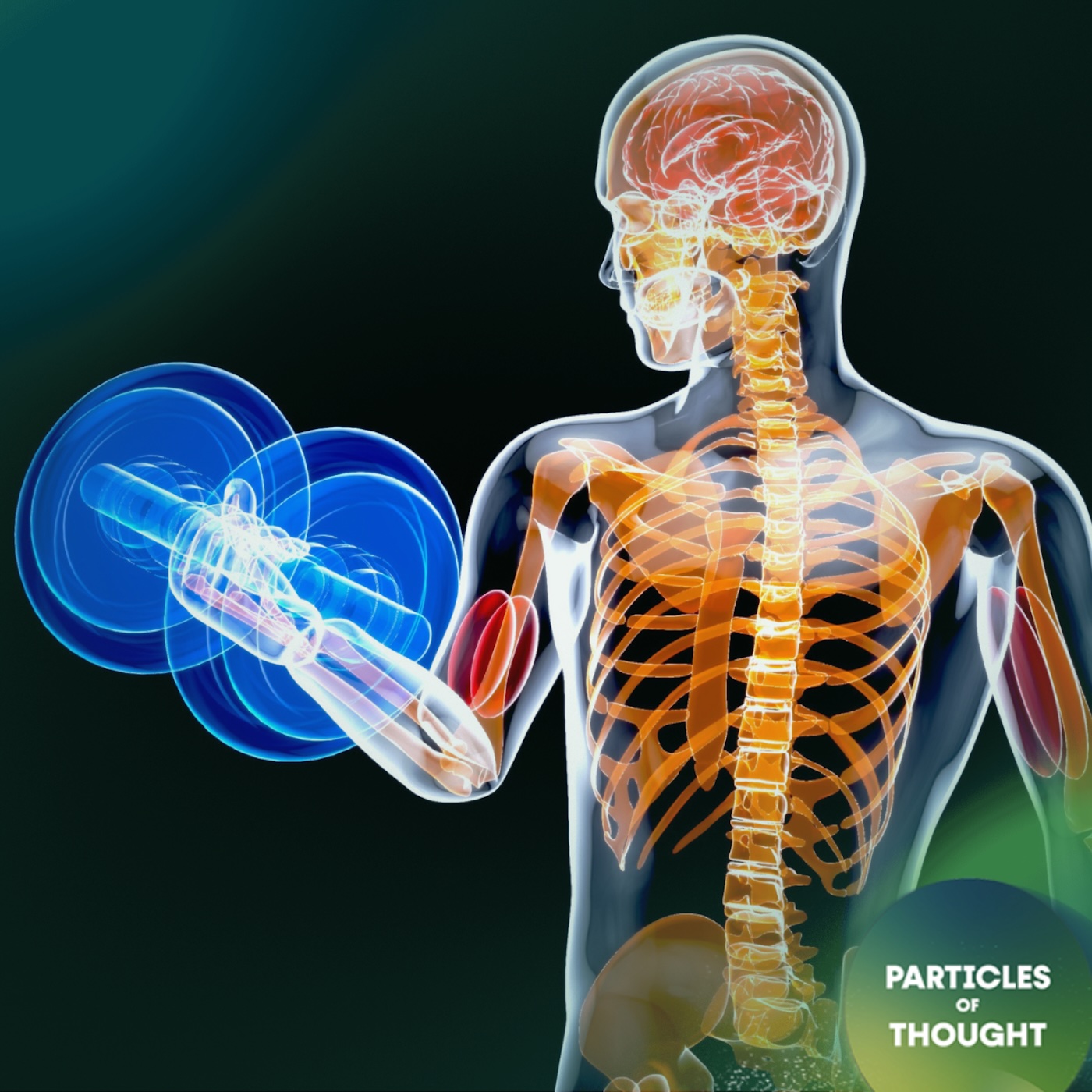 Neuroscience of Exercise
Wendy Suzuki says just 10 minutes of movement can change your brain.But how? What’s actually happening in your head during a walk—or a workout—and why does it matter so much? Wendy…
 Good Anxiety
Neuroscientist Wendy Suzuki thinks your anxiety could be a superpower. What if you stopped trying to shut it down—and started using it? Wendy joins Hakeem to reframe anxiety as fue…
 Full Interview: T. rex to Birds
Steve Brusatte has the dirt on dinosaurs and joins Hakeem to trace the full 100-million-year history of the tyrannosaur dynasty, the asteroid that ended it, and the remarkable trut…
 Real World vs “Jurassic World"
Steve Brusatte, a real paleontologist, contributed to the Jurassic World franchise, but what really happens when science meets cinema? In this episode, Steve joins Hakeem to discus…
 How Birds Survived the Asteroid
Steve Brusatte knows every bird today is a living dinosaur, and as a paleontologist, he can tell you how that happened. Steve joins Hakeem to walk through the catastrophic asteroid…
 T. rex Family Secrets
Steve Brusatte says T. rex wasn’t always the king, and as a paleontologist, he has spent his career uncovering how it got to the top of the food chain. Steve joins Hakeem to trace…
 Full Interview: Dark Matter = Black Holes?
David Kaiser thinks the dark matter puzzle is getting closer to being solved. Nearly a century of observations, from galaxy clusters to the cosmic microwave background, have built…
 Hunt for Mini Black Holes
David Kaiser thinks a good place to hunt for tiny black holes might be… Mars? How do you detect something microscopic, invisible, and speeding through space? Primordial black holes…
 Are Black Holes Dark Matter?
David Kaiser thinks tiny black holes from the dawn of time could be the solution to the dark matter puzzle. David joins Hakeem to discuss primordial black holes, tiny objects that…
 Why Dark Matter Matters
David Kaiser knows the universe is hiding something enormous – and no one can see it. Dark matter appears to be all over our universe, but what is it? As a physicist and science hi…
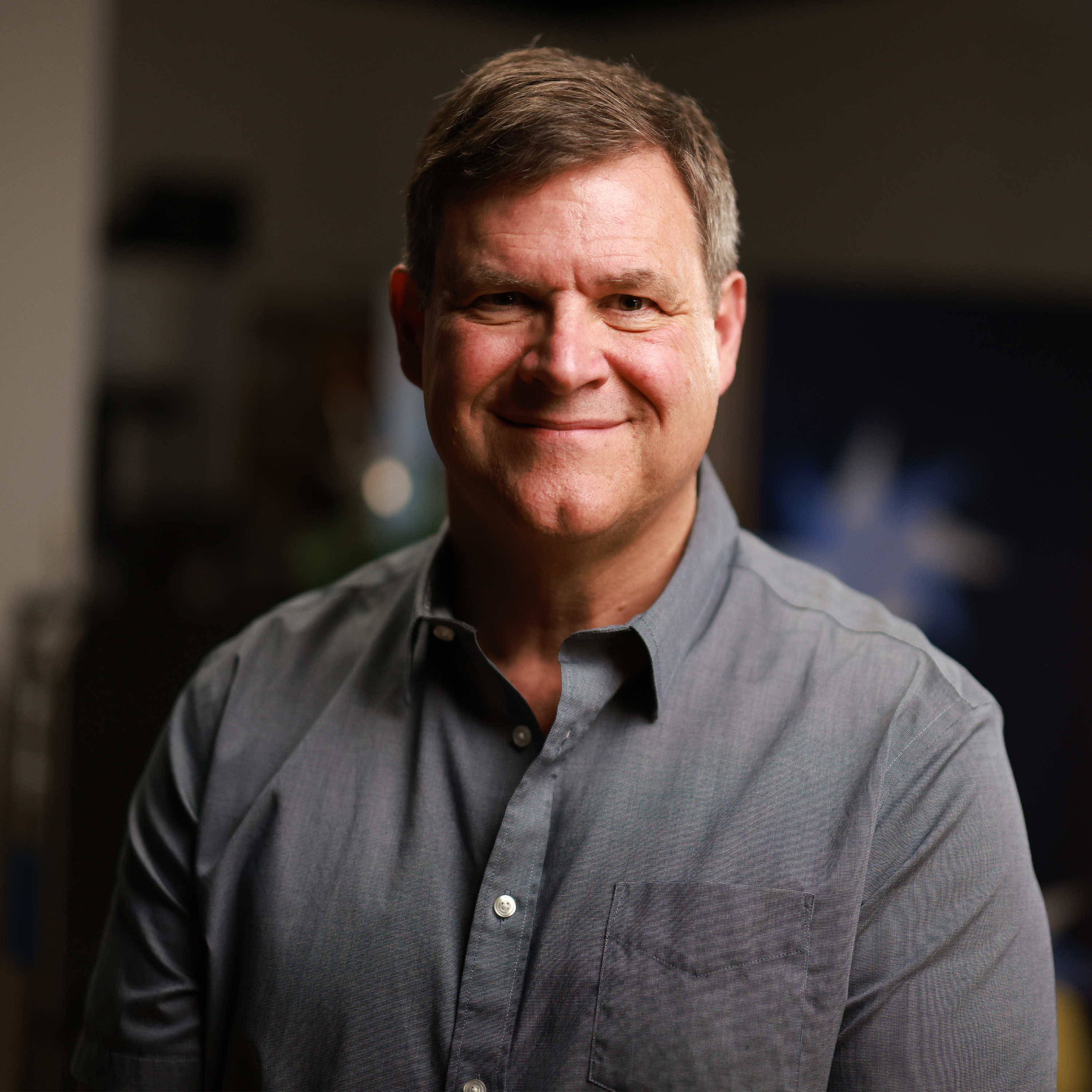 How Many Leaves Are on a Tree? | Kirk JohnsonBonus
Need to know how many leaves are on that tree? Paleobotanist Dr. Kirk Johnson shares the surprisingly nerdy method—because you never know when leaf math will come in handy. For mor…
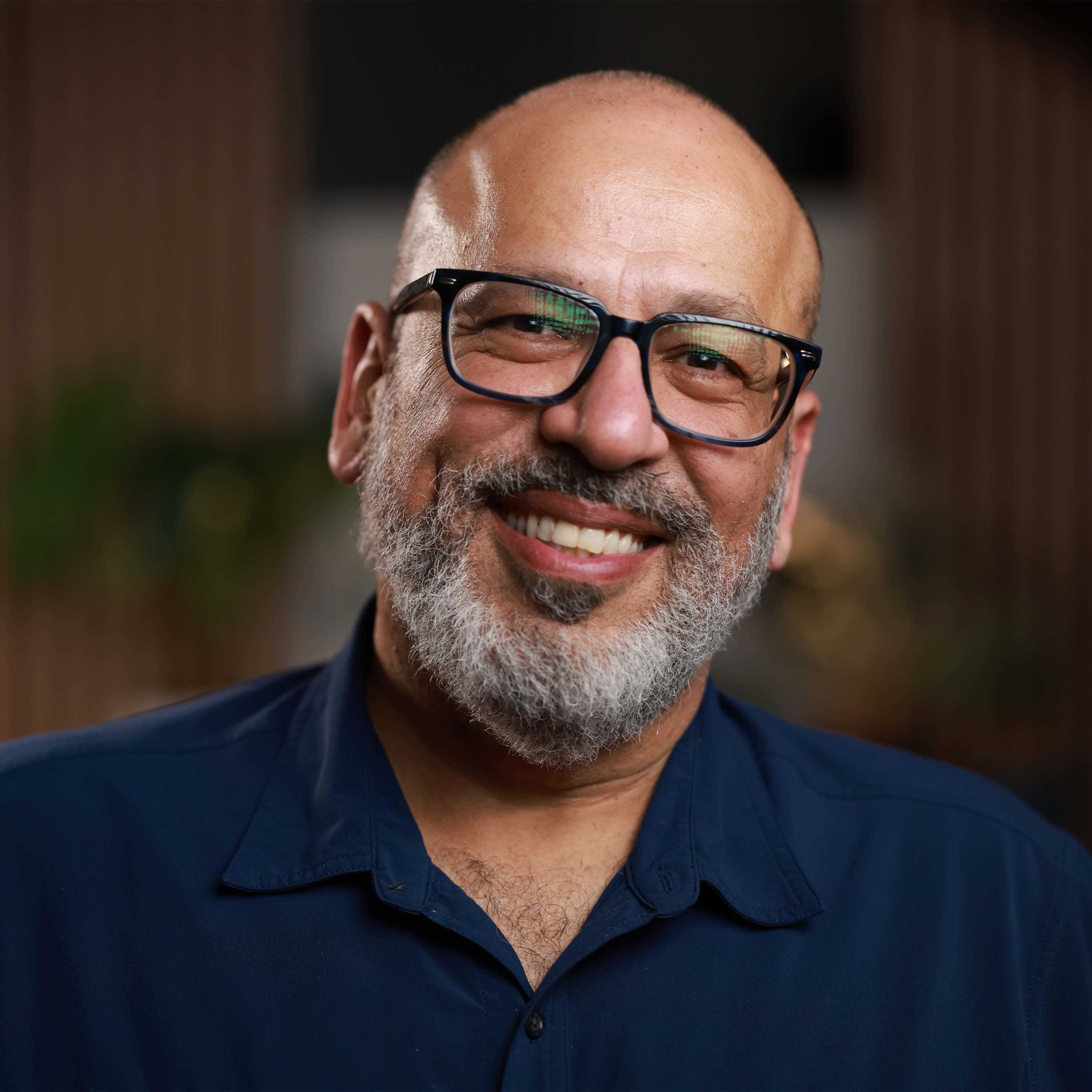 The Air You Breathe Is Bacteria Poop | Peter GirguisBonus
Long before trees and grass, microbes were shaping our atmosphere. Evolutionary biologist Peter Girguis explains how ancient bacteria learned to split water for energy, and why the…
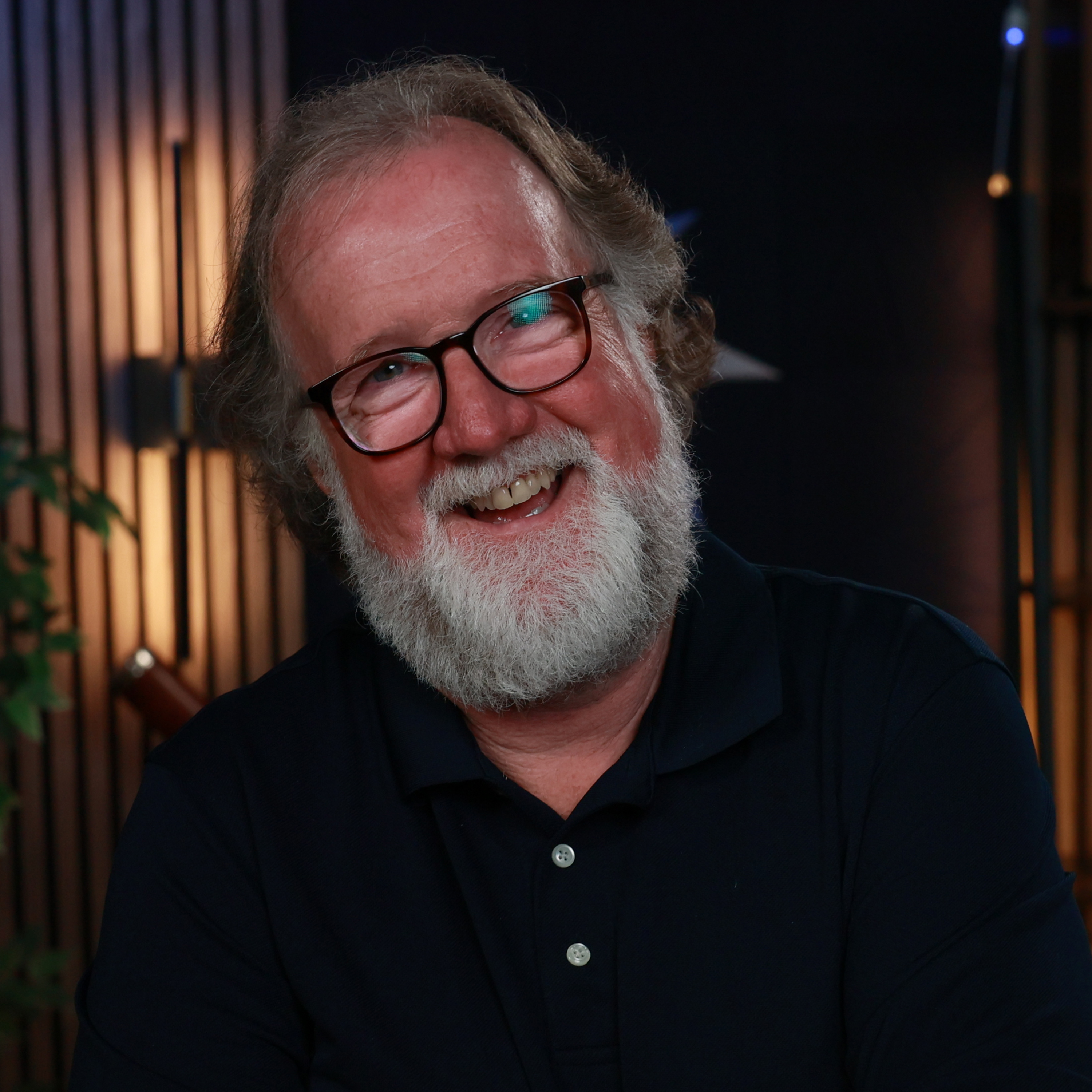 The Fish That Could Walk | Sean B. CarrolBonus
How did animals first make the giant step from water to land? Evolutionary biologist Sean B. Carroll explains how the discovery of Tiktaalik—a fossil with both fish and limb-like f…
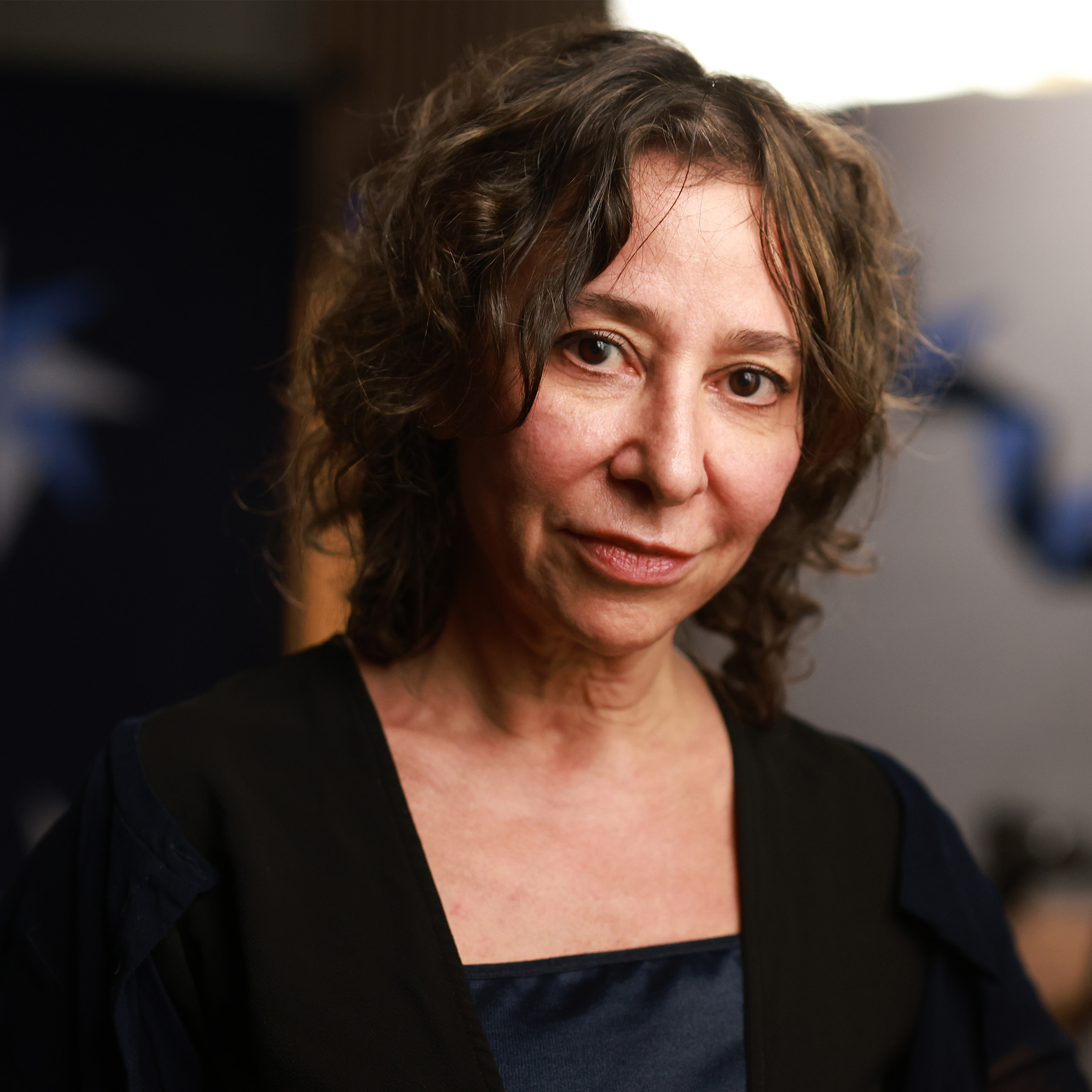 How Close Can You Safely Get to a Black Hole? | Janna LevinBonus
Black holes aren’t the cosmic monsters Hollywood makes them out to be. Astrophysicist Janna Levin explains why they’re so hard to detect, why they’re not as destructive as you migh…
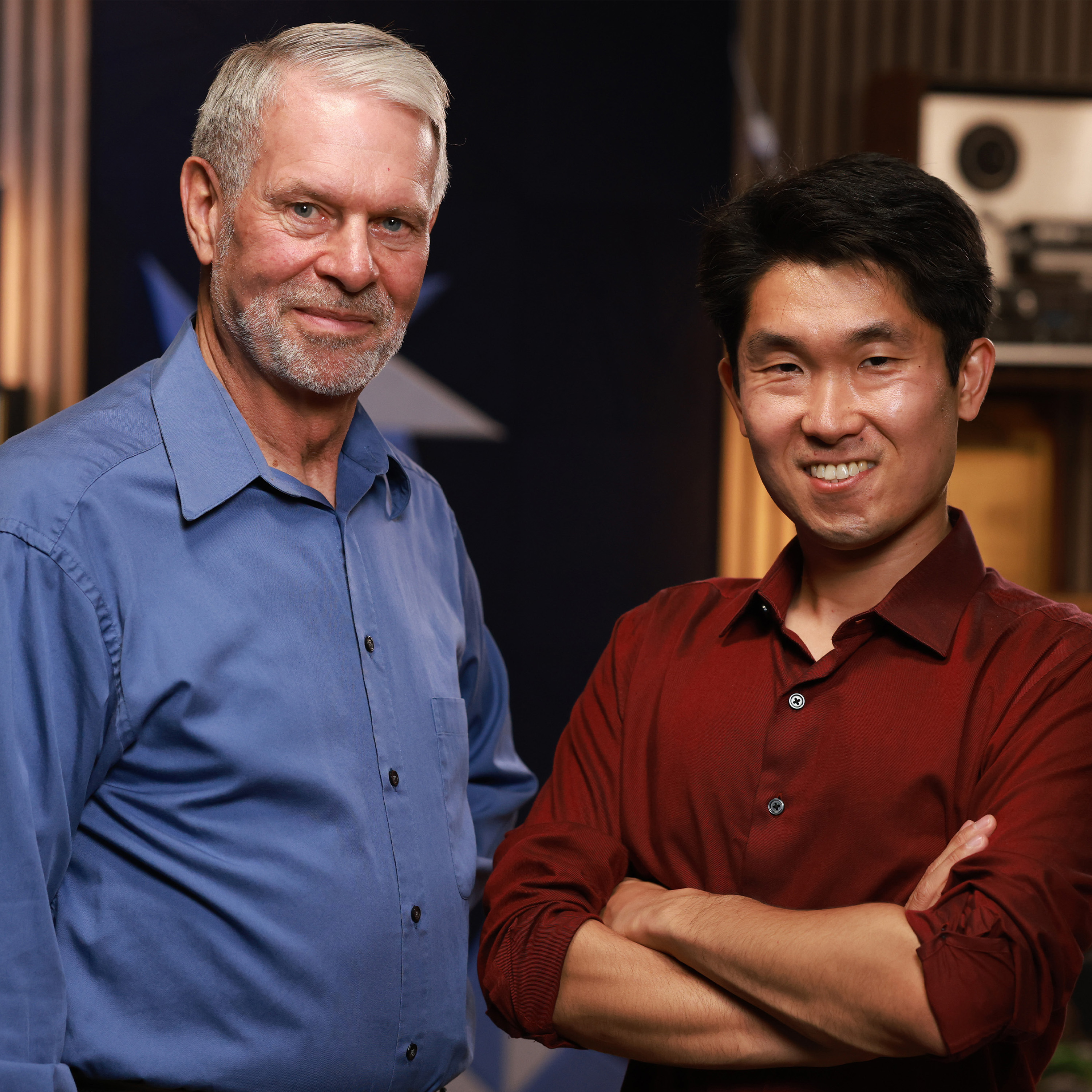 A New Law of Nature? | Robert Hazen & Michael WongBonus
Could the universe be governed by a law we haven’t discovered yet? Mineralogist Robert Hazen and astrobiologist Michael Wong propose a new rule—the law of increasing functional inf…