
Influence Profile
No genre data available
Genre information will appear here once available
Trending in Tshepo Tshola’s World
No discography available.
Story
Quick Facts
Born
1953
1953
From
Lesotho
Lesotho
Journey
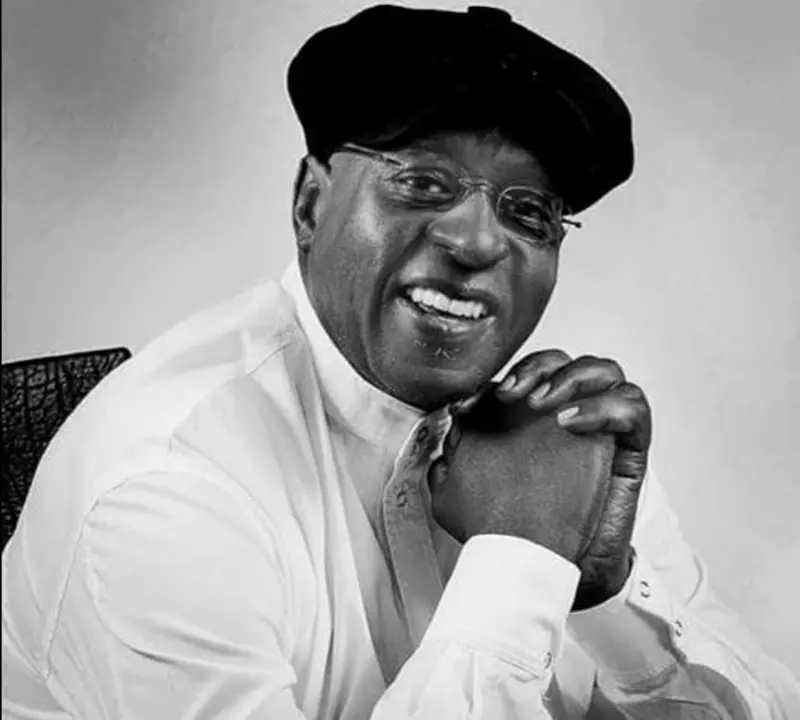
Tshepo Tshola stands as one of the most recognisable voices to come out of Southern Africa, known for a deep baritone tone that carried across Afro-jazz, soul, and gospel-influenced music. His early musical grounding came in Lesotho, where church singing played a central role in shaping his sense of harmony and performance. Growing up in a family connected to preaching further reinforced his connection to music as expression rather than just entertainment.
His professional path began in the 1970s with local groups such as Lesotho Blue Diamonds, Anti Antiques, and Uhuru. These early experiences exposed him to regional touring and cross-border performance circuits between Lesotho and South Africa, building his stage confidence and musical identity.
A major shift came with Sankomota, a group that blended Afro-jazz, rock, funk, and traditional Sesotho influences. As lead vocalist, Tshola became the emotional core of the band, with his voice giving weight to their socially aware and musically rich catalogue. This era earned him the widely used nickname “The Village Pope,” reflecting his presence and influence within the group.
In the 1990s, he moved into a solo career with albums such as "The Village Pope" (1994), "New Dawn" (2001), and "Lesedi." His solo direction leaned more into soul, Afro-jazz, and gospel-inspired storytelling, often supported by live instrumentation and reflective writing. Songs like “Ho Lokile” became closely associated with his individual identity outside the band setting.
Over time, he collaborated with a wide range of artists across Africa, including figures from jazz, gospel, and later-generation popular music, showing his ability to remain relevant across different eras without losing his core sound.
He passed away in 2021 in Lesotho due to COVID-19 complications. His legacy remains firmly tied to Sankomota’s influence, his solo catalogue, and his role in shaping Afro-jazz vocal tradition in Southern Africa.