

Influence Profile
No genre data available
Genre information will appear here once available
Trending in Senyaka’s World
Latest Album
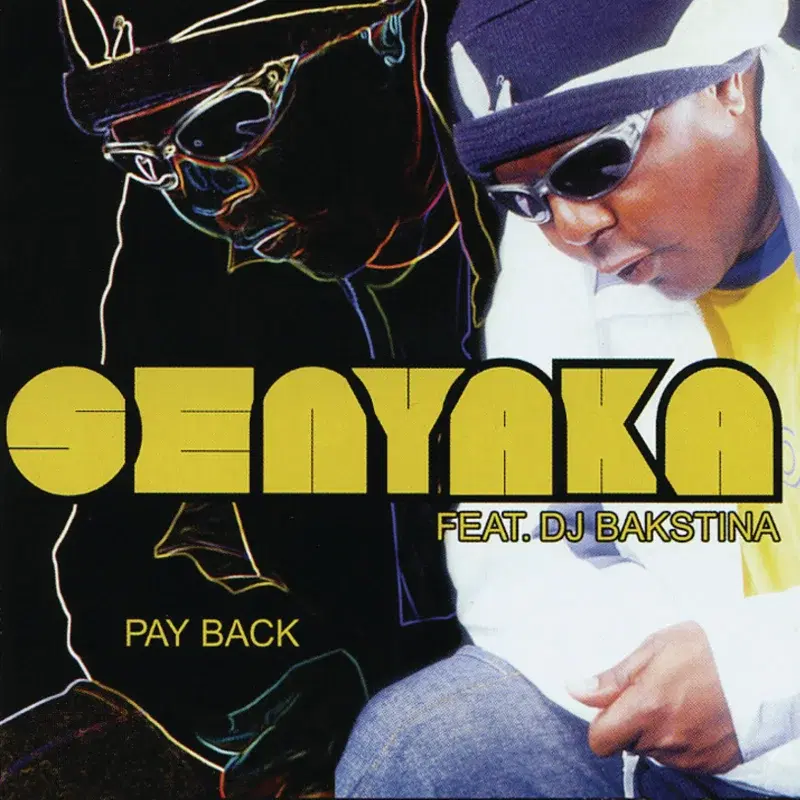
Payback
Released Jul 8, 2003
Trending Globally
No trending songs available.
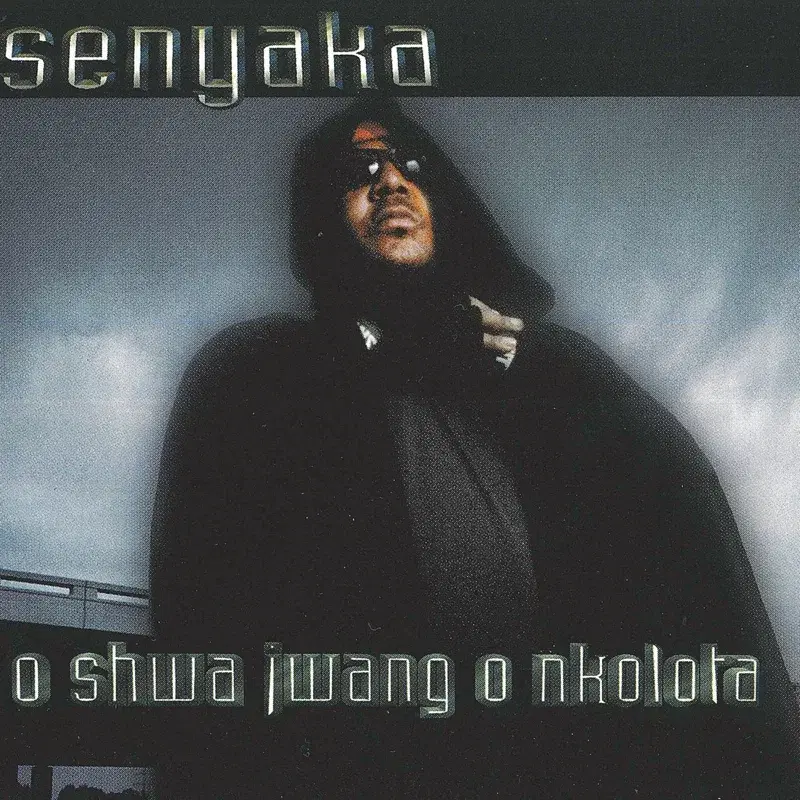
Story
Quick Facts
Born
1956
1956
From
South Africa
South Africa
Journey
Senyaka, born Thula Kekana on 13 April 1956 in Evaton, South Africa, was a rapper, actor, comedian, and entertainer widely recognised as one of the earliest pioneers of South African rap and its crossover into mainstream popular music.
He emerged in the mid-1980s during a period when rap was still developing locally. His breakthrough came with the track “Go Away,” released around 1986, where he became one of the first South African artists to experiment with rap delivery over disco and bubblegum-influenced production. This early fusion placed him among the foundational figures in the country’s evolving urban music.
Senyaka’s artistic identity was defined by satire, humour, and township storytelling. He used music as a form of social commentary, often delivering messages through comedic performance styles and exaggerated character-driven expression. Songs such as “Chisa Mpama,” “Fong Kong,” “Romeo wa Nkolota,” and “Saturday-Sunday” strengthened his reputation as a bold and unconventional voice in South African entertainment.
One of the most notable moments in his career was his public musical dispute with Brenda Fassie, which played out through diss tracks and responses, becoming one of the earliest widely recognised rap-related rivalries in South African music history.
Beyond music, he expanded into film and comedy, appearing in productions such as Moruti wa Tsotsi, and collaborating with filmmaker Chicco Twala. His acting work reflected the same humour-driven, township-centred storytelling style present in his music.
In the later years of his career, his public activity reduced, but his influence remained present in the development of South African hip-hop and kwaito culture.
Senyaka passed away on 25 March 2015, closing a career that helped shape the early foundation of rap in South Africa and left a lasting imprint on the country’s music history.