
Influence Profile
No genre data available
Genre information will appear here once available
Trending in Saudi’s World
Latest Album
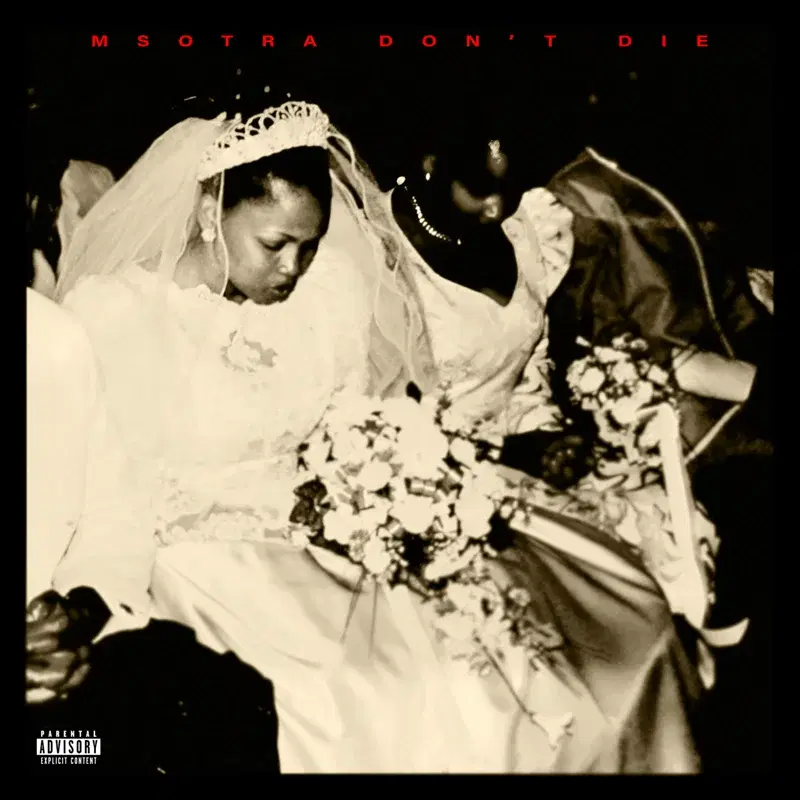
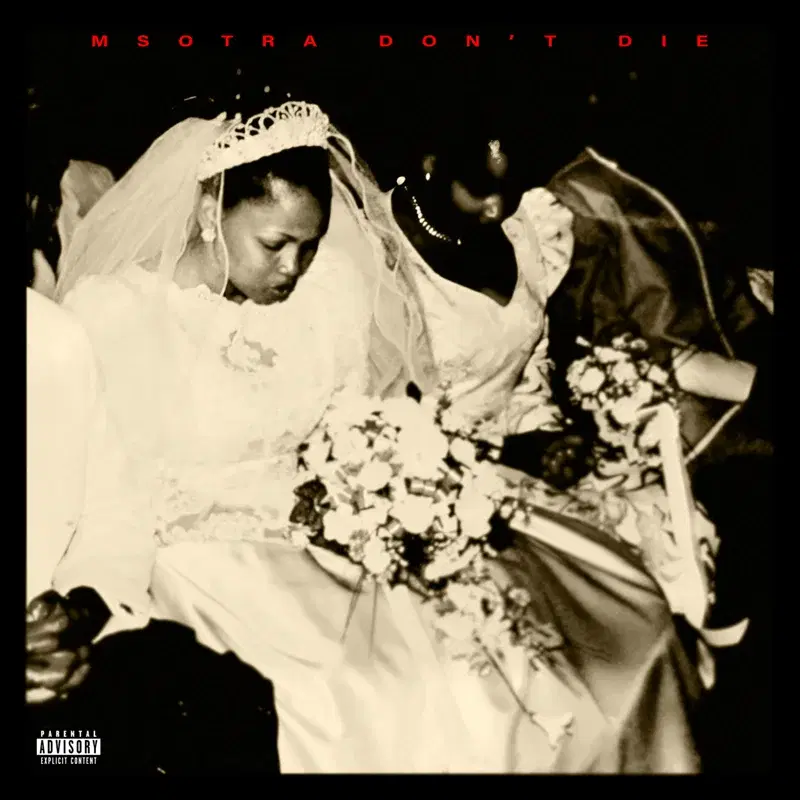
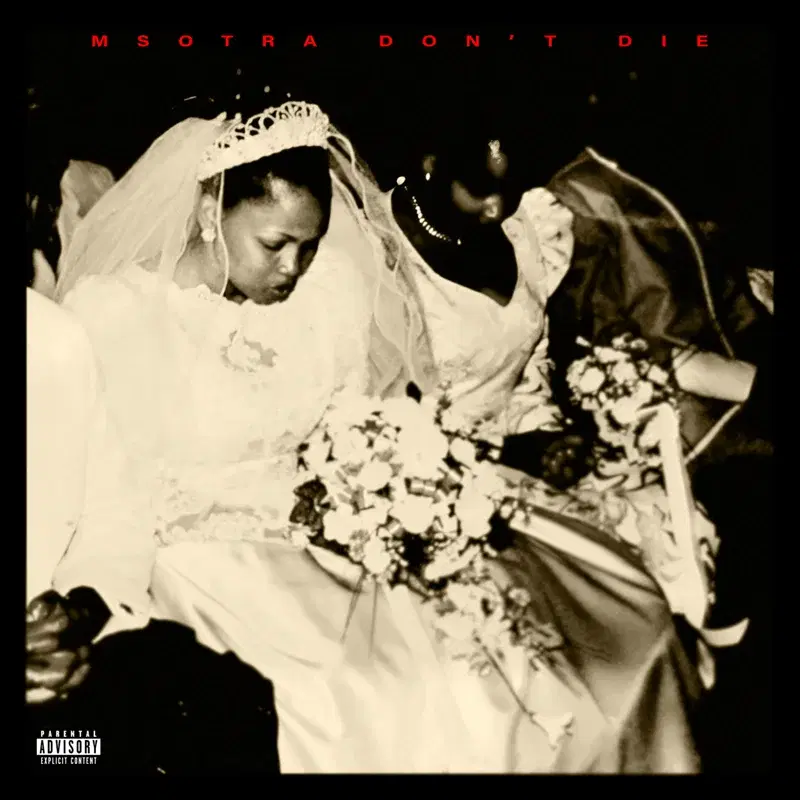
Msotra Don't Die
Released Dec 1, 2023
Trending Globally
No trending songs available.
Story
Quick Facts
Born
1995
1995
From
South Africa
South Africa
Journey
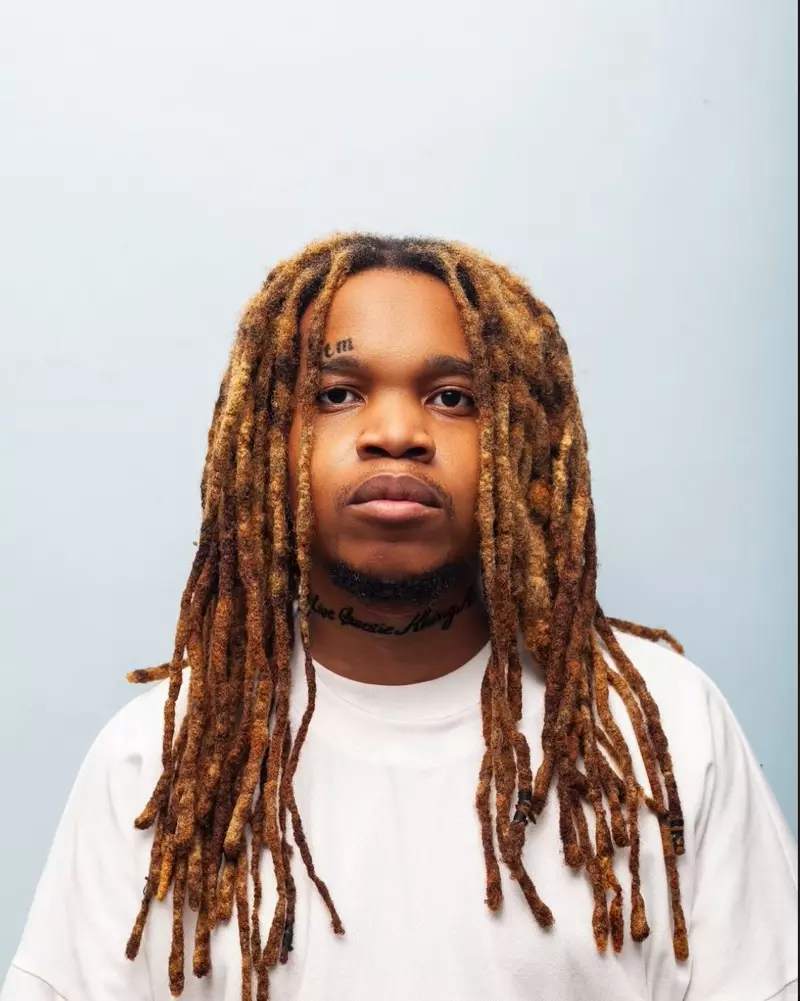
Anele Mbisha, popularly known as Saudi, is a South African rapper, singer, and songwriter from Soweto, Senaone, widely regarded as one of the creative forces behind the evolution of modern African trap music. Growing up surrounded by diverse musical influences such as Brenda Fassie and Michael Jackson, he developed an early interest in music and began recording as a teenager. His sound eventually matured into a blend of trap, melodic rap, and emotional storytelling, a style he helped popularise through his involvement in the African Trap Movement (ATM) alongside artists like Sjava and Emtee.
He first rose to prominence during the Ambitiouz Entertainment era, contributing to several collaborative hits, most notably “Ameni,” which became one of the defining records of the ATM movement. His international exposure expanded when he was featured on the Black Panther: The Album soundtrack on the track “X,” alongside global artists such as 2 Chainz and ScHoolboy Q.
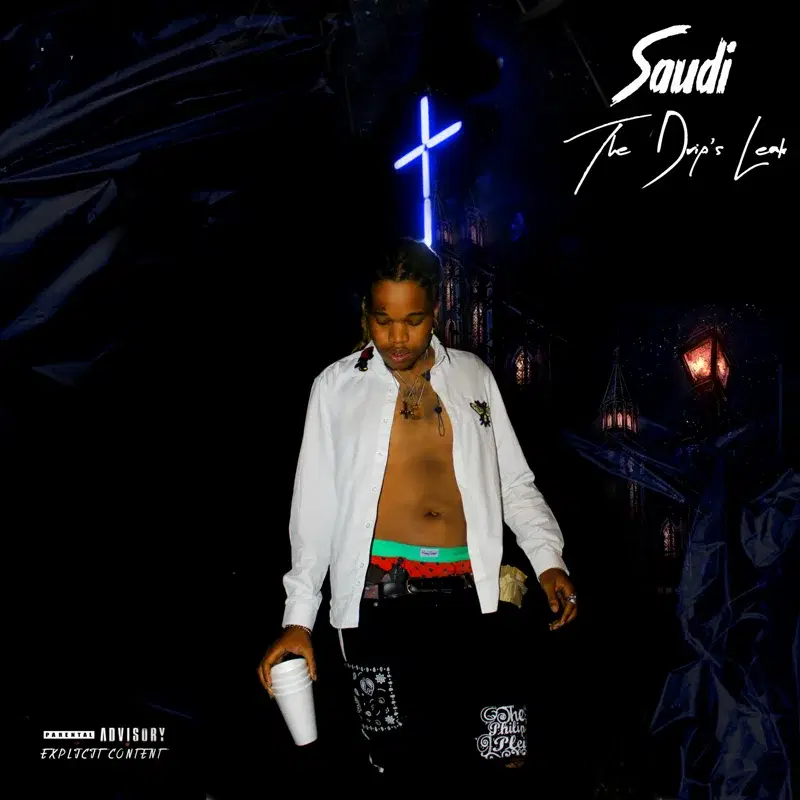
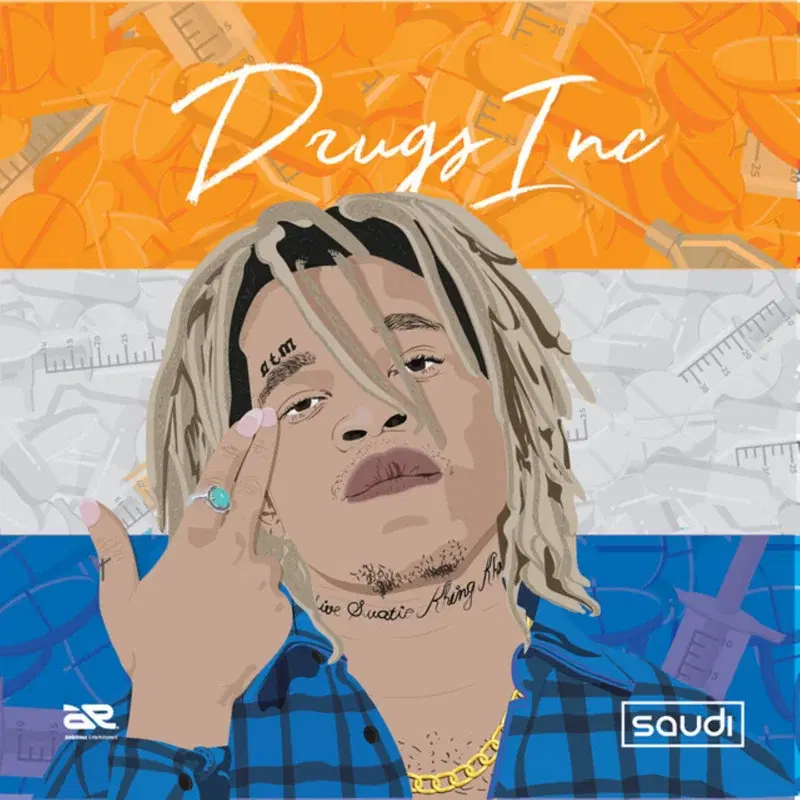
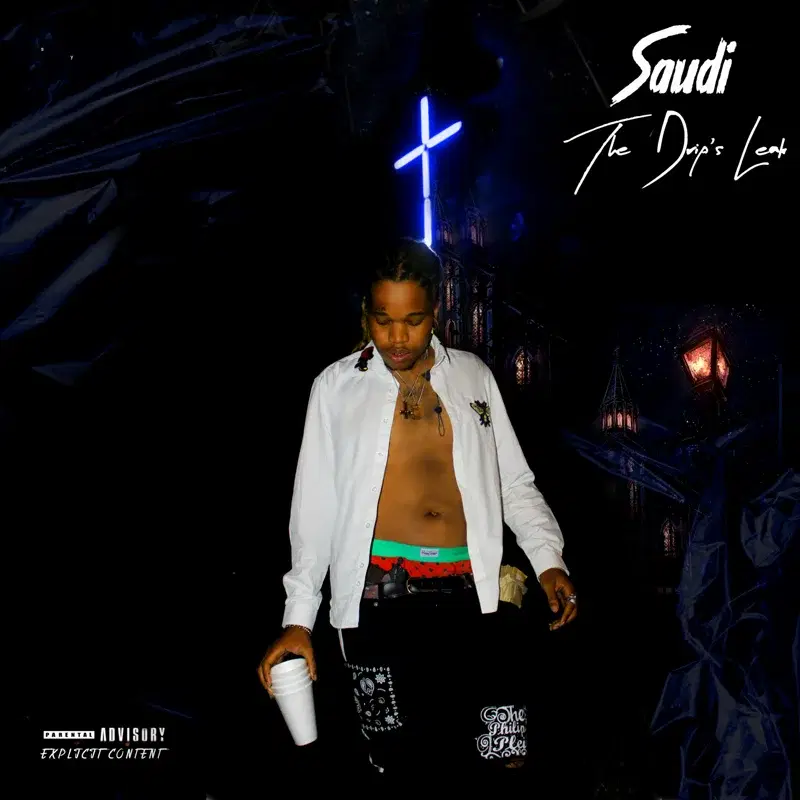
Saudi’s debut studio album, "D.R.U.G.S Inc (2017)," marked a major turning point in his career. The release delivered a mix of hard-hitting trap and soulful melodies, with standout tracks including “Dark Dindy” (featuring Sjava and Emtee), “Pull Up,” and “Afrika.” After parting ways with his former label and navigating a period of relative silence, he returned with the mixtape "The Drip’s Leak (2020)," showcasing a more experimental and rap-focused direction.
In 2023, he released his independent comeback album "Msotra Don’t Die" under OVLOE Monopoly. The 18-track album reflected a more introspective and mature phase of his artistry, exploring themes such as pain, growth, faith, and resilience. Songs like “Father’s Day,” “Roses,” “Nkalakatha” (featuring Emtee), and “The Prayer” highlighted his emotional depth and evolving sound.
He has been part of award-recognised collaborative works within the South African hip-hop scene, particularly during the peak of ATM’s influence. His impact is more strongly measured through his contribution to shaping the sound and identity of South African trap music rather than formal accolades.