

Influence Profile
No genre data available
Genre information will appear here once available
Trending in S-Tone’s World
Trending Globally
No trending songs available.
Story
Quick Facts
From
Swaziland
Swaziland
Journey
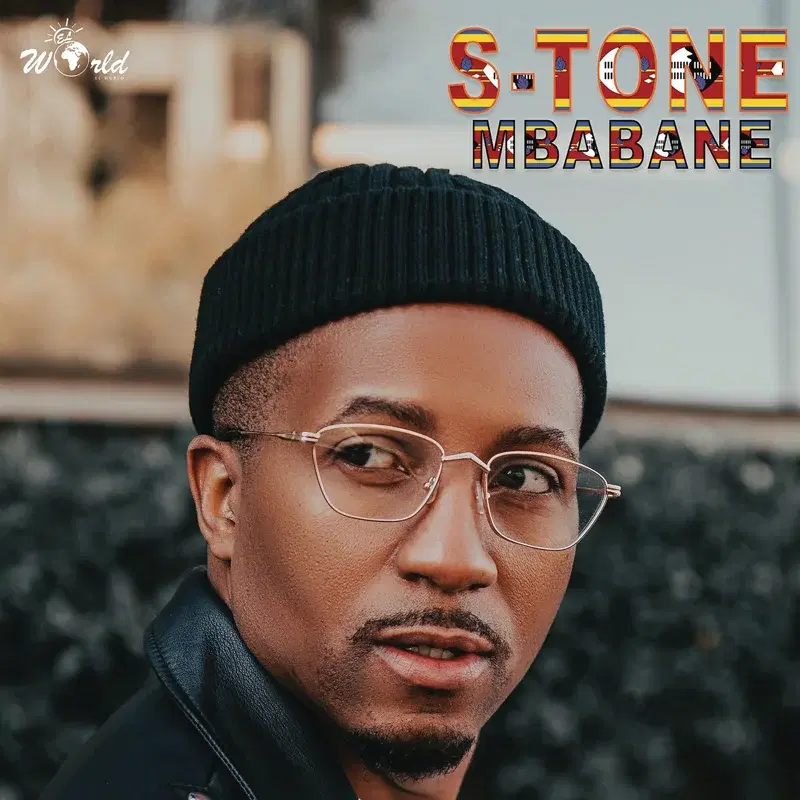
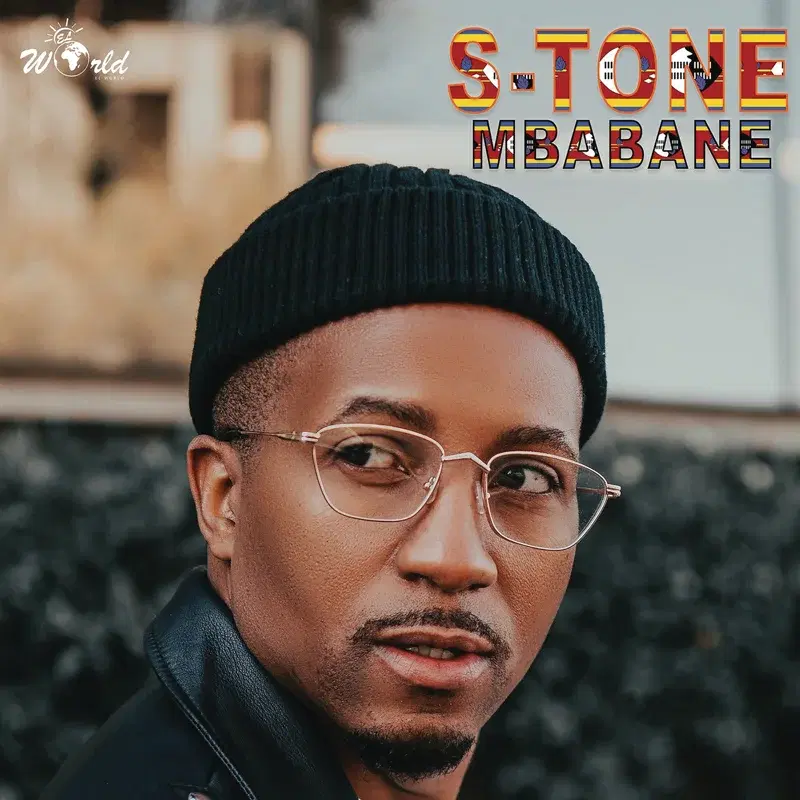
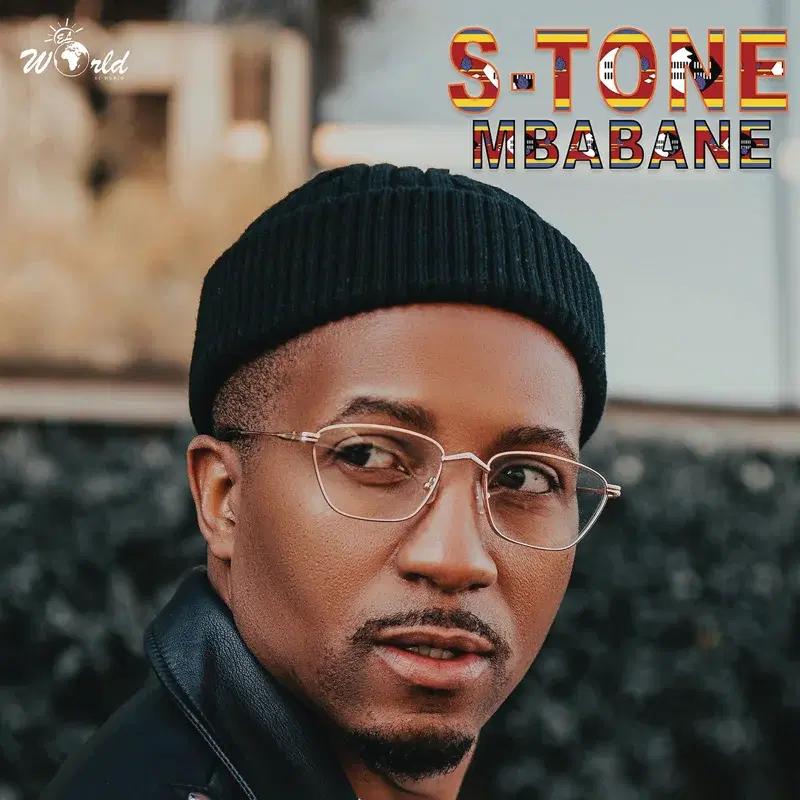
S-Tone, born Sifiso Sicelo Magagula, is a Swaziland-born singer and songwriter whose early connection to music formed through exposure to RnB and rap records. That early influence developed into a clearer direction during his college years in Johannesburg, where he began working under an early stage identity and recording demos that introduced him to studio processes, songwriting structure, and vocal arrangement.
His initial professional environment was rooted in underground hip-hop culture. During this period, he worked within experimental circles that included links to groups such as Cashless Society. This phase played a role in shaping his understanding of recording environments and collaborative studio work before his artistic direction gradually moved toward house music production.
The transition into house marked a key shift in his creative path. He connected with producers across Johannesburg and Pretoria at a time when electronic and house music was expanding across Southern Africa. This period allowed him to move deeper into structured production spaces while adapting his writing style to a different sonic direction.
His wider recognition grew following the release of “Holding Back,” a collaboration that received strong radio rotation. The track later gained additional attention after a remix by Black Coffee, which helped increase its visibility within South Africa’s house music community and introduced his work to a broader audience.
Following this, S-Tone continued building a catalogue through collaborative projects and studio contributions. He worked with artists such as Sun-El Musician and Simmy, contributing both vocal elements and songwriting input across multiple releases. His presence became more consistent in collaborative credits rather than front-facing solo positioning.
His recorded appearances include tracks like “On The Line” and “Come Back Home,” alongside other digital releases where he is credited as both featured vocalist and creative contributor. Much of his work sits within collaborative frameworks, reflecting a career built through studio participation, shared production environments, and ongoing partnerships.
Recognition in his career comes primarily through industry respect and repeated collaboration rather than formal award structures. His path reflects a steady role within South Africa’s house and Afro-electronic ecosystem, where contribution is measured through consistency in writing, studio work, and featured appearances across projects.