
Influence Profile
No genre data available
Genre information will appear here once available
Trending in Nozipho’s World
No discography available.
Story
Quick Facts
Born
1990
1990
From
South Africa
South Africa
Journey
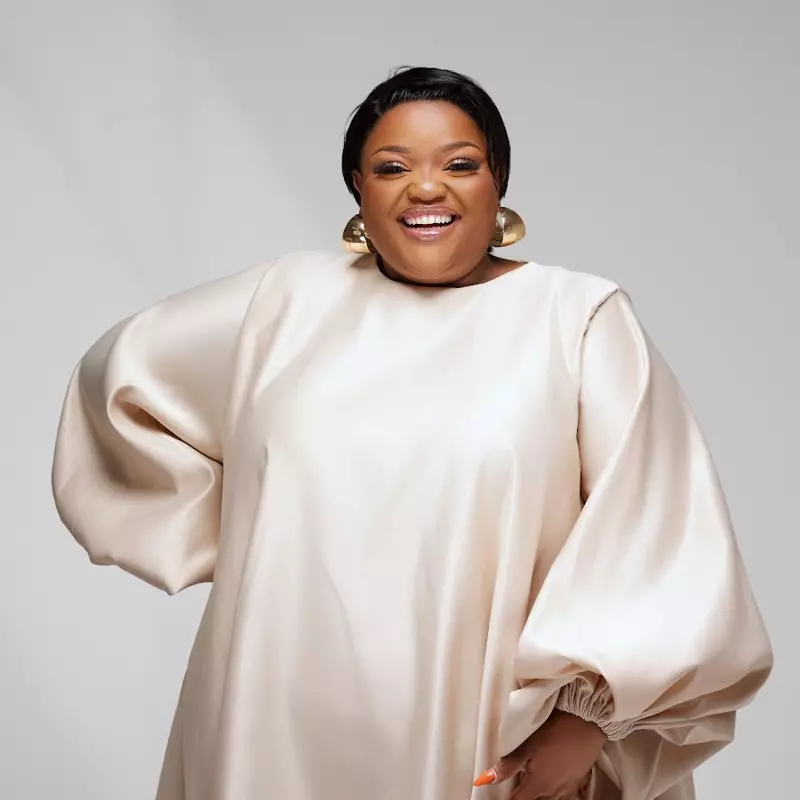
Nozipho Phiri’s journey in gospel music began in church spaces where singing was not treated as a career at first, but as part of everyday life. Growing up in KwaZulu-Natal, her early exposure came through Sunday school choirs and local church groups, where repetition, harmony, and discipline were learned gradually rather than formally introduced. Over time, that environment became the base of her musical identity.
Before joining any major platform, she already had experience performing in smaller structured groups, including local vocal ensembles and early gospel collectives. One of her first notable public steps came through “I Want To Sing Gospel” in 2010, where she reached the Top 10. That moment did not immediately turn into fame, but it placed her within a visible pipeline of gospel talent in South Africa.
Her major breakthrough came when she joined Joyous Celebration, one of the most influential gospel collectives in the country. Rather than functioning as a traditional solo career, this environment operated as a rotating ensemble where vocalists develop through live recordings, touring, and shared stage responsibility. Nozipho spent over a decade within that structure, which she has often described as a training ground that refined both her technical ability and performance discipline.
Within Joyous Celebration, her contributions were heard in live worship recordings and large-scale stage productions. Songs such as “Mayenzeke,” “Mukhulu Ujesu,” and “Ngizokulandela” are part of the catalog where her voice is associated with lead and ensemble sections. Her role was not limited to background support; she moved between featured moments and full ensemble performance depending on the structure of each recording.
Her vocal identity within the group is often recognised for a controlled soprano tone and stability in live worship environments, especially where extended performance and improvisational elements are required. That consistency made her a dependable presence in one of South Africa’s most visible gospel platforms.
After spending many years in Joyous Celebration, she eventually transitioned into a solo direction. This shift was not a departure from gospel, but more of a narrowing of focus toward personal expression. Her solo work leans toward live recorded worship projects, testimony-based writing, and ministry-centred material rather than large ensemble formats.
In this phase, her music reflects a more personal angle, moving away from shared choir structures into individual storytelling within gospel. The foundation built in Joyous Celebration still carries through, especially in her approach to arrangement and live performance style, but the delivery now centres more on individual expression than collective stage identity.