
Influence Profile
No genre data available
Genre information will appear here once available
Trending in Ninja Man’s World
Trending Globally
No trending songs available.
Story
Quick Facts
Born
1966
1966
From
Jamaica
Jamaica
Journey
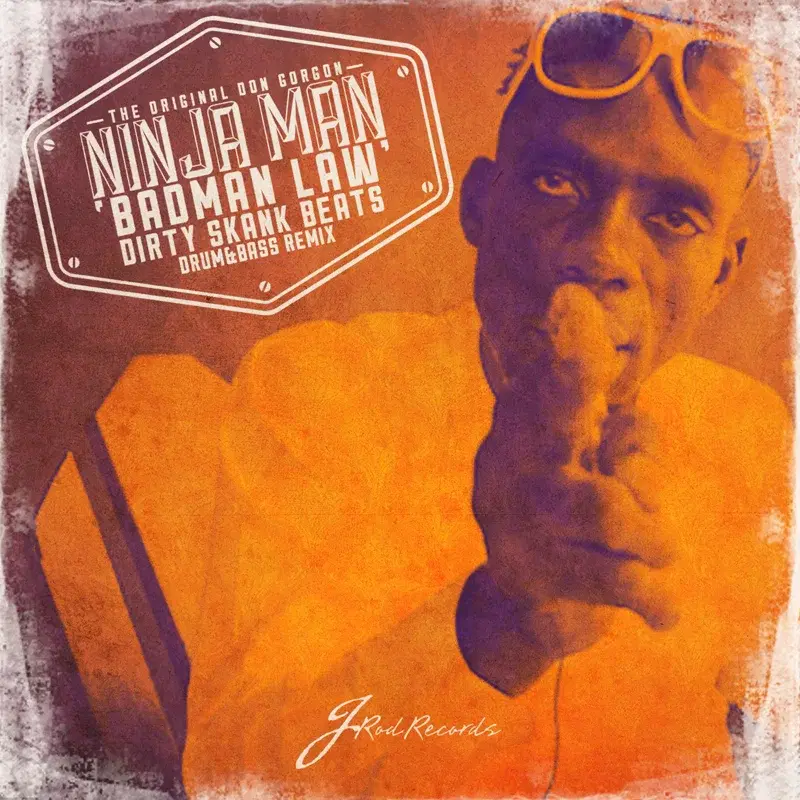
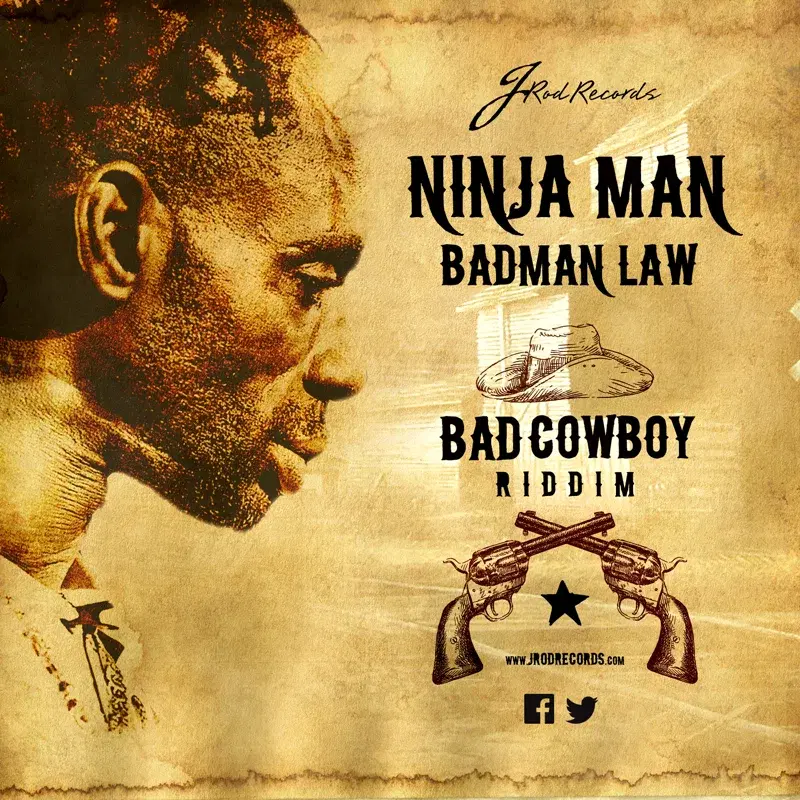
Born Desmond John Ballentine in Annotto Bay, St. Mary, Jamaica, Ninjaman developed his musical identity in Kingston after his family moved there when he was about 11. He entered sound-system culture as a teenager, deejaying for Black Culture at 12 under the name Double Ugly before joining Killamanjaro in the early 1980s. There, he learned from established performers, including Super Cat and Early B.
Ballentine first recorded as Uglyman and later adopted Ninjaman, eventually becoming widely known as Don Gorgon. His breakthrough came in 1987 with “Protection,” a self-produced combination with Courtney Melody. In 1988, “Cover Me” with Tinga Stewart and “Zig It Up” with Flourgon strengthened his profile. From 1989 through the early 1990s, he became one of dancehall’s leading DJs, recording for producers including King Jammy, Bobby Digital, Gussie Clarke, Steely & Clevie and Philip “Fatis” Burrell.
His notable recordings include “Murder Dem,” “Permit to Bury,” “Border Clash,” “My Weapon,” “Above the Law” and “Reality Yuh Want.” His principal albums include “My Weapon” (1990), “Move From Here” (1991), “Artical Don” (1994), “What a Shame” (1996), “Ninja Is a Ninja” (1999) and “Hardcore Killing” (2000). His catalogue also features collaborations with Gregory Isaacs, Cocoa Tea, Linval Thompson, Admiral Tibet, and Shabba Ranks.
Ninjaman became especially celebrated for sound-system clashes, including his famous Sting confrontations with Shabba Ranks in 1990 and Super Cat in 1991. In 1997, he adopted the name Brother Desmond and briefly pursued gospel dancehall before returning to dancehall. He also appeared as Deportee in the 1999 film “Third World Cop.”
Although his career was marked by legal troubles, his music remains part of dancehall’s history in Jamaica.