
Influence Profile
No genre data available
Genre information will appear here once available
Trending in Nestum’s World
No discography available.
Story
Quick Facts
From
South Africa
South Africa
Journey
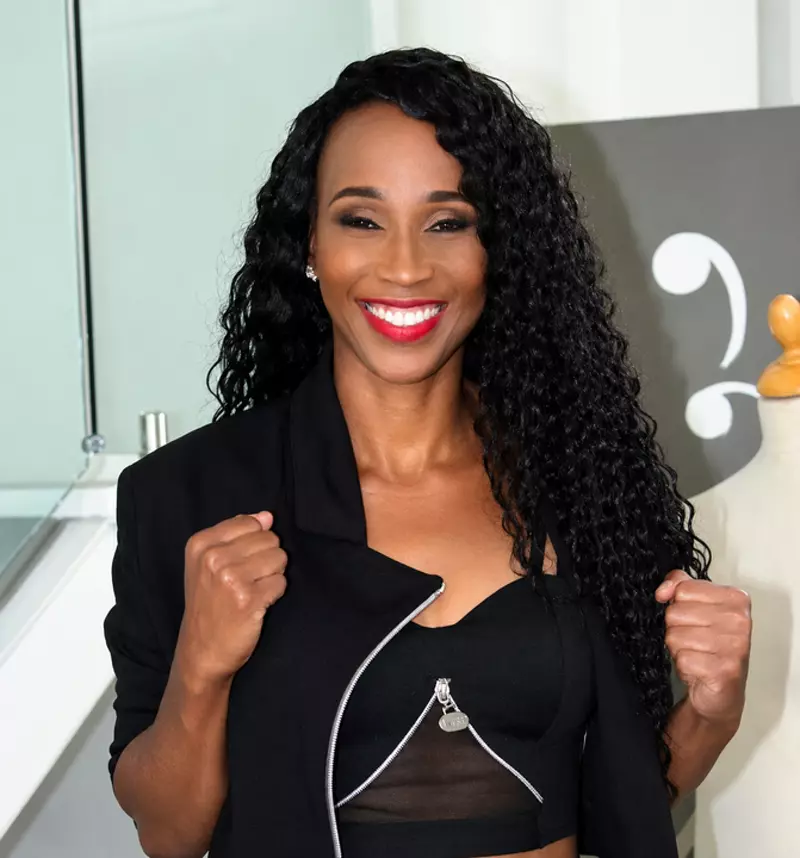
Nestum is a South African kwaito artist, vocalist, DJ, radio personality, and media figure whose career began during the formative years of 1990s township kwaito. Born Zanele Nyakale-Peterson, she entered the music industry as a teenager, becoming one of the young female voices shaping the early sound of group-driven kwaito under producer Arthur Mafokate’s 999 Music ecosystem.
She first gained recognition as a member of Abashante, a kwaito group formed in the mid-1990s alongside Queen Iyaya and other rotating members. The group became known for their energetic dance style and youth-centered kwaito sound, releasing influential albums such as "Girls" (1996), "Dreams" (1998), "Intwenjani?" (1999), "Vuk’Uzenzele" (1999), and "Ayoyo" (2001). Nestum’s presence in the group positioned her as one of the few visible female performers in a male-dominated genre during kwaito’s early commercial rise.
As her artistry developed, she transitioned into the Arthur All-Stars collective, a production-driven platform created by Arthur Mafokate that allowed individual members of his stable to explore their own vocal identities. Within this framework, Nestum stepped forward more prominently as a vocalist, moving beyond group performance into more defined solo expression.
Her breakthrough moment came with the solo single “Paraka”, released under the Arthur All-Stars umbrella. The track became her most significant solo success, achieving gold-status recognition and establishing her as an individual artist in her own right rather than solely a group performer. “Paraka” marked a turning point in her career, highlighting her vocal strength and confirming her commercial viability as a solo kwaito act.
Following her music breakthrough, Nestum expanded her presence into television and radio, becoming a presenter on youth-focused programming such as 'Jam Alley' before transitioning into a long-term career in broadcasting. She later established herself as a respected radio voice, particularly on Lesedi FM, where she developed a strong following through music-driven and culturally rooted programming.
Beyond broadcasting, she diversified into DJing, MC work, entrepreneurship, and mentorship, including initiatives supporting upcoming and female DJs. In later years, she continued performing while also exploring a musical comeback, expressing interest in blending her classic kwaito roots with contemporary amapiano influences.