Influence Profile
No genre data available
Genre information will appear here once available
Trending in Lola Flores’s World
Latest Album
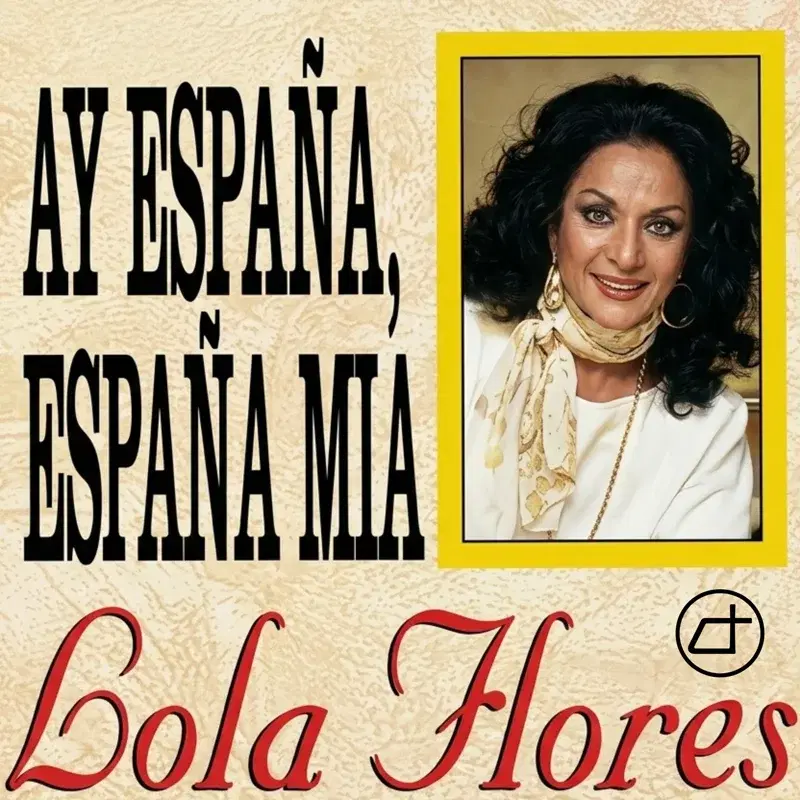
Ay España, España mía
Released Jun 9, 2026
Trending Globally
No trending songs available.
Story
Quick Facts
Born
1923
1923
From
Spain
Spain
Journey
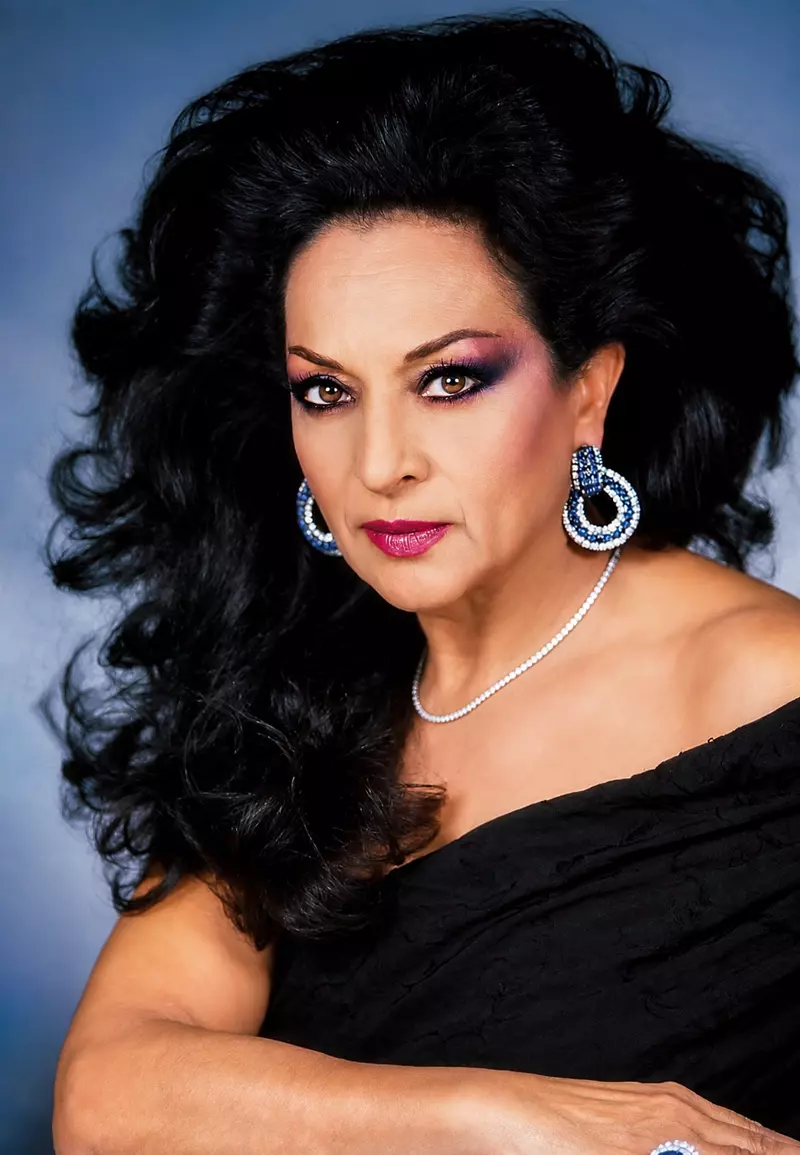
María Dolores Flores Ruiz, professionally known as Lola Flores, was a Spanish singer, flamenco dancer, and actress whose career became closely associated with Andalusian popular culture. Born in Jerez de la Frontera, Cádiz, she grew up in an environment where music and performance were part of everyday life. Her family later lived in Seville before returning to Jerez, and she began performing publicly while still very young.
Flores entered professional entertainment during the late 1930s. In 1939, she appeared in the stage production "Luces de España" and began her film career with "Martingala," directed by Fernando Mignoni. Her early work established her as a performer capable of combining singing, dance, acting, and theatrical expression rather than remaining within a single discipline.
A decisive period came in the 1940s through her artistic partnership with Manolo Caracol. Their stage production "Zambra," launched in 1943, gave Flores a major platform and introduced audiences to songs associated with composers Rafael de León, Antonio Quintero, and Manuel Quiroga. Among the numbers connected with this period were “La Zarzamora” and “La Niña de Fuego.” Her repertoire drew from copla, flamenco, rumba, pasodoble, and other Spanish and Latin American traditions.
Cinema became another substantial part of her career. Flores appeared in dozens of films, including "Embrujo" (1947), "La niña de la venta" (1951), "Morena Clara" (1954), "La Faraona" (1956), "María de la O" (1959), and "El balcón de la Luna" (1962). Her film roles frequently placed music and dance at the center of the story, allowing her stage identity to carry into Spanish cinema.
Her recording career extended across several decades, with releases documented from the 1950s through the early 1990s. Albums such as "Canta Lola Flores" reflected her connection to Spanish song traditions, while her recorded repertoire covered copla, flamenco, bolero, ranchera, and related styles.
Beyond individual recordings and films, Flores became an enduring cultural figure in Spain. Her stage presence, distinctive personality, Andalusian identity, and ability to move between music, dance, theatre, film, and television gave her an unusually broad career. She was also the mother of singers Lolita Flores, Antonio Flores, and Rosario Flores, extending her artistic influence into another generation.
Lola Flores died on May 16, 1995, in Alcobendas, Madrid, at the age of 72. Decades after her death, her name remains closely tied to Spanish popular culture, while her performances continue to be revisited through recordings, films, documentaries, and tributes. Her career represents one of the clearest examples of how Spanish popular entertainment could bring together copla, flamenco, cinema, and theatrical performance within a single artistic identity.