
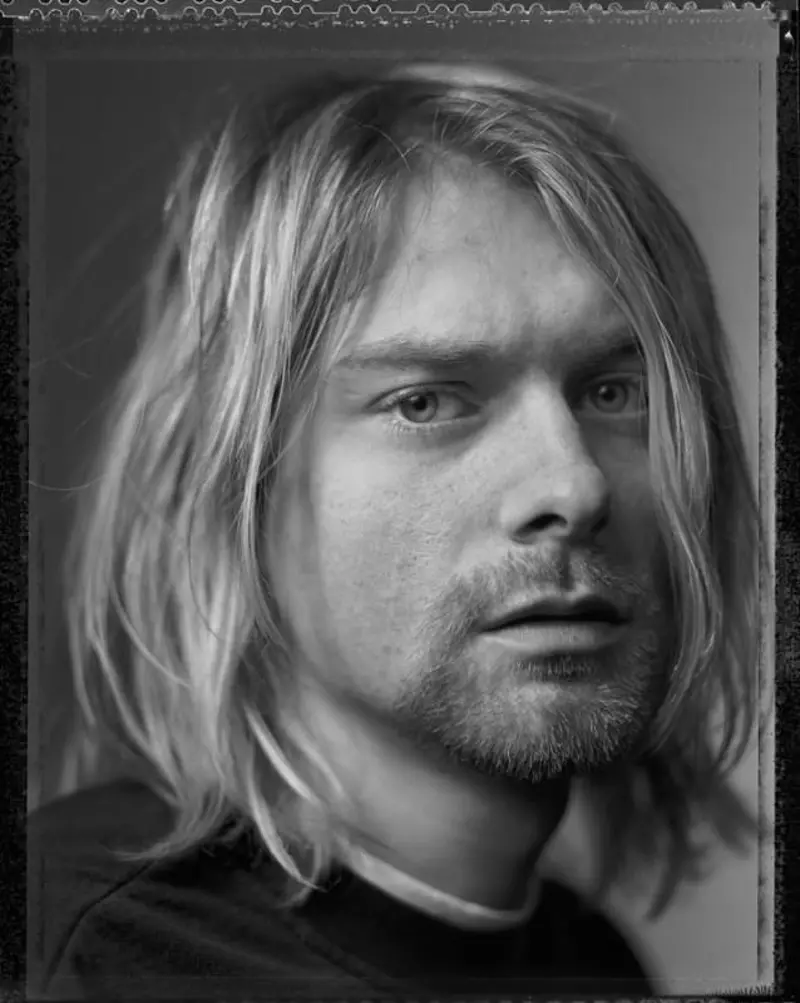
Influence Profile
No genre data available
Genre information will appear here once available
Trending in Kurt’s World
No discography available.
Story
Quick Facts
Born
1967
1967
From
United States of America
United States of America
Journey
Kurt Cobain was an American musician whose work reshaped the sound and attitude of rock music in the early 1990s. Rather than fitting into the polished, commercially driven rock scene of his time, he leaned into distortion, emotional honesty, and a deliberately unrefined aesthetic that would later be associated with grunge.
Raised in Aberdeen, Washington, Cobain spent much of his youth feeling disconnected from his surroundings. That sense of distance from his environment became a defining influence on how he approached music, not as entertainment alone, but as a way of expressing frustration, sensitivity, and contradiction. Instead of pursuing formal musical training, he gravitated toward raw underground scenes where energy and authenticity mattered more than technical perfection.
His musical path eventually converged with Krist Novoselic, leading to the formation of Nirvana in 1987. The group’s early years were shaped by small venues, independent releases, and a sound that blended punk urgency with heavy, melodic hooks. Nirvana released its debut album, "Bleach," in 1989 through Sub Pop Records, establishing the band within Seattle’s growing grunge scene. International success followed with the release of "Nevermind" in 1991, driven by the breakthrough single “Smells Like Teen Spirit.”
The sudden popularity of Nirvana placed Cobain in a position he never seemed fully comfortable with. While the world viewed him as a spokesperson for a generation, he often expressed discomfort with that label and with the commercial machinery that surrounded success. His songwriting reflected that tension, moving between aggression and vulnerability, sometimes within the same track.
Cobain dealt with physical pain, mental health challenges, and growing pressure from public attention. These struggles increasingly shaped both his public behavior and creative output, giving his later work a more fractured and introspective tone.
In 1994, his life ended at the age of 27 in Seattle. The abruptness of his death reinforced the fragile intensity often present in his music. Over time, his influence has extended far beyond his recordings, affecting how later generations of artists think about identity, performance, and honesty in music.