Influence Profile
No genre data available
Genre information will appear here once available
Trending in Gift Gwe’s World
Latest Album
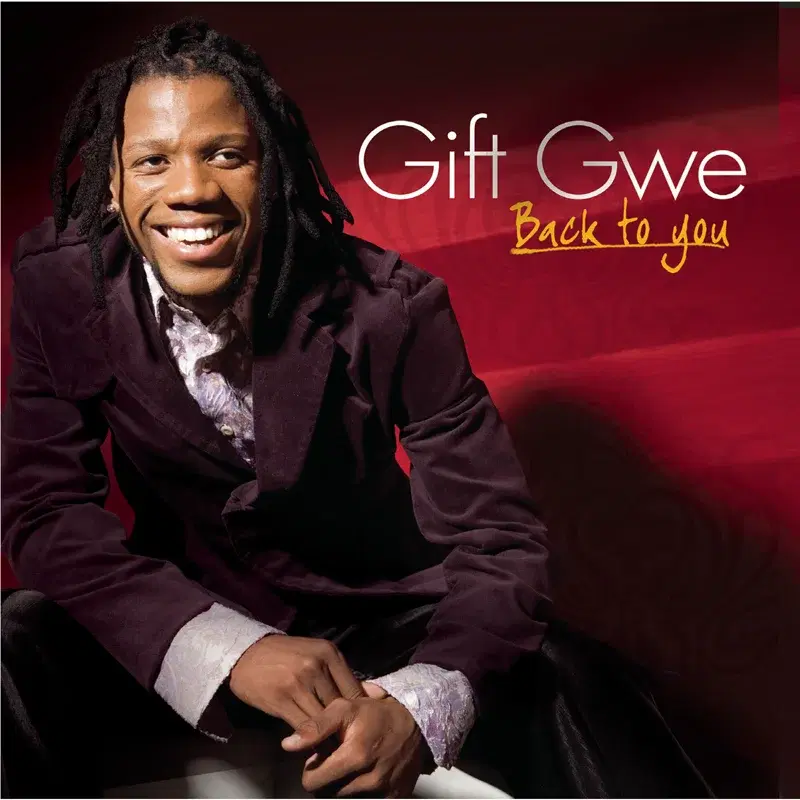
Back To You
Released Oct 8, 2007
Trending Globally
No trending songs available.

Story
Quick Facts
Born
1984
1984
From
South Africa
South Africa
Journey
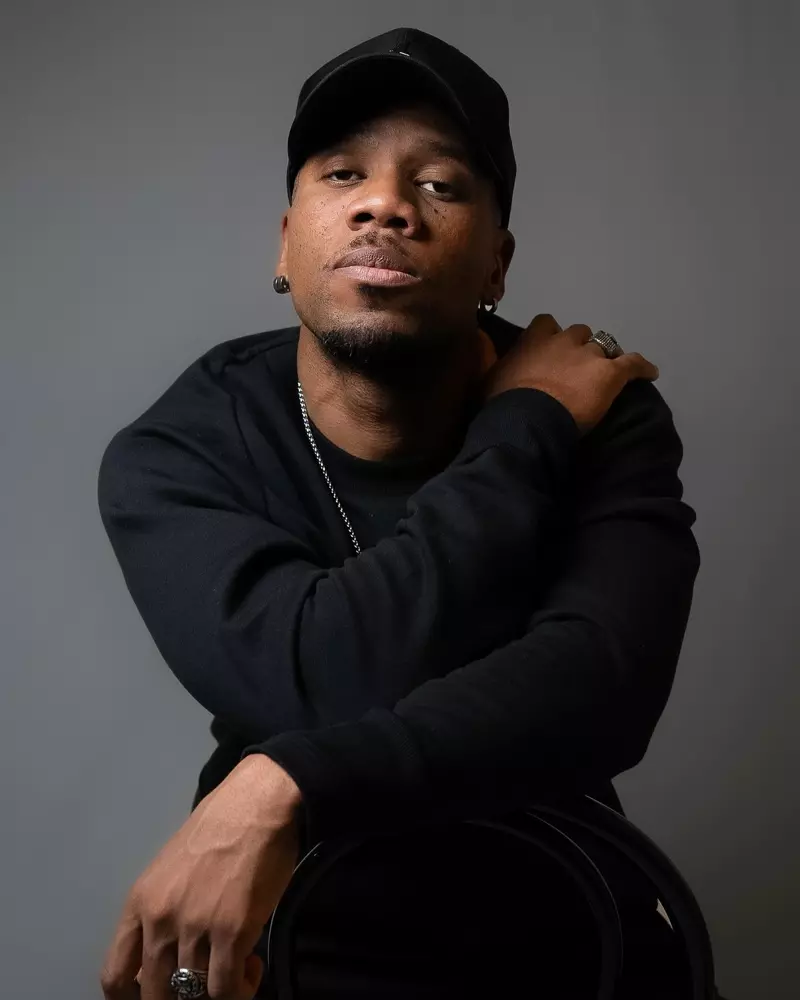
Coming out of “Idols South Africa” in 2005 as runner-up instantly placed Gift Gwe in front of a national audience, but that moment was only the visible part of a much longer build. Long before television, music was already part of his everyday life. Church played a major role, not just as a space to sing, but as a place where discipline, timing, and group harmony were learned early and repeated often.
Growing up between the Eastern Cape and Mossel Bay, his background was modest, and pursuing music meant making practical decisions. Moving to Cape Town to study sound engineering added another layer to his development, giving him technical understanding alongside performance ability. That balance between creativity and structure would later show in how he approached both studio work and live shows.
The turning point came with “Idols South Africa” Season 3, where he advanced to the final and finished second. Week after week, he built a reputation for consistency and control, handling different styles without losing his identity. By the end of the competition, he had become one of the most recognisable artists from that season.
He carried that momentum into his debut album, “Back To You” (2007), released under SBME Africa. The project introduced his R&B and neo-soul direction, with a focus on smooth songwriting and emotional tone. It also earned award nominations, including recognition at the South African Music Awards and Metro FM Awards, confirming that his transition from television to recording artist had traction.
Still, recordings were only part of his story. Live performance became where he fully settled. Working with a full band, often in larger ensemble setups, he built a reputation for stage presence and audience connection. His shows were not rushed sets but extended performances, mixing his own material with reinterpretations that allowed him to stay active even when chart visibility slowed.
Like many artists from the early Idols era, his career moved through phases. After an initial peak, there was a quieter period where he stepped back, reassessed, and focused on rebuilding. That included setting up his own studio space and taking more control over his direction.
Later, he returned with new releases such as “Old School Way,” alongside a shift toward mentorship and development. Rather than focusing only on his own output, he began working with younger artists, helping them understand both performance and the business side of music.