

Influence Profile
No genre data available
Genre information will appear here once available
Trending in Fattú Djakité’s World




Story
Quick Facts
Born
1990
1990
From
Cabo Verde
Cabo Verde
Journey
Operating at the intersection of music, visual art, and social advocacy, Fattú Djakité is a multidisciplinary African artist whose work extends beyond performance into cultural expression and dialogue. Rooted in heritage yet globally aware, her creative journey reflects a deliberate effort to connect identity, history, and contemporary experience through sound and imagery.
Born in Guinea-Bissau and raised in Mindelo, Cabo Verde, migration and a deep connection to African traditions shaped her upbringing. Surrounded by Creole language, storytelling, and traditional music, she built an artistic foundation that continues to inform her work. Her first major recognition came in 2012 as a finalist on Estrela Pop, followed by her debut single "Bendedera di Sol" in 2015.
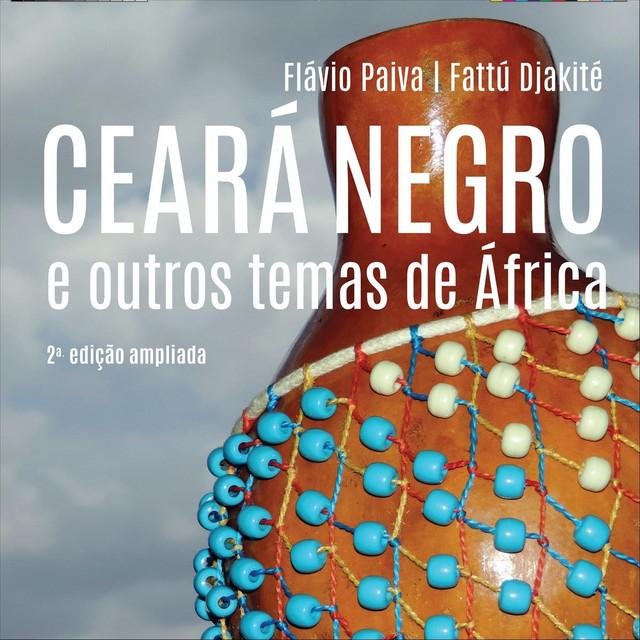
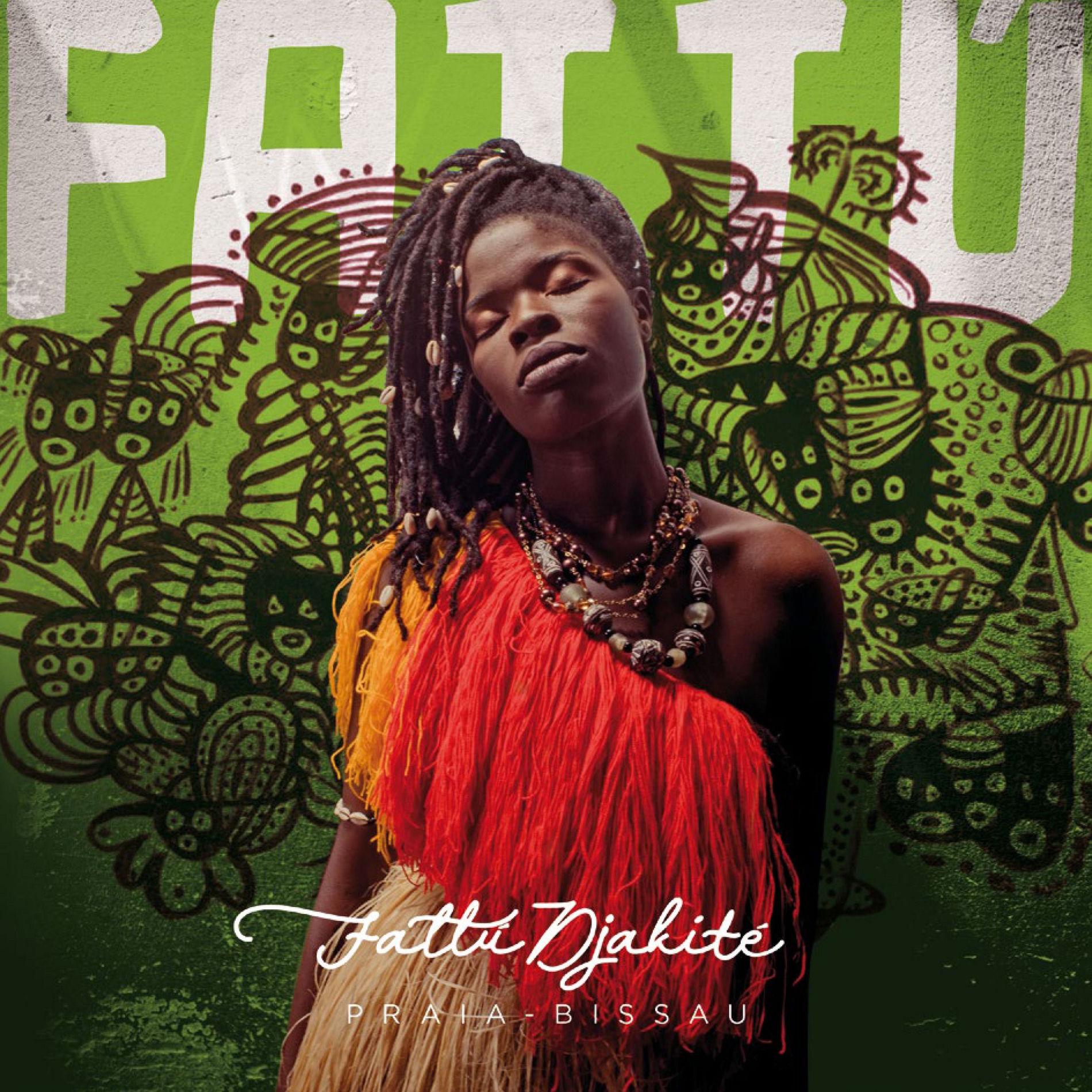
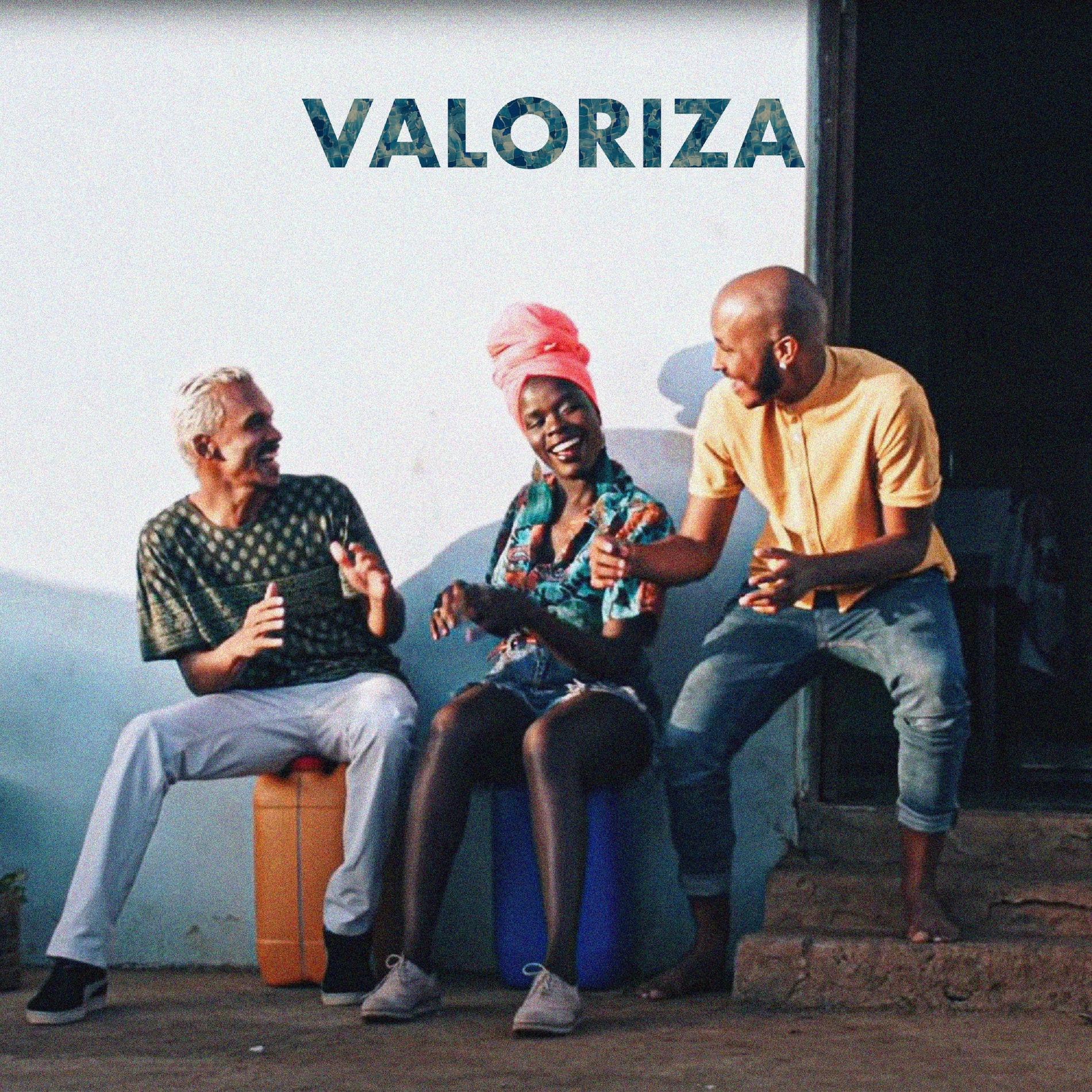
Her artistic direction expanded internationally in 2017 through work in Brazil with Maurício Pacheco. In 2022, she released "Praia-Bissau," a concept-driven album exploring migration, identity, and Afro-Atlantic connections. She sustained this momentum with subsequent releases, including "Kumakê" (2022), later remixed in 2023, "Valoriza" (2023), and "Badja Tina" (2025), before continuing her artistic progression with "Ceará Negro" in 2026.
Working across Afrobeats and Lusophone African styles, she blends Portuguese and Creole with traditional rhythms and modern production. Her collaborations with artists like Emicida, Hélio Batalha, and Perera Elsewhere highlight her cross-cultural reach.
Fattú Djakité has received multiple accolades, including Best Female Performer and Traditional Music of the Year at the Cabo Verde Music Awards (2023), Best Inspirational Woman of the Year at the Zikomo Africa Awards (2025), and inclusion in Bantumen’s Powerlist 100.
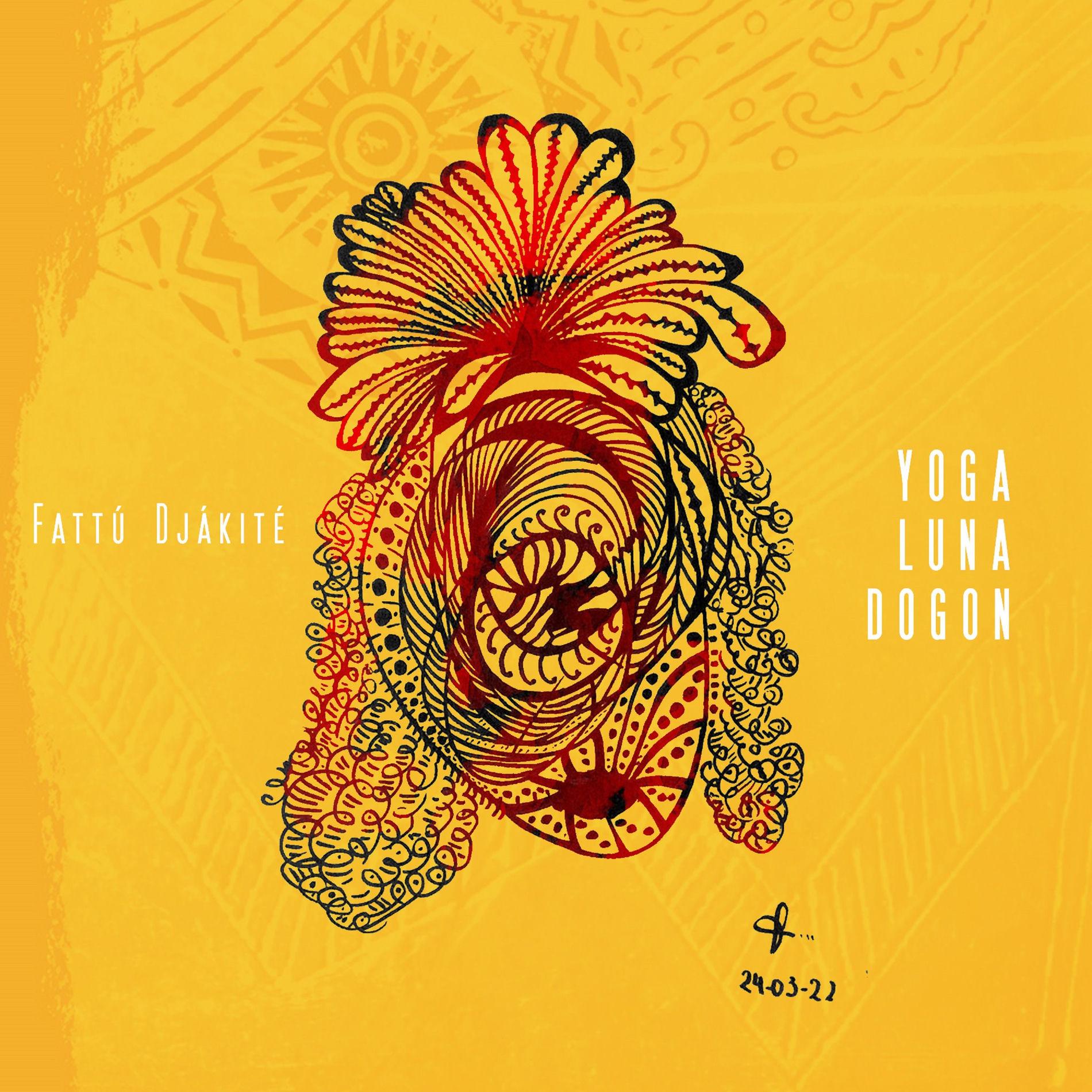
Beyond music, she founded the band AZÁGUA in 2019 and leads advocacy initiatives addressing women’s rights and social issues, including Badjuda Bonita and Privini.Di.Abuso.Sexual. As a visual artist, she creates works inspired by ancestry and identity, reinforcing a unified creative vision.