Influence Profile
No genre data available
Genre information will appear here once available
Trending in Anneli Van Rooyen’s World
No discography available.
Story
Quick Facts
Born
1961
1961
From
South Africa
South Africa
Journey
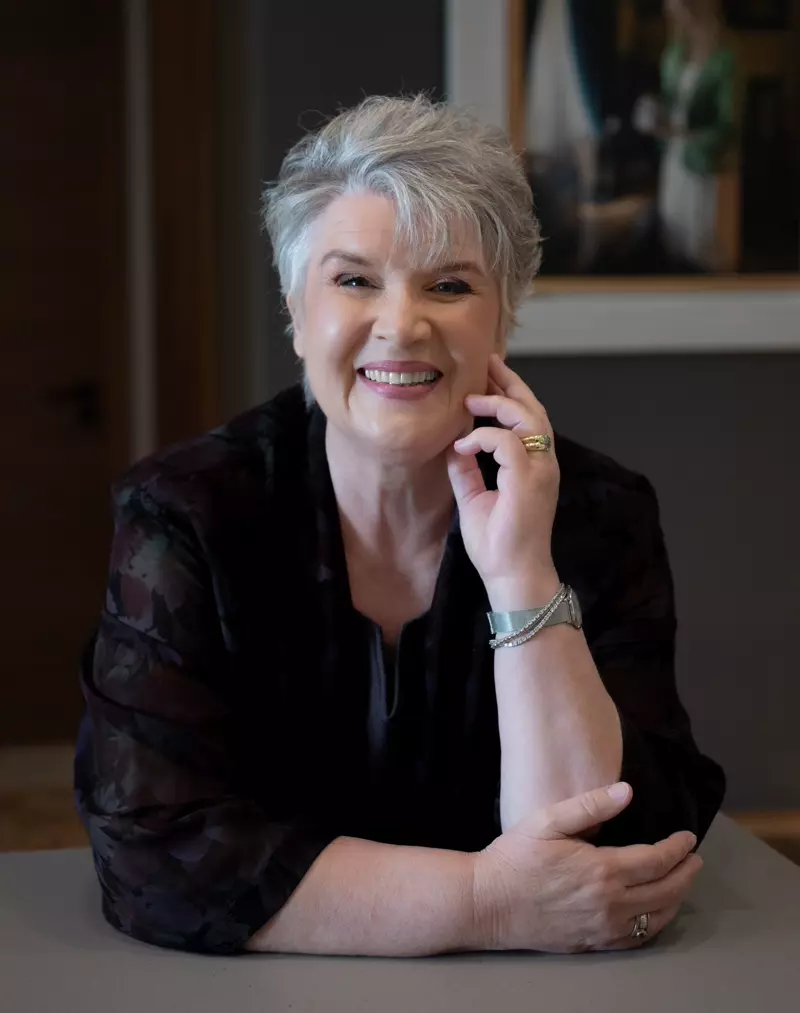
Anneli van Rooyen is a distinguished South African Afrikaans singer whose career has influenced the local music industry for more than forty years. Born in February 1961 in Pretoria, she showed a strong interest in the performing arts from a young age and later studied drama at the University of Pretoria. Her involvement in theatre productions and cabaret performances during her student years laid the foundation for her future music career.
Her professional breakthrough came in 1979 after winning the ATKV Crescendo competition, an achievement that introduced her to a national audience and established her as a prominent Afrikaans recording artist. Throughout the 1980s and 1990s, she became known for emotionally driven ballads and contemporary Afrikaans pop recordings. Songs including “Neem My Op Vlerke,” “Ek Lewe,” “Sewe Sakke Sout,” and “Seemeeu” became widely recognized within Afrikaans music culture.
Van Rooyen released an extensive catalogue of albums during her career. Significant releases include "Neem My Saam" (1980), "Ken Jy My?" (1982), "Kleinverlang" (1983), "Ek Lewe" (1986), "Voel Die Lewe" (1989), "Ek Glo" (1990), "Daar’s Musiek" (1992), "Meer En Meer" (1996), "Halleluja" (2002), "Seënbede" (2003), and "Nogtans Sal Ek Sing" (2015). Her repertoire combines Afrikaans pop, inspirational themes, gospel influences, and narrative songwriting.
In addition to recording music, she contributed to South African television and stage productions by performing and composing theme music. Her collaborations with respected composers such as Christa Steyn strengthened her standing within Afrikaans entertainment circles.
A major turning point in her life occurred when she was diagnosed with atypical trigeminal neuralgia, a chronic neurological pain disorder. Complications following surgery in 2007 affected her ability to perform and temporarily removed her from the public stage. Despite these challenges, she later returned to music with the faith-inspired album "Nogtans Sal Ek Sing," which reflected themes of endurance, spirituality, and recovery.
Her contribution to Afrikaans music was formally acknowledged in 2020 when she was recognized as a living legend by the South African Legends Museum. Her recordings continue to resonate across generations and remain an important part of the Afrikaans musical heritage.